
Analysis
What Georgia Fort’s Media Empire Can Teach Funders
June 3, 2025
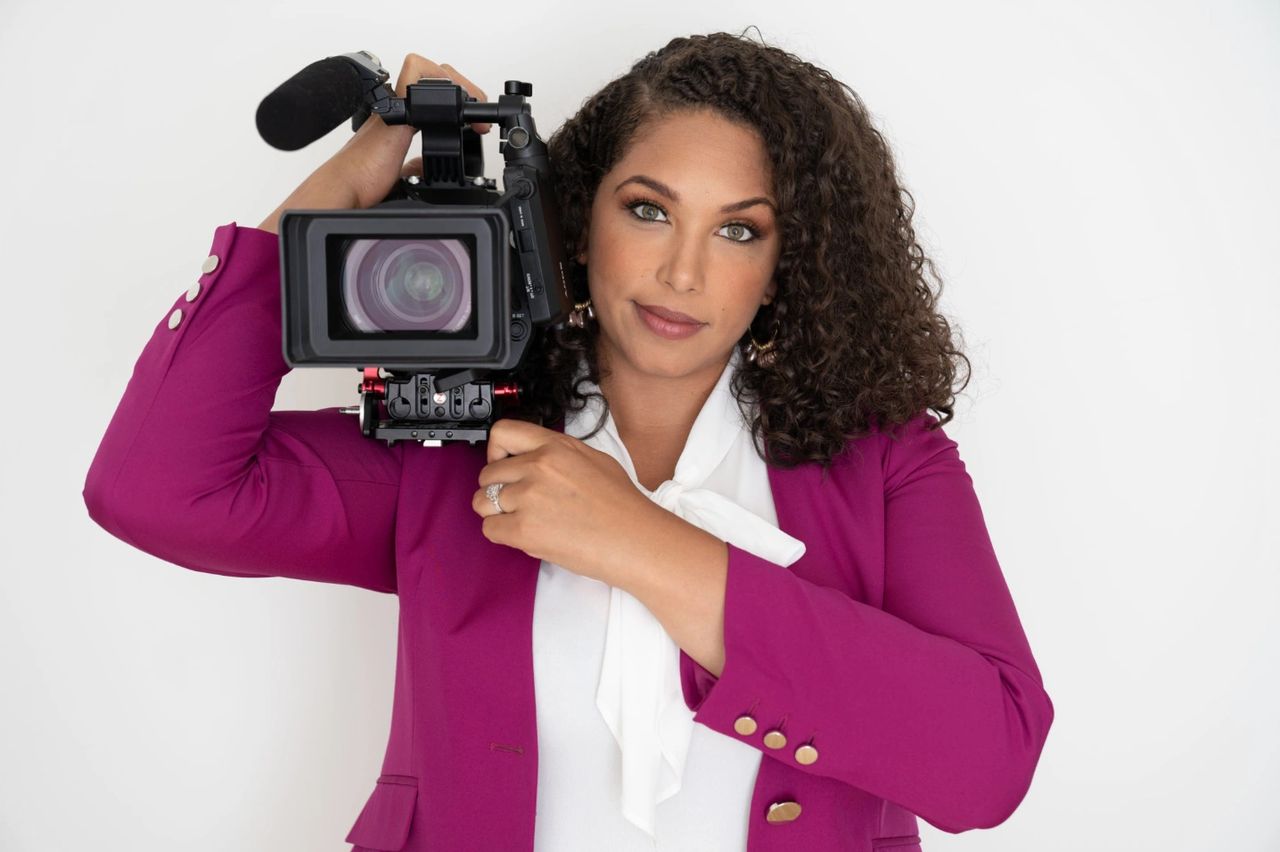
When traditional media denied her maternity leave, Georgia Fort made a bold choice: she left behind more than a decade-long career—two Emmy nominations to her name—and built what many said couldn’t be done. Today, as founder of the digital platform BLCK Press, she leads a trusted, Black-led multimedia powerhouse serving the Twin Cities and beyond.
BLCK Press is more than a newsroom—it’s a national model for how local journalism can thrive when it’s grounded in community trust, ownership, and purpose. For funders looking to back journalism that delivers real impact—especially in underserved communities—Fort’s journey offers a powerful blueprint.
With an award-winning digital outlet, a radio station (Power 104.7 FM), a three-time Regional Emmy-winning TV show (Here’s the Truth), and a nonprofit training hub for the next generation of journalists, Fort has built a media ecosystem. And she’s done it with remarkable strategic vision, fiscal discipline, and deep community accountability.
BLCK Press is exactly the kind of investment philanthropy should be making right now. Here’s why:
1. It’s Built on Community Trust, Not Institutional Legacy
As The Pivot Fund’s recent Minnesota News Landscape Analysis affirmed, trust—not brand legacy—drives engagement. Fort launched BLCK Press in the aftermath of George Floyd’s murder, stepping in when traditional news media failed to capture the grief, resistance, and humanity unfolding on the ground.
Her coverage resonated because it was real. “Community wants to get their news in a way that’s more authentic,” she told The Pivot Fund’s Tracie Powell. “If they can feel the heart in it—and know it hasn’t been watered down—that’s what matters.”
2. It’s Financially Savvy, Diversified, and Resilient
Fort didn’t just build on passion—she built for sustainability. As corporations like Target pulled back from DEI initiatives, costing her organization $250,000 in support, Fort had already diversified her revenue base. Acquiring Power 104.7 FM created new income streams through advertising, community events, and sponsorships.
This is what a return-ready community news model looks like: entrepreneurial, adaptive, and mission-aligned.
3. It’s Growing Talent—and Equity—for the Long Haul
Fort’s nonprofit Center for Broadcast Journalism is training the next generation of media leaders from historically excluded communities. Fort is not just producing coverage—she’s building capacity, institutional memory, and workforce equity. This pipeline answers a question philanthropy often asks: “Where’s the next generation of journalists coming from?”
She’s already building them.
4. It’s Scaled with Intention
BLCK Press didn’t launch with a 50-page strategic plan or a top-heavy leadership team. It grew step-by-step, responsive to community needs, and scaled when the foundation was strong. This is a playbook for funders who want to support sustainable, grassroots growth—not top-down replication of legacy newsrooms.
5. It Redefines Journalism Through a Lens of Ownership and Care
Fort’s model isn’t just journalism—it’s community infrastructure. Her media is created by and for the people it serves, with no need to ask for institutional permission. She’s reclaiming power in a system that has long excluded Black voices. That’s not just equity—it’s strategy.
“We didn’t start this company to make a profit—we started it to make an impact,” Fort said. “And we’re taking up space in a media landscape that tried to minimize us.”
Why Funders Should Pay Attention Now
Georgia Fort’s journey proves that big change doesn’t always start with big money—it starts with a big vision and trusted relationships. But scale is possible. Funders can play a catalytic role by providing transformational support that helps these operations solidify infrastructure, hire talent, and grow their audience and impact.
What does that look like in practice?
- Provide general operating support—not just project grants.
- Invest at a level that lets news founders hire, not just hustle.
- Fund infrastructure: training, tech, talent pipelines, and platform ownership.
- Measure success by trust, relevance, and civic impact—not just audience reach or awards.
Across the country, founders like Fort are building the future of journalism—we just have to recognize their work and commit to funding it.