
News
What Connects a WhatsApp Message, a Church and a Newsroom?
November 12, 2026
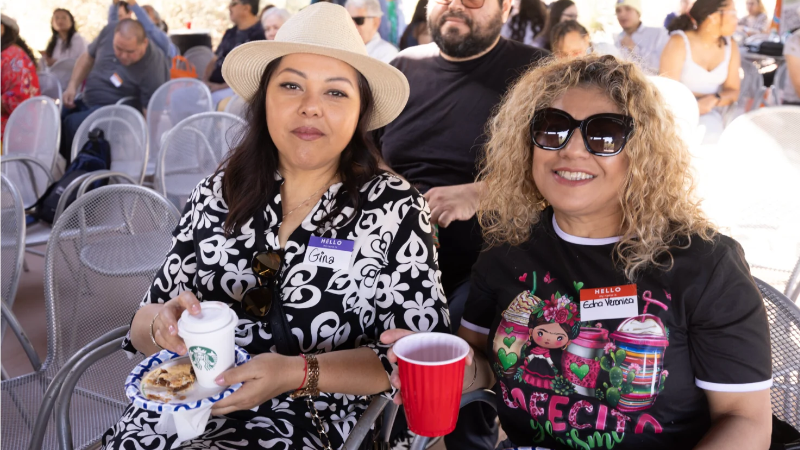
Each can be part of the civic information infrastructure communities rely on—and philanthropy needs to understand.
In Greenville, Mississippi, residents gathered to discuss gun violence, limited youth activities and barriers to economic development. They brought ideas: after-school programs, mental health support, digital skills training and greater accountability from local leaders.
Mississippi Free Press convened that conversation through its Solutions Circles, creating space for residents to identify problems and help define what should happen next.
In Arizona, similar connections happen through a phone screen. Conecta Arizona’s WhatsApp community gives residents a place to ask questions, exchange information and connect with experts.
In Kansas City, The Kansas City Defender builds relationships through churches and other community networks, alongside reporting and programs that connect residents with essential resources.
These publishers help communities move from a question to an answer, from an overlooked problem to public attention, and from concern to participation.
That is civic information infrastructure in action.
Infrastructure Starts With Relationships
When funders hear “infrastructure,” they may picture technology platforms or administrative systems. Those matter. So do the relationships that make information useful: knowing whom residents trust, what questions they are asking and how to reach people who rarely see themselves reflected in traditional news.
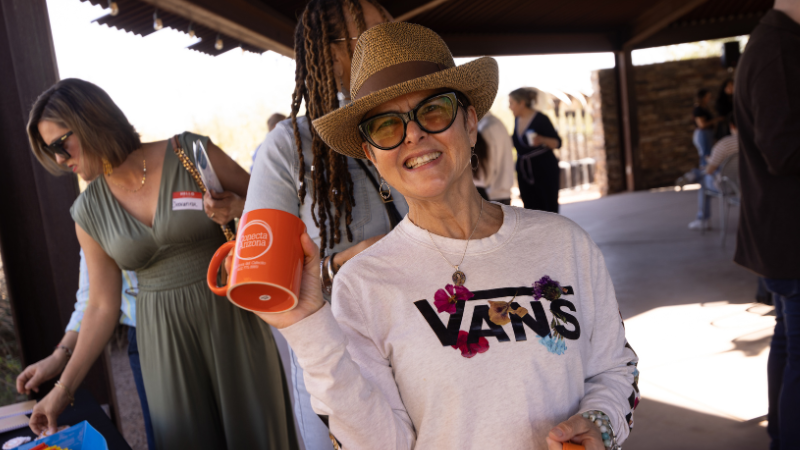
Consider Conecta Arizona. Through its WhatsApp community and La Hora del Cafecito conversations, residents can bring questions directly to the newsroom and guest experts. In-person Cafecitos deepen those connections.
Each exchange helps the newsroom understand what people need. Over time, those conversations build something a one-time listening session cannot: an ongoing relationship in which residents can ask, receive a response and return with the next question.
For philanthropy, that relationship matters. It can reveal barriers that a survey misses and priorities that never reach a grant application.
Listening Needs a Path to Participation
Mississippi Free Press’s Solutions Circles give residents opportunities to compare experiences, identify shared challenges and propose responses.
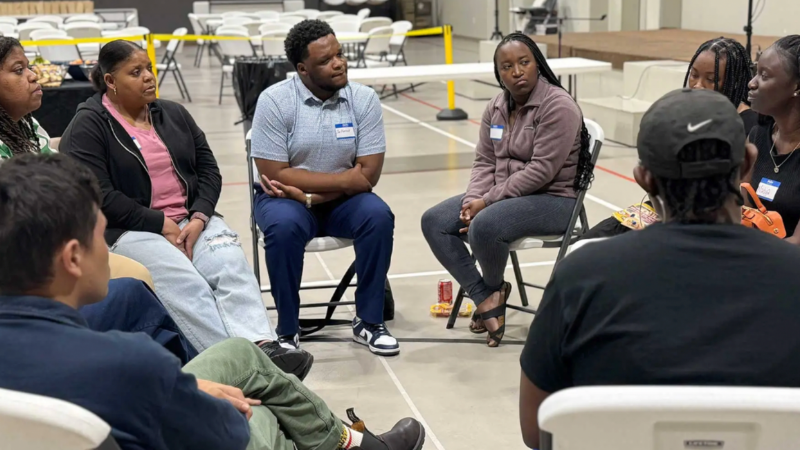
In Jackson, Mississippi’s capital, participants discussed access to healthy food, health care and economic opportunity. In Pascagoula, a city on Mississippi’s Gulf Coast, residents raised concerns about deteriorating infrastructure, crime and limited youth activities.
These conversations do not guarantee that proposed solutions will be adopted. They create a place where residents can help set the agenda—and where journalists, civic leaders and funders can hear ideas grounded in daily experience.
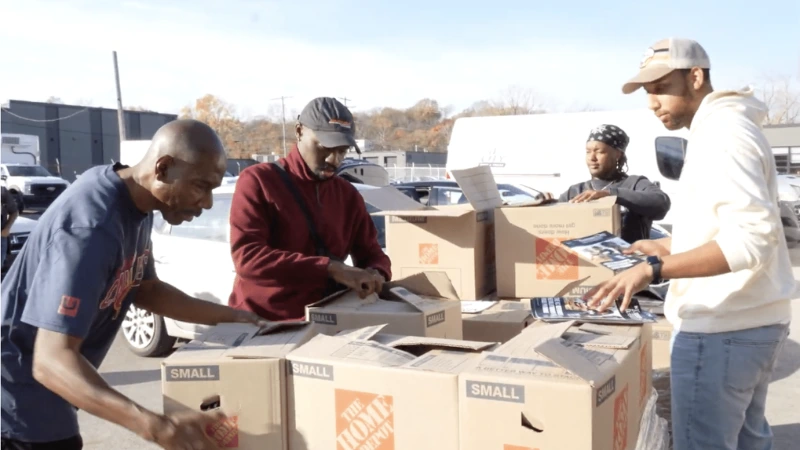
The Kansas City Defender illustrates another part of this infrastructure: community connections that support a response. Its engagement with elders through local churches builds relationships through institutions residents already know. Its 2026 impact tracker reports that its community initiatives have helped feed more than 250 Black families and distribute more than 3,000 clothing and hygiene items.
Together, these examples show why a publisher’s value extends beyond the stories it produces. Its relationships can help residents find information, make their needs visible and connect with opportunities to act.
What Keeps Those Connections Working?
Someone must answer the WhatsApp questions. Someone must organize the gathering, follow up with residents and report on whether institutions respond.
Behind that work are salaries, financial systems, audience tools, revenue development, leadership and safety support. Without them, even a deeply trusted publisher can struggle to remain available to its community.
The Pivot Fund brings these needs into a coordinated strategy. We pair funding with support that helps community publishers strengthen operations, grow audiences and revenue, develop leaders and navigate threats. Building shared access to expertise, technology and protection can put resources within reach that small organizations could struggle to afford individually.
These investments help keep trusted information flowing. When publishers have reliable support—and opportunities to learn from one another—they are better equipped to respond to residents, sustain their work and strengthen the wider community information network.
That is why The Pivot Fund describes its purpose as building civic information infrastructure. We fund individual newsrooms as part of strengthening the larger system residents depend on.
For funders investing in health, housing, economic opportunity, or civic participation, this is consequential. Residents need ways to understand available resources, question public decisions and bring their experiences into the institutions meant to serve them.
The funding question becomes: What will keep these trusted connections working—and who will remain disconnected unless we invest?