
Analysis
How We Analyzed Minnesota’s Local News Landscape
March 28, 2025
Minnesota is changing. And so must the way we deliver news and information. While the state’s population has grown more diverse over the decades, traditional media hasn’t kept up.
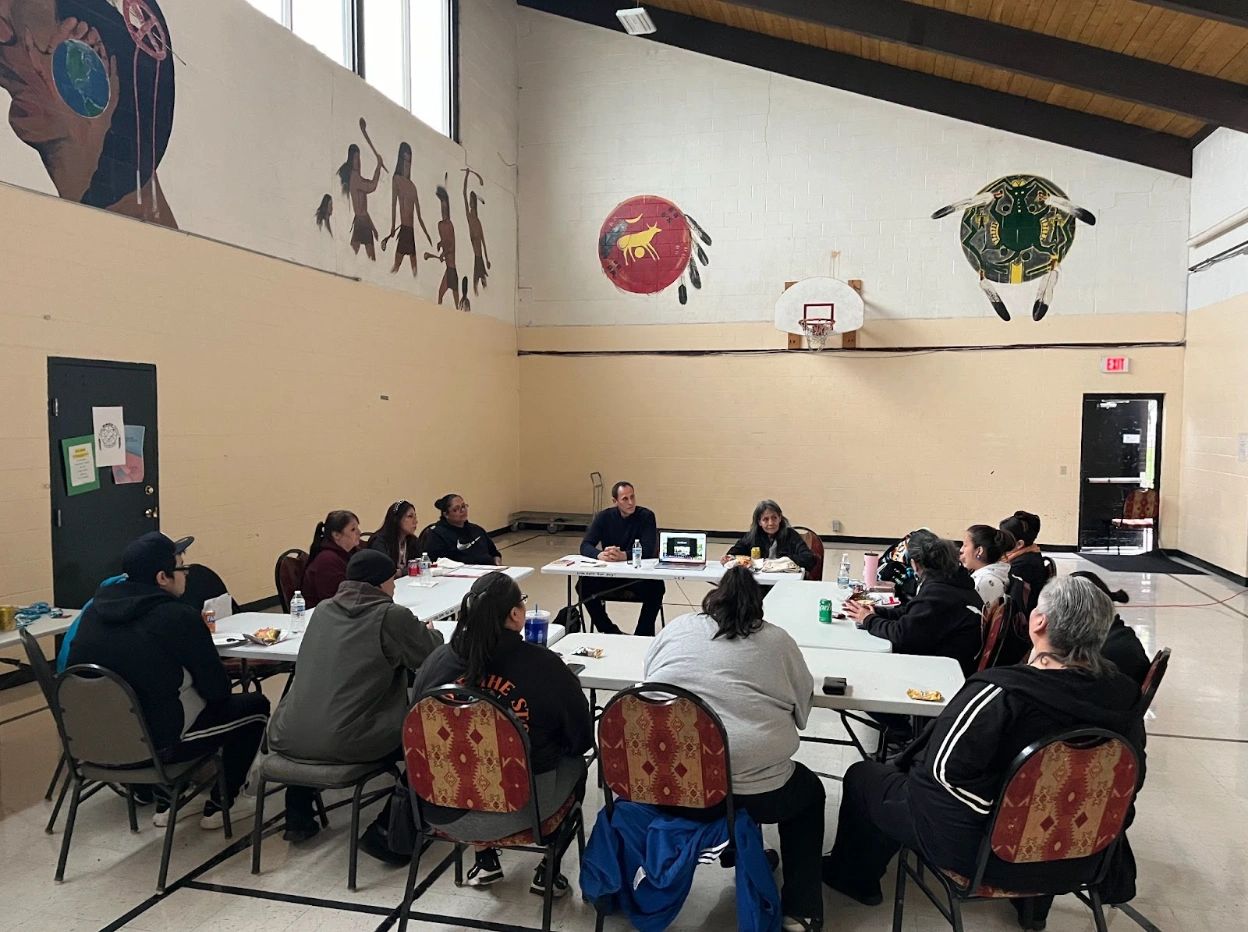
In The Pivot Fund’s assessment of Minnesota’s local news landscape, which included listening sessions and focus groups with over 600 Minnesotans from diverse racial and ethnic backgrounds, we repeatedly heard frustration and distrust toward traditional media from Indigenous, Latino, Black, Asian, and African immigrant communities across the state.
Communities of color, immigrants, rural residents, and younger Minnesotans often don’t see themselves, their stories, or their needs reflected in traditional news coverage.
People told us:
“They only come to our community when something bad happens.”
“No one is doing true journalism anymore.”
“I search multiple sources and decide for myself.”
People don’t want crime reports or clickbait. They want trusted, practical information that makes their lives better. Or at least helps them better understand what’s happening around them.
Communities want control over their own narratives. They want to own and tell their stories.
Communities have specific needs, and some people have found ways to meet them.
Indigenous communities rely on word-of-mouth and Facebook groups like Little Earth Residents 411 because legacy outlets are seen as extractive and harmful.
Latino communities want practical information in Spanish to help with daily life, such as healthcare, local events, or savings tips, and nontraditional media like Conversaciones de Salud, a bilingual digital and print magazine, is providing it.
Minnesota’s Black community needs news to have connections to Black culture, which BLCK Press delivers with local, culturally competent news and information that reflects their lives.
Asian communities are multilingual and rely on outlets like 3HmongTV to provide information they value about local services, events, and businesses.
African immigrants turn to culturally aligned outlets like Somali TV or Oromo Diaspora Media, which serve their needs far better than mainstream news.
Rural communities have sparse coverage, but community media outlets like Project Optimist are serving greater Minnesota with solutions journalism.
We found more than a dozen of these entrepreneurs and innovative local journalism leaders in our Minnesota community news landscape research. They are stepping up where traditional media falls short. Community journalism organizations are proving that community-centered journalism works when it’s by the people, for the people, and with the people.
However, most of these community media entrepreneurs operate with little funding and support. They’re filling vital gaps, but they can’t do it alone. They need support for long-term sustainability.
To meet Minnesota’s needs, we need to strengthen community journalism. That requires:
- Philanthropic support: Fund community-driven media outlets with multiyear grants, wraparound services, and infrastructure to build sustainability.
- Collaboration: Connect traditional newsrooms with nontraditional outlets and grassroots organizations to amplify trusted voices and increase opportunities.
- Training programs: Create community journalism pathways for youth, immigrants, and underrepresented communities.
- Community hubs: Build and further develop existing local spaces — like trade schools or media centers — where news can be produced, shared, and accessed.
By supporting these solutions, we’re not just strengthening journalism. We’re strengthening Minnesota’s communities, civic engagement, and democracy.
The challenges are significant, but the opportunity is even greater. When we listen to communities, fund solutions, and empower community media leaders, we can build a local news ecosystem that reflects Minnesota’s diversity and makes life better for all of us.
This is not just about saving journalism. It’s about rebuilding trust and ensuring that every Minnesotan has the news and information they need to thrive.
The old model of news no longer works for everyone. Diverse communities and nontraditional community media entrepreneurs in Minnesota have told us what they need.
Now we need to listen.
Written by Eric Ortiz, The Pivot Fund’s associate director of research, learning and evaluation