
News
Listening Is Part of the Work: 5 Lessons in Community Listening From Pivot Grantees
October 14, 2026
Community publishers know their audiences are more than readers, listeners or viewers. They’re neighbors with questions, experiences and perspectives that can shape how their communities are covered.
But meaningful community listening requires more than asking people what stories they want to see. It means building relationships, creating opportunities for ongoing conversations and making space for community members to help shape the information they receive.
Across The Pivot Fund’s portfolio, publishers are finding different ways to put that approach into practice. From informal text conversations to community gatherings focused on solutions, their work offers valuable lessons for newsrooms looking to deepen relationships with the people they serve.
1. Make Listening an Ongoing Conversation
For Conecta Arizona, community engagement isn’t limited to occasional surveys or listening sessions. It’s built into how the newsroom connects with its audience.
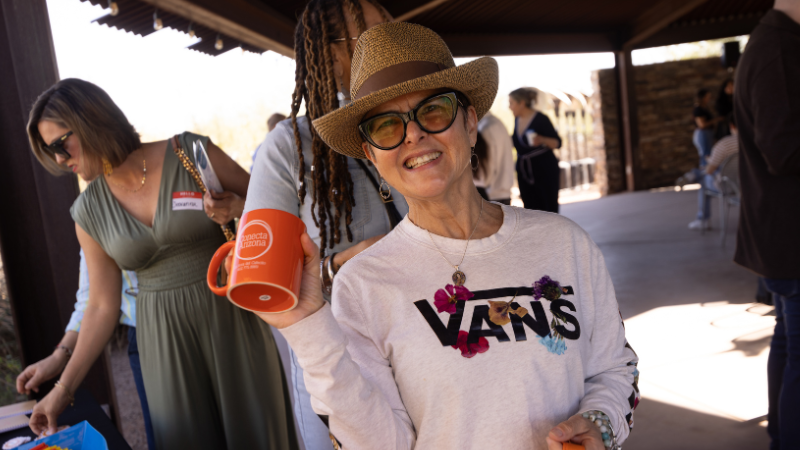
Through its bilingual WhatsApp community, Conecta Arizona creates a space for people to exchange information and stay connected. Once a week, its La Hora del Cafecito brings in a guest expert who answers questions directly from community members. The newsroom has also hosted in-person Cafecitos, extending those conversations beyond digital spaces.
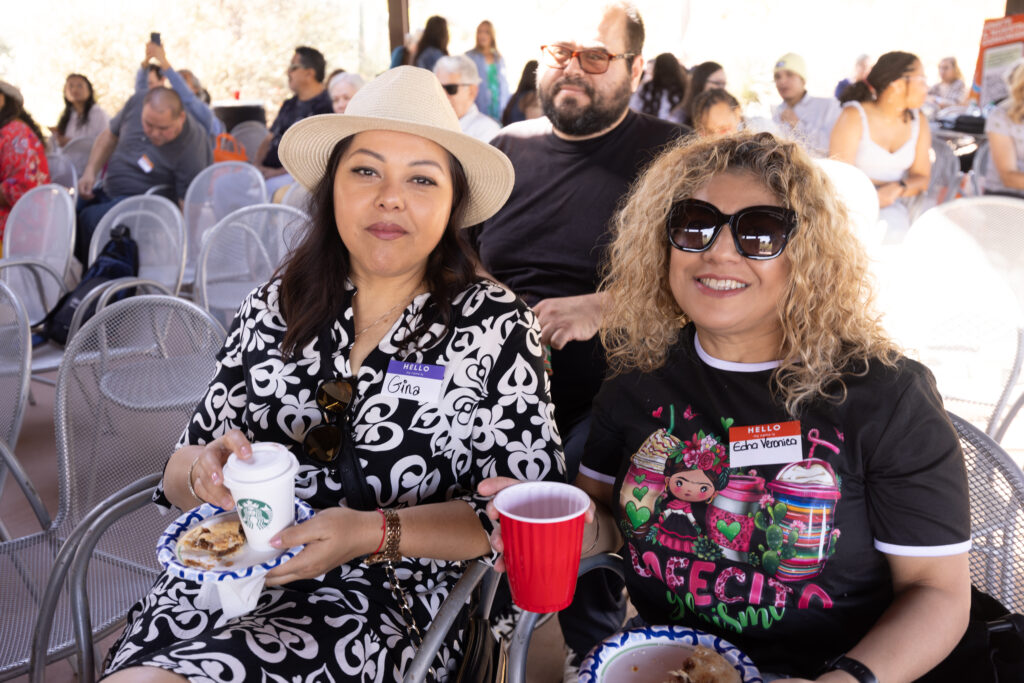
The lesson: Community listening doesn’t have to be a formal event. Creating consistent opportunities for dialogue can make engagement a natural part of how audiences interact with your newsroom.
2. Let Communities Help Define the Solutions
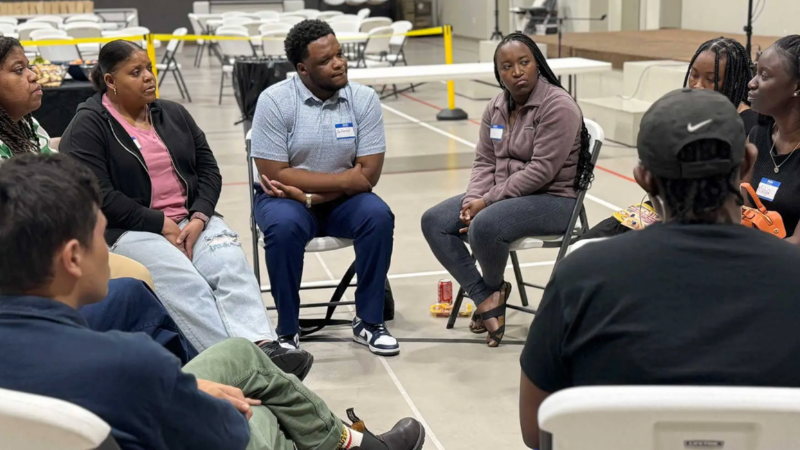
Mississippi Free Press takes a solutions-oriented approach to community engagement through its Solutions Circles, which bring residents together to discuss local challenges and explore possible responses.
During a Solutions Circle in Greenwood, Mississippi, more than a dozen community members discussed gun violence, institutional trust, family support and potential solutions.
Rather than limiting the conversation to what was going wrong, the gathering created space for residents to share their perspectives on what could make their community stronger.
The lesson: Don’t stop at asking people about the problems they face. Invite them to identify possible solutions, share existing community efforts and help uncover stories that might otherwise go untold.
3. Build Relationships Through Existing Community Connections
Community publishers don’t always have to create new spaces to reach people. Sometimes, the strongest connections begin with organizations and institutions that residents already trust.
The Kansas City Defender has engaged community elders through local churches, recognizing the role faith institutions play in connecting people and sharing information.
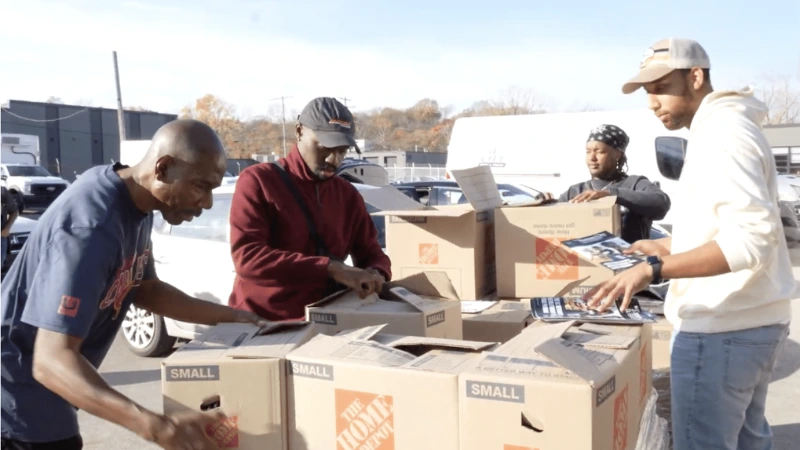
These relationships offer opportunities to hear from community members whose perspectives might not emerge through traditional newsroom outreach.
The lesson: Think about where relationships already exist in your community. Local organizations, neighborhood groups and cultural institutions can help publishers develop meaningful connections with people they may not otherwise reach.
4. Make Participation Accessible
Community listening works best when people can participate in ways that fit their lives.
Conecta Arizona’s combination of WhatsApp conversations and in-person Cafecitos demonstrates how publishers can create different entry points for engagement. People can participate digitally or connect face-to-face.
For publishers with limited resources, the goal isn’t necessarily to launch multiple new programs. It’s to consider which formats make participation easiest for the communities they serve.
The lesson: Pay attention to how your audience already communicates and gathers. Build opportunities for listening around those habits rather than expecting everyone to engage on the newsroom’s terms.
5. Make Listening Matter Beyond the Conversation
Gathering community feedback is only one part of the process. The greater opportunity is using what publishers learn to inform their journalism.
The conversations happening through Mississippi Free Press’s Solutions Circles and Conecta Arizona’s Cafecitos offer opportunities to identify information needs, understand community concerns and explore questions worth investigating.
Publishers can build on these conversations by sharing what they’ve learned, following up on unanswered questions and showing audiences how their input informs future work.
The lesson: Listening should lead somewhere. Make a plan for how your newsroom will document feedback, identify recurring themes and communicate what happens next.
Listening Builds More Than Stories
Community listening isn’t a separate initiative that publishers have to squeeze into an already demanding workload. At its best, it’s part of how journalism gets done.
The approaches used by Pivot grantees demonstrate that there isn’t one formula for meaningful engagement. What matters is creating opportunities for people to be heard, building relationships that extend beyond individual stories and making community perspectives part of the reporting process.
For publishers looking to strengthen their own listening practices, the starting point can be simple: Where are people already having conversations about your community, and how can your newsroom become part of them?