
Analysis
How Indigenous Minnesotans Are Reclaiming the News
June 11, 2025
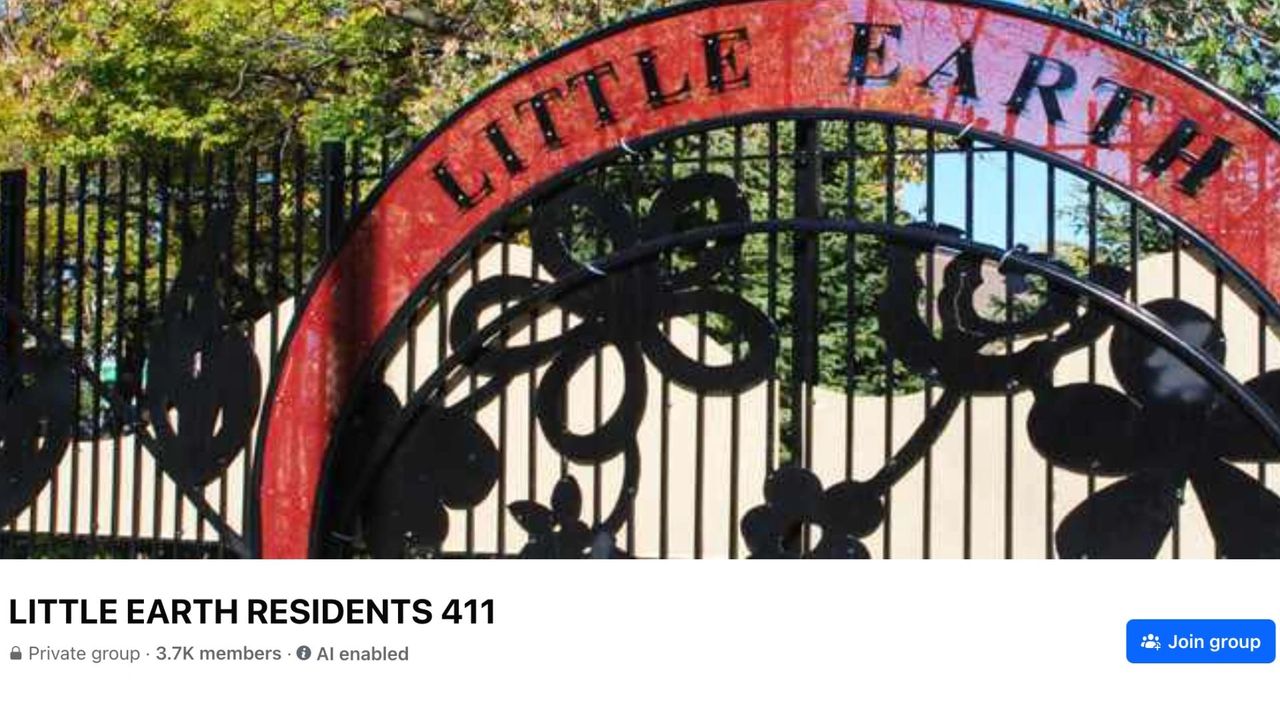
In Little Earth—a close-knit, multi-tribal community in Minneapolis—the majority of the community doesn’t consume news broadcast on television or printed in the paper. Instead, they turn to Facebook.
Here, people scroll through updates about upcoming full moon and cedar ceremonies, announcements from the Red Bears sports teams, and graduation shout-outs for the neighborhood’s young people. Flyers for community gatherings sit alongside calls for volunteers and cultural reminders. If you want to know what’s happening, you join Little Earth Residents 411—a private Facebook group with over 3,700 members sharing up to 30 posts a day.
This isn’t just a digital bulletin board. It’s a grassroots information system, woven with the values, rhythms, and relationships of the people it serves. It’s part of a larger movement—one where Indigenous Minnesotans are reclaiming the way news is created, shared, and trusted.
Why Traditional Media Doesn’t Work for Everyone
This shift isn’t just about convenience. It’s about necessity and trust.
The Pivot Fund’s Minnesota News Landscape Analysis revealed that across the state, particularly in urban centers like Minneapolis and St. Paul, traditional news is often seen as extractive at best and harmful at worst. This experience is similar in Indigenous communities. For many Indigenous residents, mainstream outlets show up only during conflict, crisis, or crime. Stories of strength, culture, and everyday life are too often ignored.
“If they can’t come for the good stuff, they don’t need to come for the bad,” one Little Earth resident said.
That sentiment was echoed across the state. Participants described legacy media as trauma-inducing and out of touch with community values. People felt invisible, and when they were visible, they didn’t recognize themselves in the story.
News as Cultural Care
In response, communities like Little Earth have built their own media ecosystems.
The Little Earth Protectors page, launched during the 2020 unrest following the murder of George Floyd, shares alerts about safety, crime, and Missing and Murdered Indigenous Women, Men, and Children. Meanwhile, Residents 411, co-managed by Jolene Jones and Cassie Holmes, shares cultural knowledge, community events, service referrals, and wins—big and small.
It’s about much more than information. It’s about affirmation.
“We have one of the lowest graduation rates by population,” said Jones. “But our children need to be celebrated, so we most definitely celebrate our wins.”
Honoring milestones, circulating care, and reinforcing visibility matters. “People will tell you congrats when they see you, like, ‘Hey, I saw you graduated!’—it builds spirit,” Jones added.
And it works. More neighbors are showing up, staying informed, and getting involved. “We’ll go live at a youth event or the farmers market, and folks will say, ‘I didn’t even know this was happening until I saw the livestream,’” Jones said.
What the Data Tells Us
The Minnesota News Landscape Analysis confirmed what communities like Little Earth have long known: social media is the primary source of local news for many Minnesotans—especially Black, Indigenous, and immigrant residents.
Seventy-seven percent of participants said they had turned to social platforms for local news in the last 30 days—not newspapers or TV. And despite the narrative that marginalized communities are disengaged, we found just the opposite. People are consuming news daily. They’re just not consuming it from legacy institutions. They’re getting it from each other.
That’s not a trend. That’s a wake-up call.
Glimmers of Change in Traditional Media
Some traditional outlets are trying to do better.
In 2023, Minnesota Public Radio launched its Native News Initiative—a project led by Indigenous journalists to shift the focus from reporting on Native people to reporting for Native communities. “We are present in the community, taking part in events and meeting with citizens who share thoughts and ideas on what stories to cover,” said Leah Lemm (Mille Lacs Band of Ojibwe), senior editor of the Native News team.
But even with strong partnerships—like one with ICT (formerly Indian Country Today)—challenges remain. Building trust takes time. And newsroom culture doesn’t shift overnight, especially in institutions that have long prioritized White audiences.
Meanwhile, The Circle—a nonprofit newspaper in Minneapolis—has been doing this work for decades. Founded in 1980, it’s one of the few non-tribally owned Indigenous newspapers in the country.
“The Circle is the bomb,” Jones said. “I don’t feel like anybody can meet all our needs because we’re too big of a community and too diverse of a community. But I think overall, The Circle does meet the community needs.”
Reclaiming Journalism—One Post at a Time
Ultimatley, the most trusted and effective news in Little Earth doesn’t come from big institutions. It comes from within.
It comes from volunteers like Jolene and Cassie, who pour 30 to 40 hours a month into keeping their community informed. It comes from youth teaching elders how to navigate livestreams. From neighbors sharing weather warnings and powwow dates. From relatives lifting up their own.
“People took to it immediately,” said Jones. “They wanted to be part of something they could learn from and contribute to.”
That’s not just community engagement. That’s journalism—on its own terms, by its own people. And it’s thriving.