
News
Rebuilding Local News: Insights from Community Media Leaders
April 30, 2025
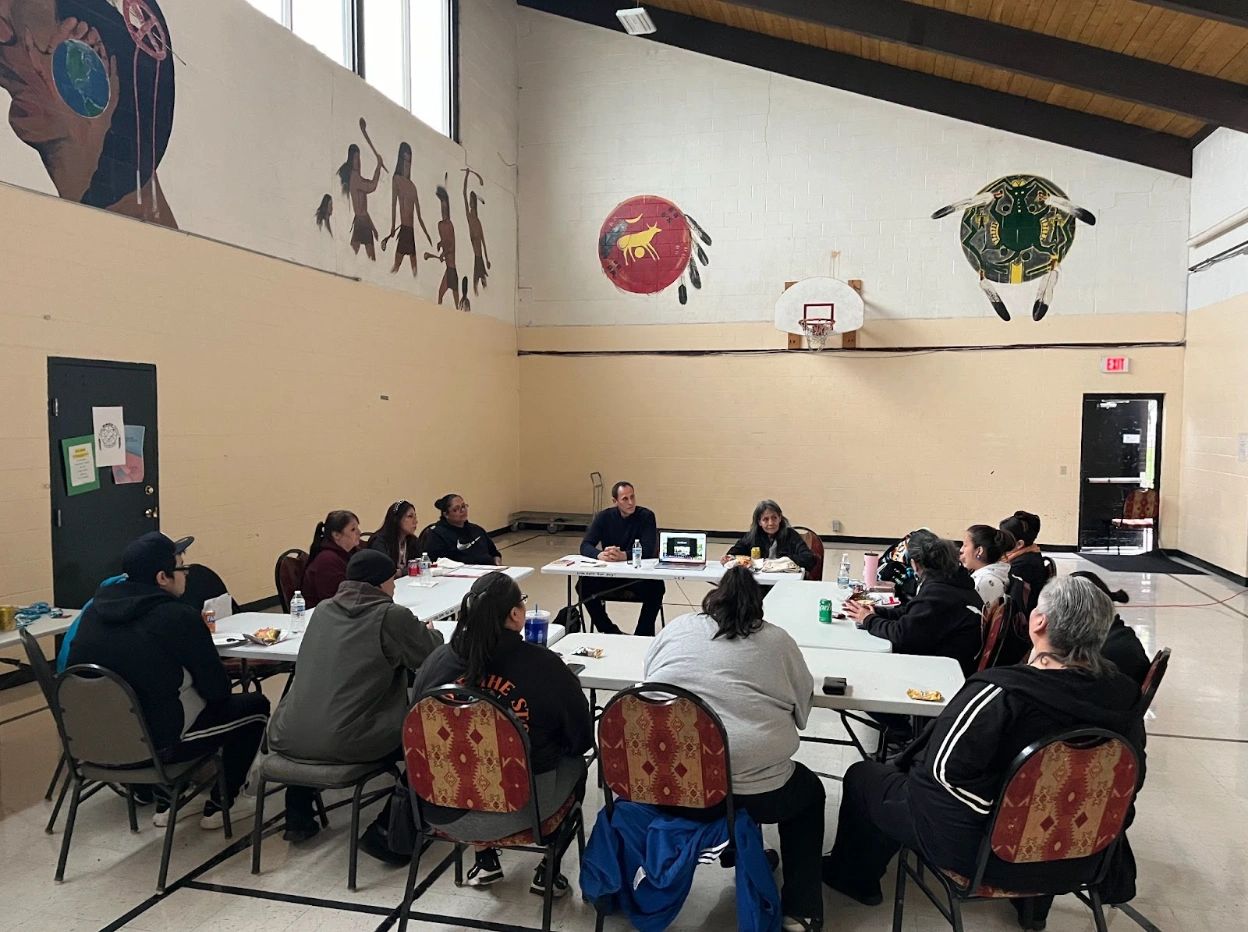
At a recent webinar, media entrepreneurs Carmen Robles and Jolene Jones made one thing clear: community-rooted journalism is not just surviving in Minnesota — it’s reshaping how news is made and trusted.
The conversation, moderated by The Pivot Fund and grounded in new research commissioned by the McKnight Foundation, explored how hundreds of Minnesotans view and access news today. The research showed that many Black, Indigenous, immigrant, and rural communities distrust legacy media, citing biased and incomplete coverage. Increasingly, they’re turning to local news creators who reflect their lives and priorities.
“We’re in a moment, for myriad reasons, in which more connection across the layers of the ecosystem is going to be necessary,” said Tim Murphy, program officer at the McKnight Foundation, which commissioned Pivot’s Minnesota landscape analysis. “That’s a huge role that McKnight and philanthropy in Minnesota need to play — seeding and resourcing those connections to amplify trusted voices in these communities.”
Robles and Jones embody that trust. Robles leads Conversaciones de Salud, a bilingual, youth-led newsroom focused on public health and civic information. Jones runs Little Earth Residents 411, a Facebook group serving the Little Earth multi-tribal community in Minneapolis.
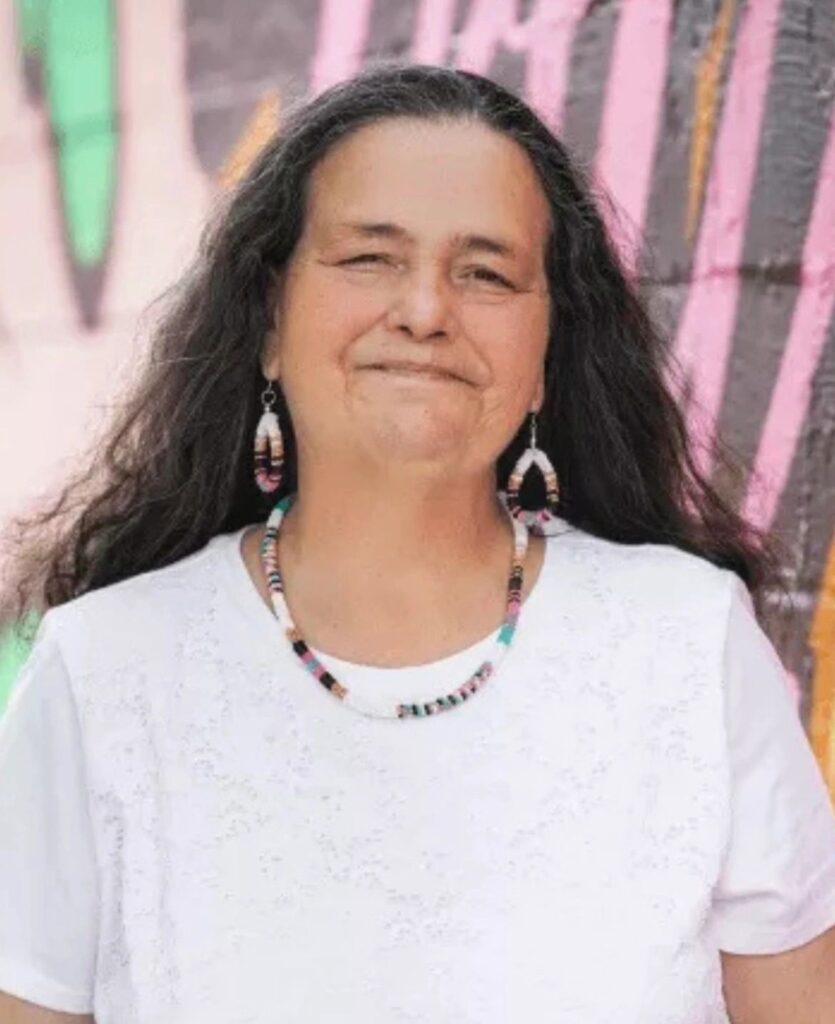
“The news is really failing — it misses just about everything for us,” Jones said, recalling that the 411 began 11 years ago when the community was facing the opioid crisis and urgently needed information like how to use Narcan. Today, the group continues to share vital information about issues such as Missing and Murdered Indigenous Women, Men, and Children, while also celebrating the good in their community.
“We’re trying to build relationships and community, but we’re also trying to meet our issues head-on,” Jones added. “Our main thing is to educate our community and to make sure the good things are heard too… The 411 has really improved how the broader community views us.”
Robles echoed the need for pride and informed decision-making: “We share good news and necessary information so our community sees itself, strengthens itself, and knows what’s happening.”
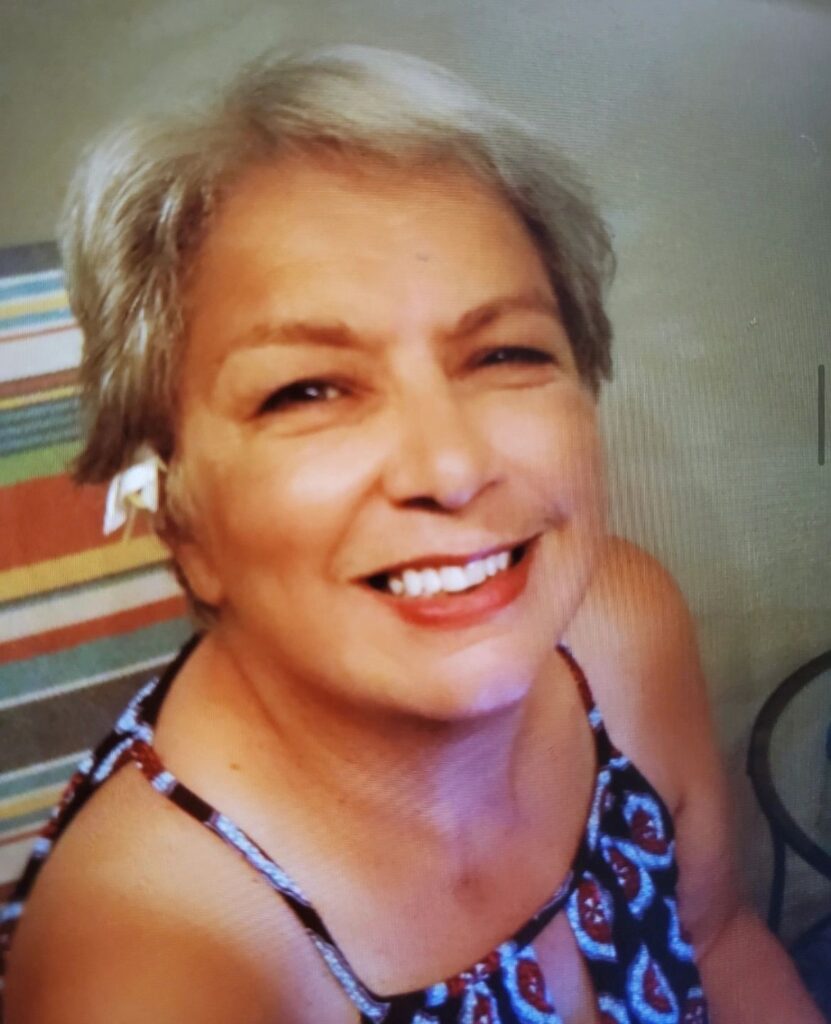
Both stressed that traditional media must meet communities where they are — not force platforms or formats that don’t fit.
“It’s a matter of thinking about your audience and going to where your audience is,” said Jean Marie Brown, Pivot’s director of research, learning, and evaluation. “Our duty is to make sure that we’re putting out accurate, contextual, nuanced information that the audience can use to make well-informed decisions.”
Yet sustainability remains a major challenge. To run their platforms, Jones juggles a full-time job and Robles relies on programming with youth — a reality shared by many grassroots media entrepreneurs across Minnesota. As Pivot’s Eric Ortiz emphasized, real support requires seed funding, multi-year grants, partnerships with traditional outlets, and the creation of community journalism hubs that nurture and sustain this vital work.
The webinar underscored a core truth: the future of journalism is already being built — by community leaders who are reimagining news to be more trusted, inclusive, and connected than ever before. Supporting them isn’t charity — it’s an investment in the news we all need.
“We’ve been investing in and thinking deeply about civic engagement, about the state of democracy and what the future is for all of us,” said McKnight’s Tim Murphy… “In this dynamic time we hope to continue engaging with folks who have been doing incredible work in communities across the state for a long time.”