
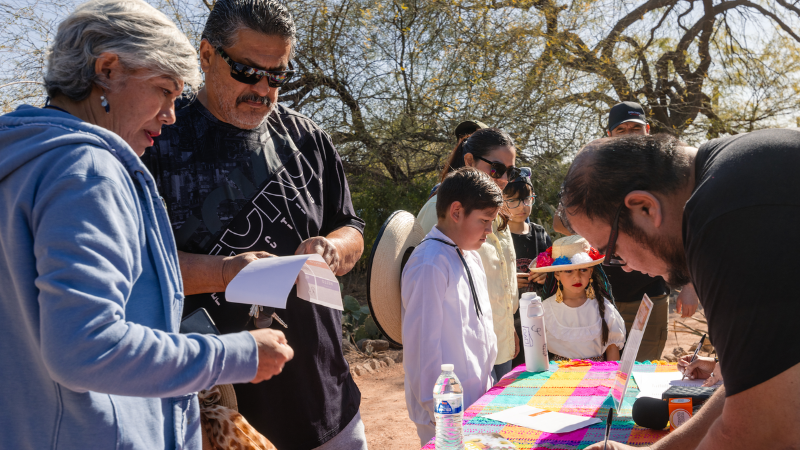
Community trust doesn’t happen by accident — it requires sustained investment. With support from The Pivot Fund, Conecta Arizona transformed from a newsroom operating in crisis mode into a stronger, more sustainable institution. The organization expanded coverage into Southern Arizona, strengthened its leadership team and grew a community network of more than 80,000 people throughContinue reading “From Crisis Response to Community Infrastructure: Conecta Arizona’s Impact Story”
Author Archives: Haeven Gibbons
Capacity Creates Opportunity: Radio Campesina’s Growth Story

As part of The Pivot Fund’s Impact Series, we’re highlighting how investments in trusted, community-rooted publishers builds stronger organizations, healthier local information ecosystems and more resilient communities. First up is Radio Campesina, whose story shows what becomes possible when trusted newsrooms have the capacity to grow. The Pivot Fund’s $150,000 investment helped Radio Campesina hasContinue reading “Capacity Creates Opportunity: Radio Campesina’s Growth Story”
How to Tell Immigration Stories That Inform, Empower and Mobilize Communities

Immigration enforcement is one of the biggest stories facing many communities today. But community publishers aren’t just documenting arrests and detentions — their reporting informs civic participation and helps communities respond in real time to critical decisions shaping their future. Over the past several months, Pivot Fund grantees have demonstrated what that looks like inContinue reading “How to Tell Immigration Stories That Inform, Empower and Mobilize Communities”
Webinar Takeaways: Fostering Context, Community and Connection in the Age of AI
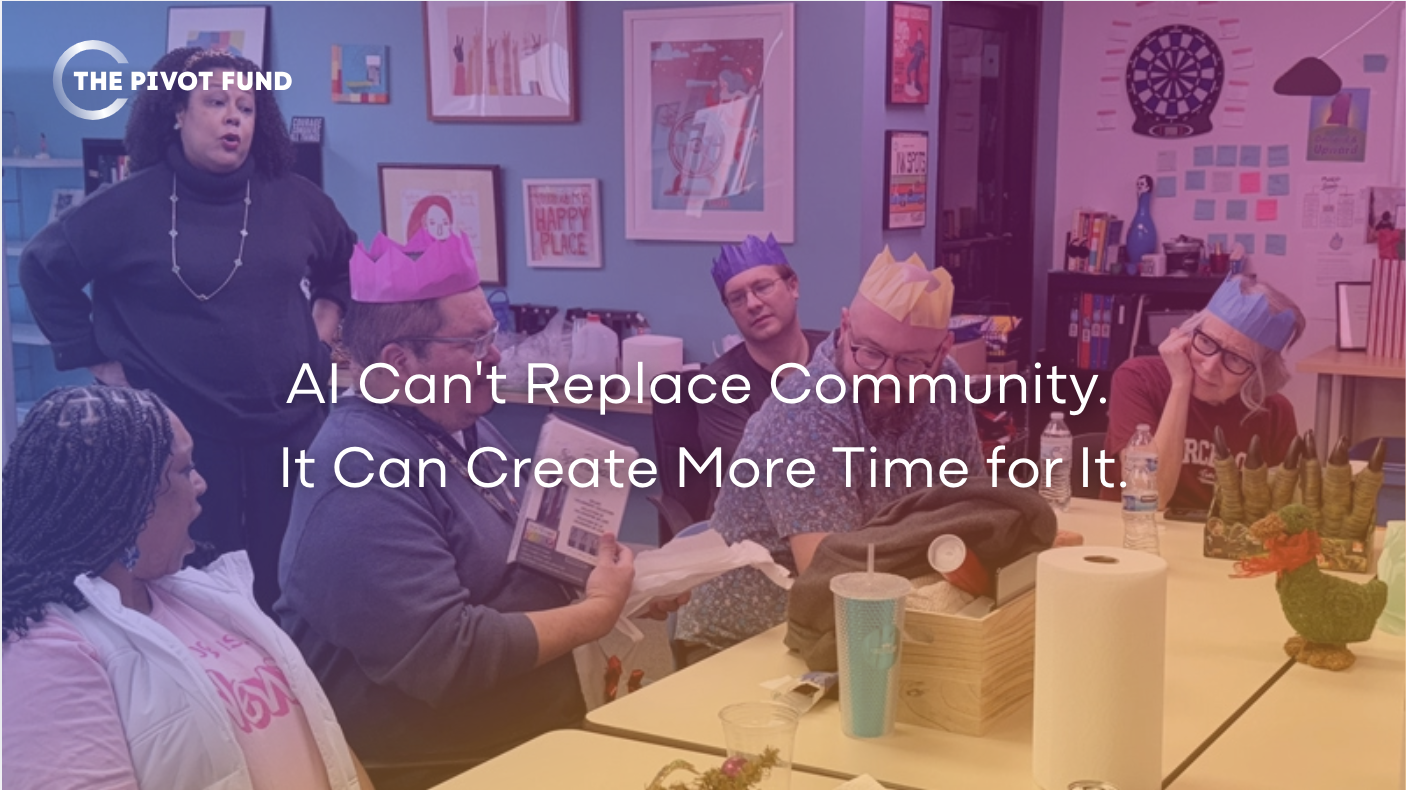
Artificial intelligence is changing journalism faster than many publishers expected. For community publishers, that reality brings understandable questions. Should we use AI? How much? Will audiences trust us? How do we protect our credibility while still taking advantage of tools that can save time? Those questions were at the center of a recent Pivot FundContinue reading “Webinar Takeaways: Fostering Context, Community and Connection in the Age of AI”
AI Can’t Replace Community. It Can Create More Time for It.

Artificial intelligence is changing journalism faster than many publishers expected. For community publishers, that reality brings understandable questions. Should we use AI? How much? Will audiences trust us? How do we protect our credibility while still taking advantage of tools that can save time? Those questions were at the center of a recent Pivot FundContinue reading “AI Can’t Replace Community. It Can Create More Time for It.”
What Pivot’s Research Reveals About Serving Multilingual Communities — and What Funders Can Learn

For funders seeking to ensure communities can access the information and resources they need to engage in their communities and participate in civic life, one finding emerged consistently across The Pivot Fund’s Great Lakes landscape research: simply translating news stories is not enough to serve multilingual communities effectively. Across The Pivot Fund’s Great Lakes landscapeContinue reading “What Pivot’s Research Reveals About Serving Multilingual Communities — and What Funders Can Learn”
Strengthening Local Information Ecosystems Starts With Trusted Community Spaces
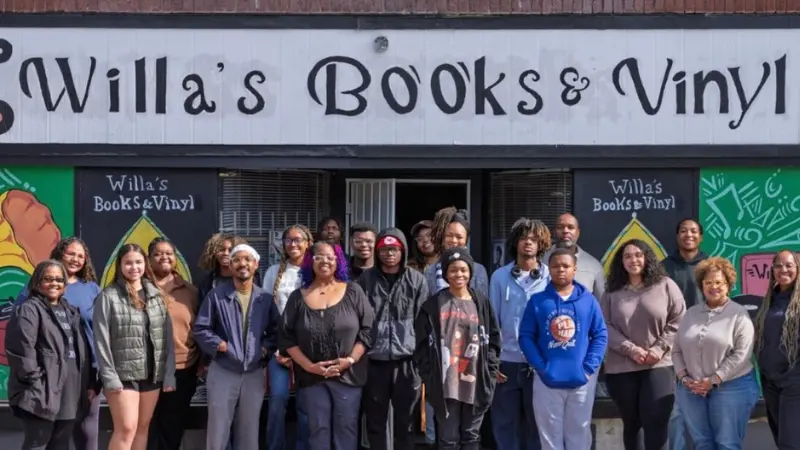
People don’t always turn to a newsroom first when they need information. They ask a librarian. Check a neighborhood Facebook group. Stop by a community center. Talk at church. Open WhatsApp. Attend a local event. Reach out to a nonprofit they trust. For funders working to strengthen civic engagement and community information ecosystems, this realityContinue reading “Strengthening Local Information Ecosystems Starts With Trusted Community Spaces”
This local newsroom became a trusted source in a state where 60% of newspapers have disappeared

When local news disappears, communities do not stop needing information. They adapt. Across Wisconsin, residents are piecing together information from Facebook groups, school district pages, podcasts, government newsletters, search engines, neighbors and community organizations — building their own systems to stay informed as traditional local news continues to shrink. But amid that fragmentation, one newsroomContinue reading “This local newsroom became a trusted source in a state where 60% of newspapers have disappeared”
Pivot’s Impact: Black By God

Black By God Founder and Publisher Crystal Good highlights the impact of Pivot support on the hyperlocal outlet.
Communities already have trusted information hubs. Publishers are tapping in
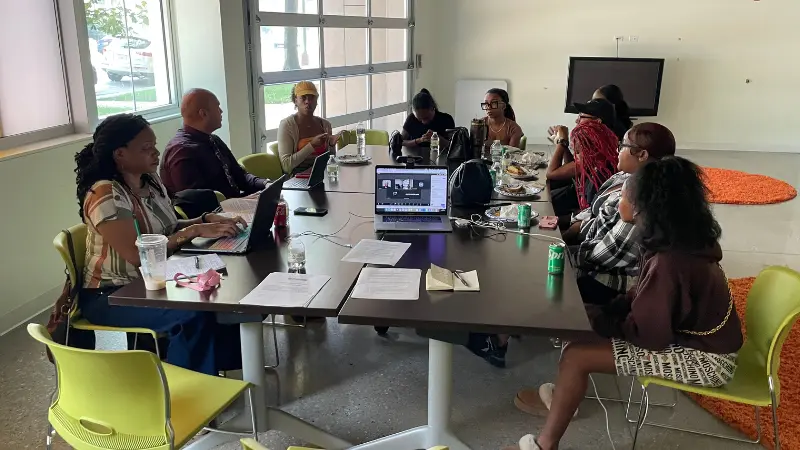
People don’t always turn to a newsroom first when they need information. They ask a librarian. Check a neighborhood Facebook group. Stop by a community center. Talk at church. Open WhatsApp. Attend a local event. Reach out to a nonprofit they trust. Community spaces are increasingly functioning as informal civic information infrastructure — places whereContinue reading “Communities already have trusted information hubs. Publishers are tapping in”