
Analysis
Beyond the Grant: Why Community Publishers Must Organize to Lead Their Own Future
July 15, 2026
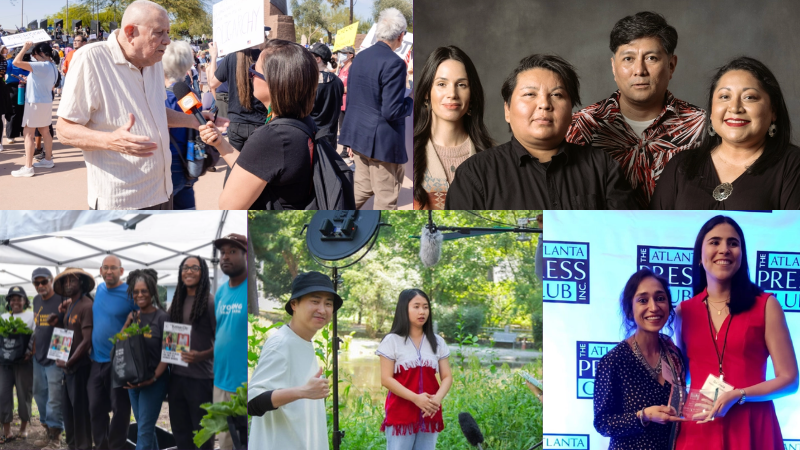
This essay is the second in an ongoing series exploring the future of community journalism and the institutions that support it. Last week’s essay asked, “Who is all of this for?” This week asks a related question: “Who gets to define what works?”
By TRACIE POWELL
Last week, I asked a question that has stayed with me: Who is all of this for?
If journalism philanthropy ultimately exists to ensure communities have access to trusted information, then every conversation about mergers, infrastructure, governance, and sustainability should ultimately be judged by whether it improves people’s access to the information they need—not simply whether it strengthens institutions.
That essay generated a thoughtful response.
But another conversation has stayed with me just as much.
A few weeks ago, I was speaking with a funder about the future of local journalism when they said something that has echoed in my mind ever since: “We already know what works.”
I understood what they meant.
Journalism philanthropy has spent decades investing in local news, studying business models, evaluating organizations, and trying to identify approaches that appear most promising. As funding becomes more constrained, it’s natural for foundations to concentrate resources around organizations, strategies, and partnerships they know well.
But I couldn’t shake the feeling that something important was missing.
Not because the statement was wrong.
Because it led me to another question.
Who gets to define what works?
I’ve spent much of the past decade helping move philanthropic dollars to community publishers through The Pivot Fund.
I believe deeply in philanthropy.
Without it, many of the most important community news organizations in this country simply would not exist.
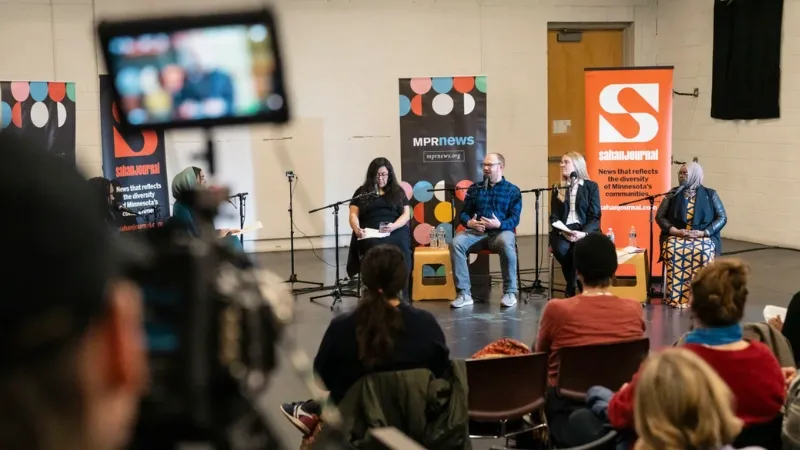
But I’ve also come to believe that no amount of grantmaking can substitute for a field capable of exercising collective leadership.
Over the past year, I’ve found myself in conversation after conversation with community publishers trying to make sense of the same reality. These aren’t conversations about building the next billion-dollar media company. They’re conversations about continuing to serve communities while the rules seem to be changing around them.
Increasingly, they’re asking a difficult question.
What are we left to do?
Compete harder for fewer grants?
Rewrite proposals to fit the latest funding priorities?
Hope someone notices our work before the next funding cycle?
Those aren’t strategies.
They’re survival mechanisms.
Perhaps the better question isn’t what philanthropy should do next.
Perhaps it’s what publishers should do next.
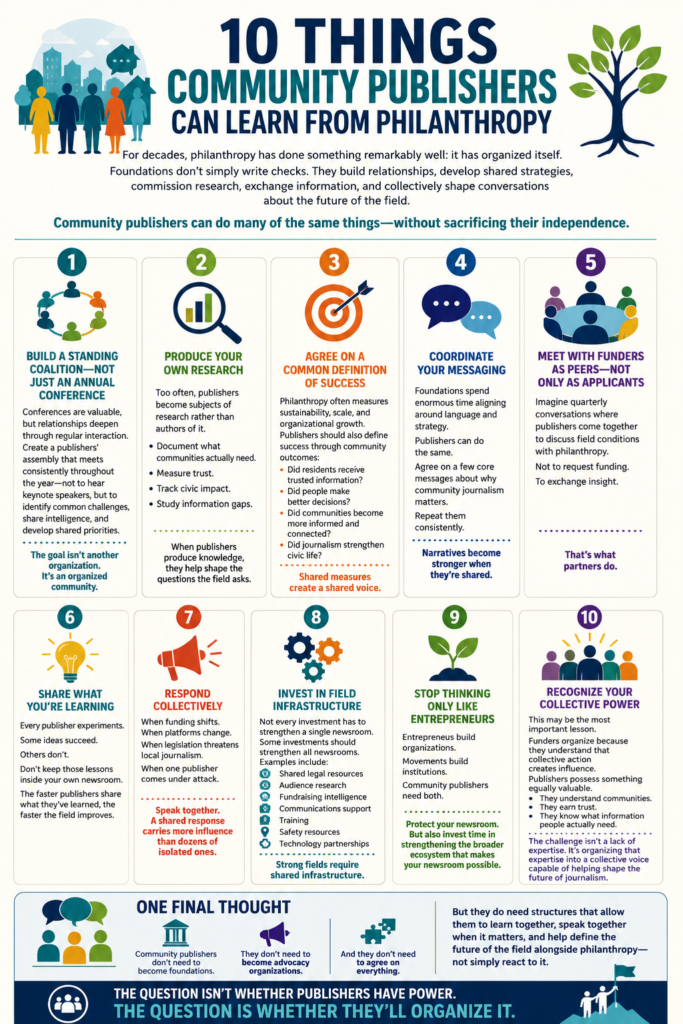
Foundations have every reason to ask difficult questions about sustainability, impact, and scale. Stewarding philanthropic resources is an enormous responsibility.
But community publishers possess something philanthropy cannot.
They are accountable every day to the communities they serve.
They know what questions parents ask after an immigration raid. They know why residents trust one institution but not another. They know which stories spread through church bulletins, neighborhood Facebook groups, WhatsApp chats, barber shops, and community meetings—and which stories never reach the people who need them most.
That doesn’t make publishers infallible.
But it does give them a kind of expertise that cannot be learned from grant reports, landscape analyses, or conference panels.
It’s expertise earned through proximity.
And I wonder whether our field has fully recognized its value.
For years, community publishers have participated in philanthropy primarily as applicants.
Funders convene.
Publishers attend.
Funders commission research.
Publishers become case studies.
Funders establish priorities.
Publishers adapt.
Even when those relationships are collaborative—and many genuinely are—they rarely begin from equal footing.
Journalism leader Erika Owens recently wrote about the importance of journalism organizations recognizing their own agency. I think her insight extends beyond individual organizations.
It applies to the field itself.
Community publishers collectively possess extraordinary assets.
They have trust.
They have relationships.
They have lived expertise.
They understand information needs before almost anyone else.
The challenge isn’t a lack of knowledge.
It’s that this knowledge is largely unorganized.
Every healthy field has institutions that generate knowledge, establish norms, articulate shared priorities, and represent the interests of the people doing the work.
Community journalism has many outstanding organizations.
What it lacks is a durable mechanism through which community publishers collectively exercise leadership over the future of their own field.
That’s different from another intermediary.
It’s different from another membership organization.
And it’s different from another grant program.
It’s the difference between participating in a field and helping steward it.
Ironically, philanthropy understands the value of organization extremely well.
Foundations belong to affinity groups. They commission shared research. They coordinate strategies. They develop common language. They learn from one another. They regularly come together to ask where the field should go next.
Community publishers rarely have comparable structures.
We gather at conferences.
We exchange ideas.
Then we return home and compete against one another for the same shrinking pool of grants.
It’s hardly surprising that one side shapes the conversation more than the other.
Organization creates influence.
Fragmentation weakens it.
To be clear, I’m not arguing for another organization to speak on behalf of community publishers.
I’m arguing for something much simpler—and, I believe, much more important.
Community publishers should exercise collective leadership.
Philanthropy should continue doing what it does best: providing the capital that makes innovation, experimentation, and long-term investment possible.
Organizations like The Pivot Fund have a different role. We help build civic infrastructure that allows stronger relationships, better collaboration, and more effective collective leadership to emerge. But we are not the coalition. We are not its representative. And we shouldn’t be.
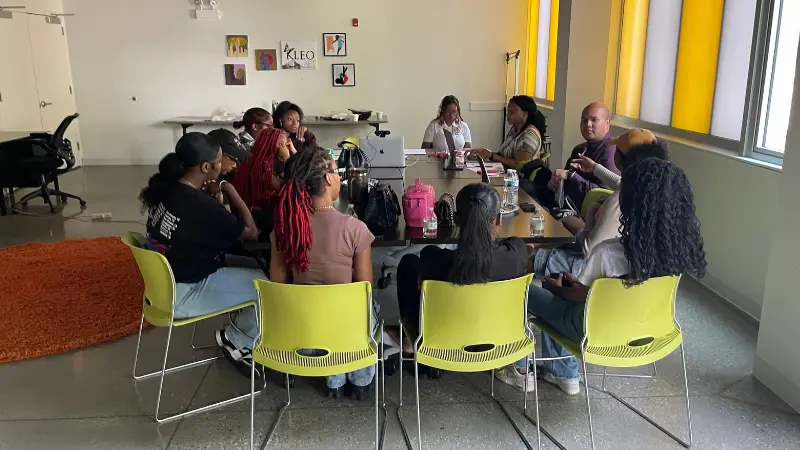
The field will be strongest when community publishers define their own shared priorities and engage philanthropy as organized partners rather than isolated applicants.
That doesn’t require another organization.
Nor does it require already overextended publishers to spend every week in another meeting.
It requires enough civic infrastructure to make collective leadership possible.
Imagine if hundreds of community publishers agreed on a handful of shared commitments.
Publishing an annual report on the state of community journalism—not from the perspective of philanthropy, but from the perspective of communities.
Developing shared principles for investing in civic information.
Collecting common measures of trust, public service, and community impact.
Meeting regularly with philanthropy—not as individual applicants, but as a field capable of identifying emerging needs, challenging assumptions, and offering solutions.
Speaking collectively when policy decisions, platform changes, or funding practices threaten the health of local information ecosystems.
None of that requires publishers to surrender their independence.
In fact, independence and collective leadership are not opposites.
I know what many publishers are thinking.
I don’t have time.
I’m too small.
That’s someone else’s job.
I understand.
For years, community publishers have been asked to do more with less while proving they deserve to exist.
But I think we’ve reached a different moment.
Collective leadership isn’t someone else’s responsibility.
It’s ours.
Not because publishers are responsible for fixing journalism.
Because no one understands our communities better than we do.
That knowledge carries responsibility.
The first generation of community publishers fought for legitimacy.
The next generation must build legitimacy into institutions that outlast any one newsroom.
This isn’t about opposing philanthropy.
Community journalism needs philanthropy.
It always will.
Nor is it about replacing one set of decision-makers with another.
It’s about broadening the conversation.
Perhaps philanthropy knows what has worked.
Community publishers know what is working.
Communities know what they need next.
A healthy field needs all three perspectives.
Last week, I asked, Who is all of this for?
I still believe the answer is communities.
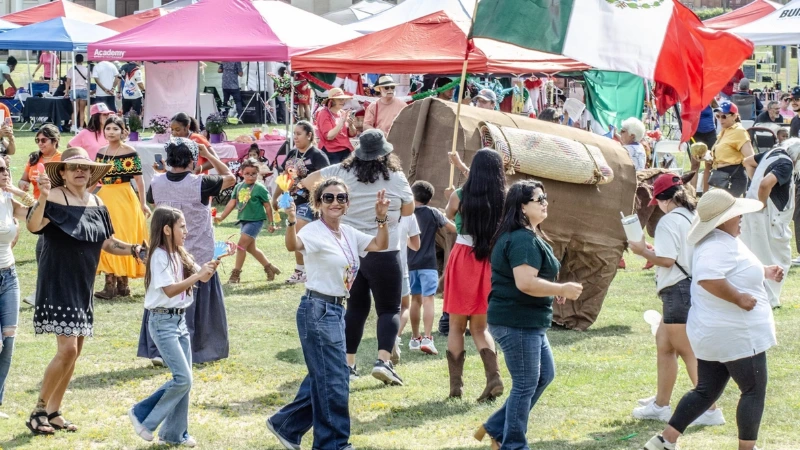
Which is precisely why the people closest to those communities deserve a stronger voice in defining what works.
The next chapter of community journalism won’t be written by philanthropy alone.
It won’t be written by publishers alone, either.
It will be written through the relationships we build among the people who invest in journalism, the people who practice it, and the communities journalism exists to serve.
That future won’t emerge from another grant cycle.
It will emerge when community publishers decide they are no longer simply recipients of support.
They are stewards of a public good.
And stewards don’t wait to be invited into conversations about the future.
They help lead them.