
News
Minnesota Community Outlets Are Shaping Collaborative Journalism
July 1, 2025
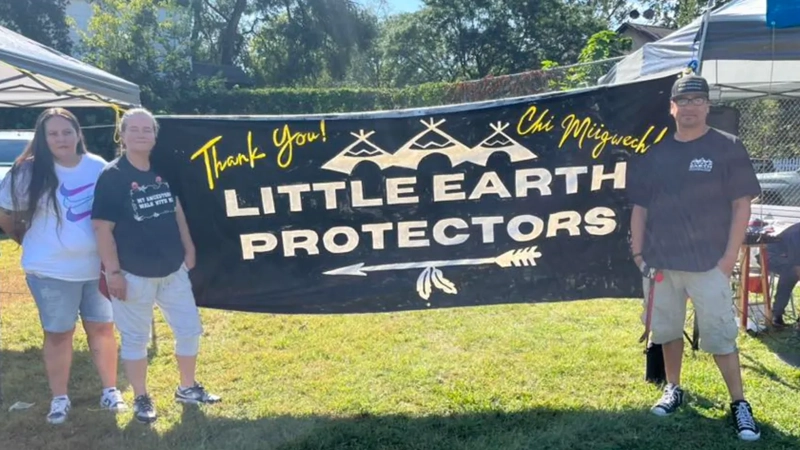
From Facebook Posts to Public Safety: Why Community Media in Little Earth Deserves Investment
In Little Earth—a multi-tribal, culturally rich neighborhood in Minneapolis—local journalism doesn’t come from studios or pressrooms. It’s created by neighbors. Community members like Jolene Jones and Cassie Holmes spend 30–40 hours a month moderating the Little Earth Residents 411 Facebook group, which now serves more than 3,700 residents with urgent news, public safety updates, and community dialogue.
This grassroots platform delivers everything from safety alerts and Missing and Murdered Indigenous Women and Children (MMIW) information to job postings and graduation shout-outs. And amid an intensifying public health crisis—including visible drug use, discarded needles near parks, and rising overdoses—Residents 411 is where the community organizes, responds, and protects its most vulnerable.
“We need to keep the children safe at all costs,” one group member wrote. “Our kids deserve to grow up in a safe environment. Stand up and fight back!”
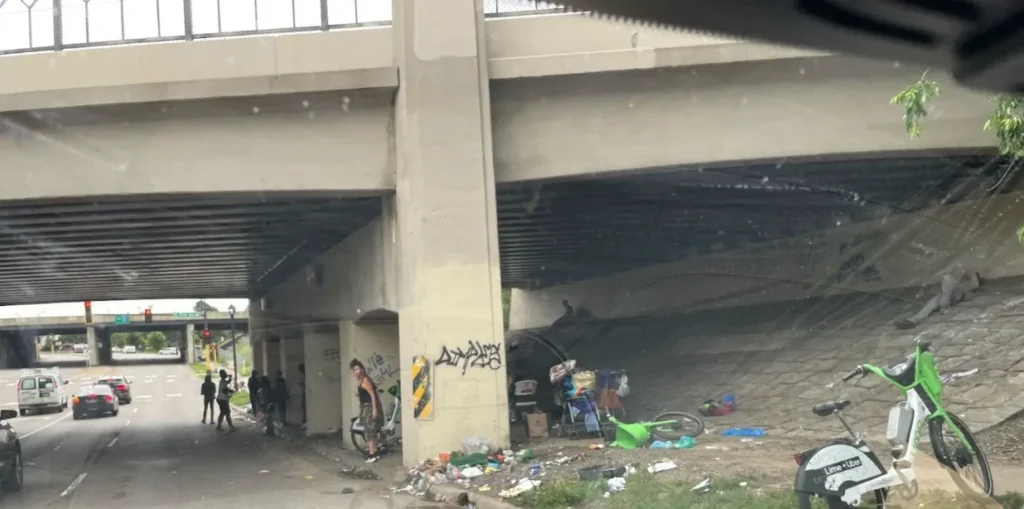
These are hard truths—but they also reveal a solution.
The Pivot Fund’s Minnesota News Landscape Analysis, commissioned by the McKnight Foundation for Press Forward Minnesota, found that 77% of surveyed Minnesotans—particularly Indigenous, Black, and immigrant communities—rely on social media for local news. Not newspapers. Not television. And for good reason: traditional media has too often failed to reflect their realities or earn their trust.
This is where community-led platforms like Residents 411 step in.
Importantly, Minnesota already offers a roadmap for what happens when funders recognize the value of culturally grounded journalism. When Sahan Journal launched to serve Minnesota’s East African and immigrant communities, it had no full-time reporters and limited resources. That changed when Minnesota Public Radio stepped in—not just with funding, but with meaningful infrastructure: office space, mentorship, development support, audience expertise, and a path to eventual independence. That investment helped Sahan Journal evolve from idea to institution.
Now, Sahan Journal is a national model—delivering award-winning, multilingual journalism by and for the communities it serves. MPR’s support didn’t just lift up a single newsroom—it created a replicable framework for sustainable, community-led media.
What Sahan Journal has built at scale, platforms like Residents 411 are building organically—without institutional backing. The potential is there. What’s missing is investment.
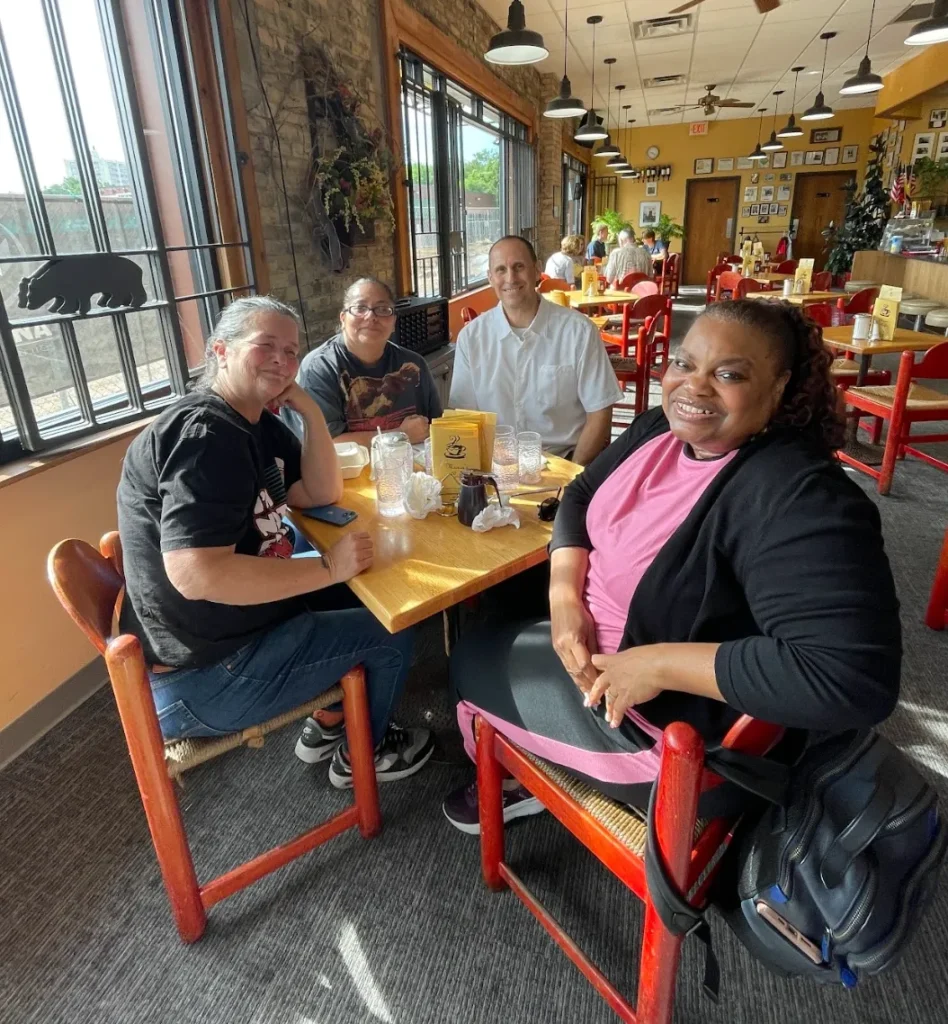
Over breakfast at Maria’s Café in Minneapolis, Pivot Fund CEO Tracie Powell and Assistant Director of Research Eric Ortiz sat down with Jones and Holmes to ask: What if we stop calling this “just a Facebook group” and start calling it what it is—a trusted local newsroom, run by and for the people it serves?
Here’s how we build on what’s already working in Minnesota:
- Fund for impact: Provide multi-year, flexible funding so grassroots outlets can hire, grow, and scale sustainably.
- Build civic news hubs: Support trusted community spaces to serve as information anchors and public safety collaborators.
- Train for sustainability: Invest in journalism trade school models to develop local talent and leadership within communities.
This isn’t a theoretical vision—it’s a proven strategy. The Pivot Fund has supported more than 20 hyperlocal newsrooms across the country, from Hy-Lo News in Miami to Conecta Arizona along the border. These outlets do more than deliver news—they restore trust, strengthen democracy, and keep communities safe.
Minnesota has already led once. It can lead again.
Little Earth represents the next chapter of that story: a vibrant, Indigenous community doing the work of journalism without the tools and resources most newsrooms take for granted.
With strategic investment, platforms like Residents 411 can move from surviving to scaling—and in the process, reshape what the future of journalism looks like.
This is history in the making. Let’s make sure it’s funded.