
News
What Youth Trust Requires—and What Funders Should Support
April 1, 2026
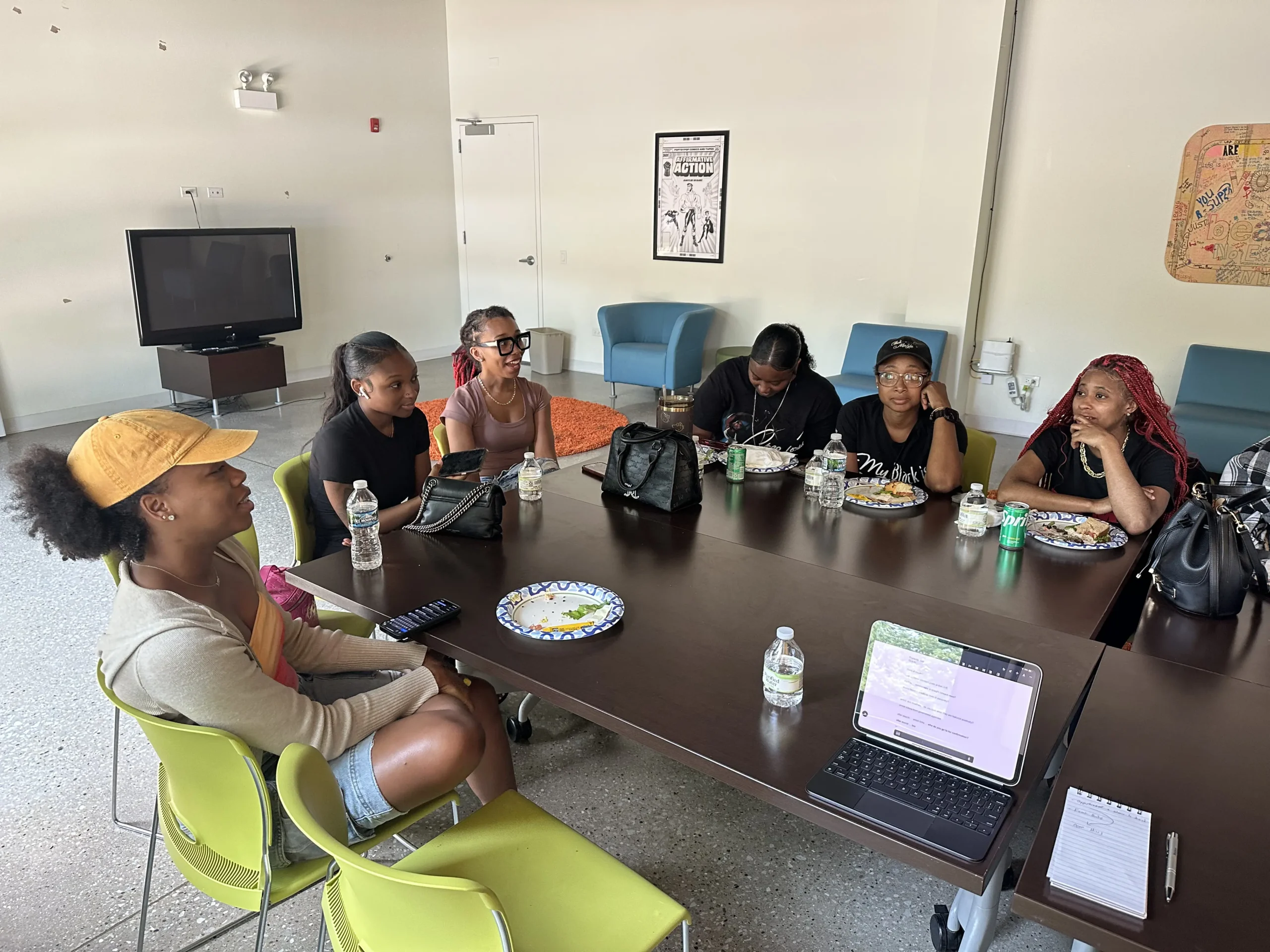
As media habits shift and trust in institutions declines, community publishers face an urgent question: how do they build meaningful relationships with younger audiences?
For funders, the more important question is: what kinds of investments actually make that trust possible?
Insights from The Pivot Fund’s recent webinar—featuring leaders from Atlanta’s VOX ATL, Minneapolis’ ThreeSixty Journalism, Baltimore’s Wide Angle Youth Media, and Arizona’s Radio Campesina—point to a clear answer:
Trust with young audiences isn’t built through distribution. It’s built through participation.
“This work is deeply relational,” said True Star Media Co-founder and Executive Director DeAnna Sherman, who moderated the webinar. True Star is a Chicago-based organization that empowers underserved youth through digital media training and real-world creative work, and is discussed in The Pivot Fund’s Great Lakes news ecosystem research. “It’s about trust, belonging and participation.”
Participation is infrastructure
Young people are far more likely to trust media organizations that invite them into the work itself—through fellowships, advisory boards, and collaborative storytelling.
“When it comes to engaging young people in the news-making and news-consuming, you have to be in real relationship with them,” said Kenzie O’Keefe, executive director of ThreeSixty Journalism. “Know the young people in your community, engage with them in mutually beneficial ways. There are no shortcuts.”
VOX ATL teen board member, intern and former Atlanta Teen Voices Journalism Fellow Jada Kelley described how meaningful that participation can be when youth voices are treated as equals in the newsroom.
“At Vox, I’m able to be seen and heard, and at the same level as with the adults,” Kelley said. “We’re able to have mature conversations where we listen to one another.”
This is not a short-term engagement tactic. It requires sustained staffing, programming and long-term investment.
For funders, the implication is critical: participation should be understood and funded as core infrastructure—not optional programming.
Representation and authenticity drive trust
Young audiences are quick to identify inauthenticity. Efforts to mimic youth culture often fall flat.
What resonates instead is representation, transparency, and a genuine connection to community. That means investing in who is in the newsroom, how decisions are made and whose voices are reflected.

Accessibility also matters. Outlets that reach historically under-resourced audiences—including those without reliable internet access or the ability to pay—build deeper trust.
Meeting young people where they are—online and offline
Reaching young audiences requires more than platform strategy.
While tools like YouTube can expand reach, much of youth engagement happens in smaller, more trusted spaces—private digital communities and in-person environments where young people feel safe to participate.

Community media organizations are increasingly creating these spaces. Yet this kind of relational infrastructure—both digital and physical—remains underfunded.
Rebuilding the pipeline
The decline of journalism education has weakened the pathway into the field.
Youth media programs, school partnerships, and mentorship opportunities not only introduce young people to journalism—they strengthen local information ecosystems in real time.
For funders focused on long-term sustainability, this is not workforce development alone. It is ecosystem investment.
What this means for funders
The lesson is not about chasing platforms or trends.
Youth trust grows from participation, representation, and relationships.
For philanthropy, this requires a shift in strategy:
- Invest in participatory models, not just content production
- Fund staffing and programs that support ongoing youth engagement
- Support community-based spaces—digital and physical—where trust is built
- Strengthen the pipeline through youth journalism and mentorship
Community-rooted outlets are already leading this work.
The opportunity for funders is to align their investments with what is already proving effective—and to recognize that the infrastructure for youth trust is not technological. It is relational.
“When young people have opportunities to tell their own stories,” said True Star’s Sherman. “They begin to see themselves as part of the information ecosystem.”