
News
Stories That Matter: Partnering to Tell Them With Care
April 30, 2025
At The Pivot Fund, we believe journalism can be a tool for healing as well as for truth-telling — especially when covering topics as sensitive and urgent as domestic violence.
That’s why we partnered with the Blue Shield Foundation of California to produce a webinar aimed at strengthening trauma-informed reporting practices across the country. Together, we spotlighted the groundbreaking new playbook for journalists developed by the foundation (available here), which offers clear, compassionate strategies for covering survivors’ stories with dignity and care.
For us, this partnership was about more than hosting an event. It was about creating real change in how newsrooms approach stories of violence, trauma, and survival. It was about providing tools that build trust with communities too often harmed by careless reporting.
“When we support journalists with the right tools and frameworks, we don’t just improve coverage — we can help communities heal,” said Tracie Powell, Founder and CEO of The Pivot Fund. “Partnering with the Blue Shield Foundation of California allowed us to connect journalism to the broader ecosystem of survivor support, safety, and justice.”
One of the most moving moments during the webinar came when several journalists shared their own experiences with domestic violence. Their courage and vulnerability underscored why this work matters — and out of respect for their privacy, we are not sharing a recording of the event. Some stories are meant to be held, not broadcast.
This collaboration underscored a shared belief that trauma-informed journalism isn’t just a professional best practice — it’s a public service.
“Partnering with The Pivot Fund helped us reach newsrooms truly embedded in their communities,” said Shikiri Hightower-Gaskin, communications lead for Blue Shield of California Foundation’s Breaking the Cycle of Domestic Violence strategy and co-host of the webinar with The Pivot Fund. “We believe that ending domestic violence requires changing the conversation — and journalism has the power to shape how we talk about, understand, and ultimately end domestic violence. Together, we’re building a community of informed reporters leading that change with the Journalism Playbook.”

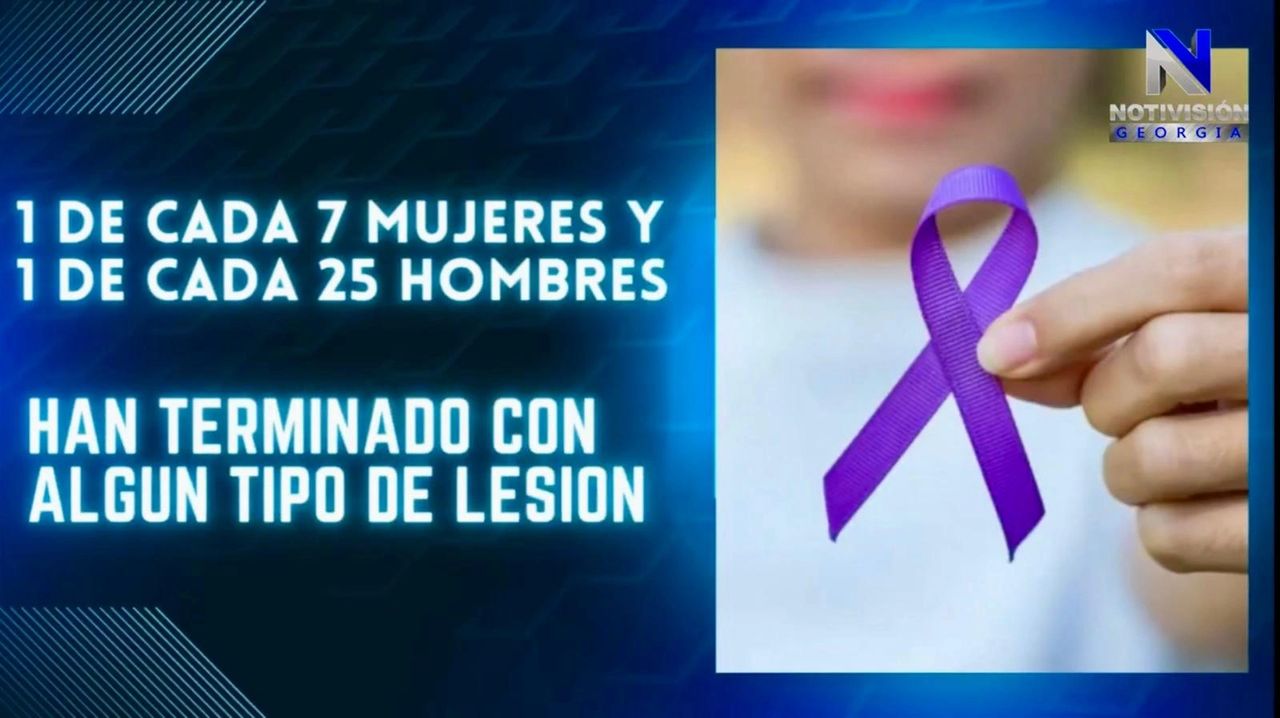
One shining example of this approach in action: NotiVisión Georgia, a Pivot-supported newsroom, recently won a regional Emmy for its coverage of domestic violence, demonstrating the powerful impact of trauma-informed reporting. (Read the story here).
At its core, this partnership shows what’s possible when philanthropy, journalism, and advocacy align around a common goal: centering the voices of survivors and strengthening the communities they call home.