
News
The power of community journalism in civic participation
November 5, 2026
Democrats regained control of Congress in the Nov. 3 midterms, winning key governorships, including in Wisconsin, Nevada, and Ohio. The election also brought historic firsts, including the first Black woman, Latina and Native American woman elected governor. Voters also decided consequential state and local ballot measures.
Behind the results were people who had to navigate voting barriers, learn about candidates and organize around issues affecting their lives.
Across The Pivot Fund’s portfolio, community publishers helped residents access voting information, make informed decisions and participate in the democratic process.
Kansas City Defender: Turning Election Results Into Community Action
Before Election Day, The Kansas City Defender published The People’s Ballot, a nonpartisan guide explaining Missouri candidates, ballot measures and local questions in accessible language and historical context.
The day after voters rejected Missouri’s Proposition A redistricting measure and Amendment 3, which would have restricted abortion rights, the newsroom’s Defender Briefing explained the results and invited readers to share their priorities for elected officials.
Executive Editor Ryan Sorrell wrote, “A new consciousness is emerging among the people of this country…We will never again accept an excuse from people with real power…Here is the list we have been building so far of the types of demands The People must begin to make.”
The Defender’s digital platforms reach an estimated 53.5% of Black residents in the Kansas City metro area.
Mississippi Free Press: Helping Voters Overcome Barriers to the Ballot
Mississippi Free Press reporting helped voting rights organizations inform voters about polling-place changes and prompted officials to correct some errors, though others remained unresolved despite MFP’s alerts. Fair Fight Action, Mississippi Votes and the Mississippi Center for Justice were among the organizations using the newsroom’s polling-place maps.
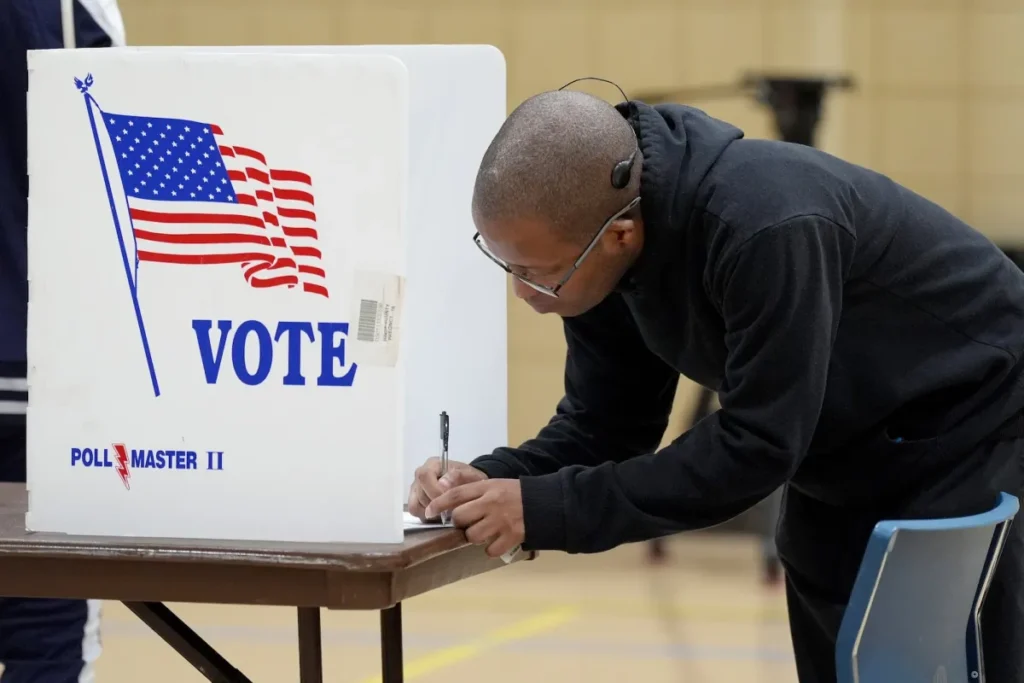
The newsroom identified 138 polling-place changes and 18 errors in Mississippi’s election system. Days before the election, reporters documented lingering inaccuracies where the state’s locator directed voters to the wrong location.
By identifying errors before Election Day and sharing accurate polling-place information, the newsroom helped reduce confusion and gave voters and community organizations the information they needed to navigate potential barriers to voting.
“Pivot’s support has helped us build this project out year-over-year to the point that it is so useful to so many this year,” said Donna Ladd, executive editor of the Mississippi Free Press.
The newsroom also investigated polling places that remained inaccessible to disabled voters despite federal requirements.
Radio Campesina: Connecting Communities With Trusted Election Information
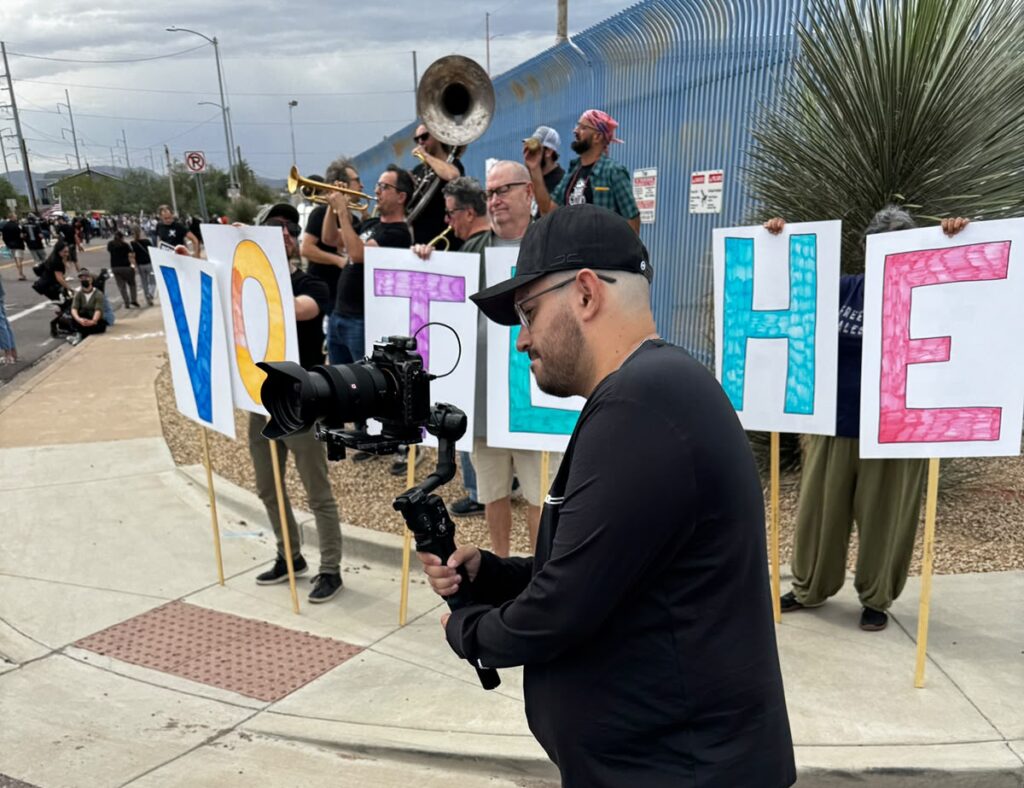
Through Yo Aquí Cuento, Radio Campesina delivered nonpartisan Election Day coverage across six markets in Arizona, California and Nevada.
Preliminary reports documented approximately 47 interviews, more than 20 polling locations and participation from at least 10 community organizations. Reporters shared voting information through radio, video, social media and live coverage.
Community members identified Radio Campesina as a source of election information more than 45 times, according to Maria Barquin, Director of Spanish content for Chavez Media and Radio Campesina.
“Reporters also identified community questions about voting procedures, polling-place wait times, and concerns related to the economy, education, and immigration,” Barquin said. “These findings indicate that our coverage reached community members seeking practical election information. They do not establish how many votes were directly attributable to our reporting.”
285 South: Giving Immigrant Communities a Voice in Elections
In Georgia, 285 South’s reporting helped immigrant communities make informed voting decisions by interviewing candidates with immigrant backgrounds about immigration enforcement, public benefits and community safety.
On Election Day, the newsroom collaborated with the Atlanta Community Press Collective and SaportaReport on a live election blog. After reporters identified voters arriving at the wrong precinct in Clarkston and others needing language assistance, they alerted voter support organizations. Election monitors and interpreters were sent to help immigrant voters navigate polling locations and language barriers.
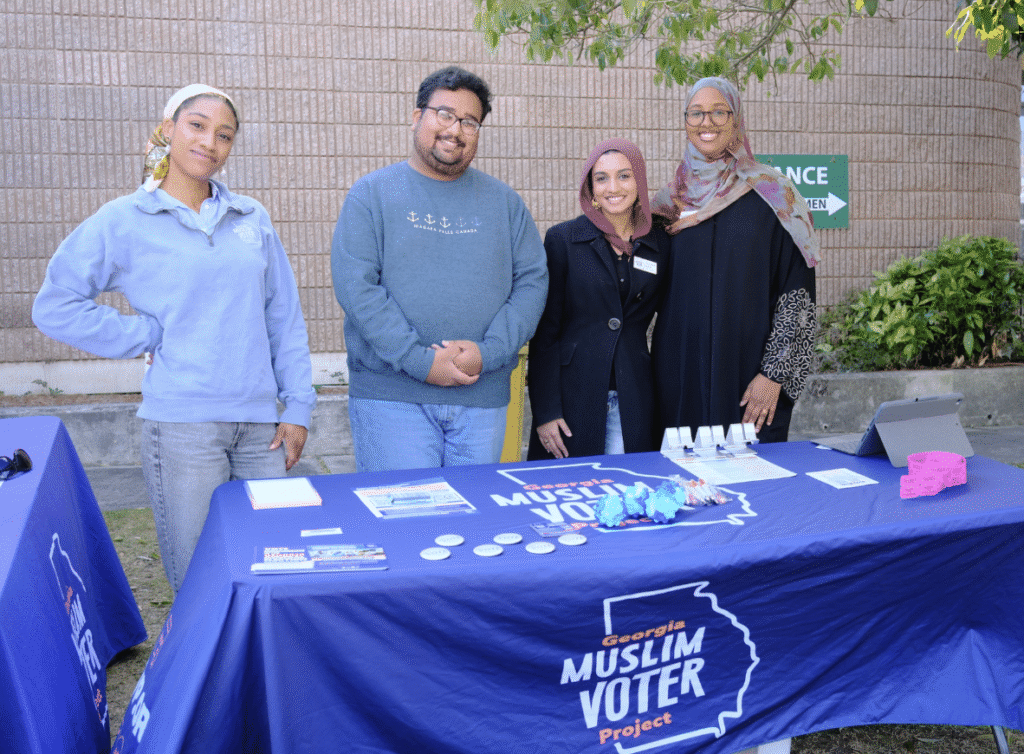
The newsroom also documented civic participation among Muslim voters, with nearly 30,000 Muslim Georgians casting early ballots. Community groups mobilized voters through canvassing, phone banking and transportation to polling places.
285 South reaches 22,500 people, nearly 4% of metro Atlanta’s foreign-born population. Its election coverage demonstrates how community reporting can help address voting barriers in real time while amplifying the issues and experiences of immigrant communities.
Hy-Lo News: Making Election Information Accessible to Voters
In South Florida, Hy-Lo News launched its first free, nonpartisan voter guide, THE GUIDE, featuring candidate comparisons, photos and profiles to help residents make informed voting decisions.
“I wanted something that let me compare candidates, put faces to names, and easily look them up when I wanted to know more,” said Janey Tate, founder and publisher.
The newsroom, which has more than 36,000 social media followers, also hosted Politics & Chill community forums, creating opportunities for residents to discuss political issues.
South Florida saw a surge in early voting, with more than 992,000 ballots cast before Election Day, more than double the 2022 midterm total.
The Civic Impact of Community Journalism Extends Beyond Election Day
The civic impact of community journalism can be seen in residents using election resources, community organizations sharing reporting and public officials responding to investigations.
These examples show how community publishers can turn reporting into tools for participation, connect residents with information that directly affects their lives and create opportunities for their voices to be heard.
As newly elected officials take office, that work continues. By following through on campaign promises, investigating community concerns and keeping residents involved in public decisions, community publishers can help make civic participation a year-round practice.