
Analysis
Spanish-language media needs to create a new legacy
January 31, 2024
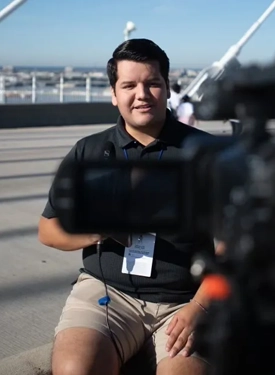
I’m passionate about delivering accurate and meaningful information to my community, so I used my journalism degree to join a Spanish-language newspaper, signing on as a consultant to bring the publication into the digital age. After a year of offering recommendations that went unimplemented, I left and started my own digital news site in Charleston, SC.
Claudia Yajuar-Amaro embarked on a similar entrepreneurial journey in the Midwest after identifying a big gap in local news and information. “When I went to family and friend gatherings where most people spoke Spanish only, I would share about local happenings, and to my surprise, nobody knew about them,” Yajuar-Amaro said.
She first tried knocking on the doors of existing media but got nowhere. So she started a weekly radio show, which evolved into Planeta Venus, a hybrid digital and print newsroom.
Our journeys through the landscapes of Spanish-language newsrooms led to a painful revelation: Many of them cover very little news. Some are so small they feel they simply can’t afford it, even if it engaging their community through news and information is the only path to building an audience big enough to monetize. Others are quite profitable, yet don’t reinvest in the community by hiring journalists.
Pedro de Armas, publisher of El Informador in Charleston, is one of those trying to do groundbreaking journalism on a small budget.
“We just hired a journalist from Guatemala. He’s here on asylum, and he applied. He worked for a newspaper in Guatamala. He’s very passionate about reporting. We are now reporting human trafficking because of him and his interest in the subject,” said de Armas who recently celebrated his newspaper’s 15-year anniversary. “Those kinds of stories are very important because it’s not only about the trafficking itself but also about how they are forcing immigrants to work for less money. We’re making the community aware of those topics.”
He’s trying to make the transition from newspaper to digital, but it’s still the print newspaper that pays the salaries of his three reporters. Few community members are willing to pay for digital subscriptions, and digital advertising only pays at scale.
“We’re looking to develop our website, newsletters, etc. We are headed in that direction. But it comes down to advertising. To sell an ad, you must tell an advertiser that the paper reaches 10,000 residents. With newspapers, we can show the client how many people we’re reaching,” he said.
Other Spanish-language newspapers appear profitable because they are replete with advertising, but fill the spaces between with press releases. This pattern isn’t limited to Spanish-language media; many legacy publications lack the means or will to invest in news gathering.
Digital startups are starting to provide an alternative. They may not yet have the advertiser relationships of legacy outlets, but they have a strong commitment to news gathering that is powering their audience growth.
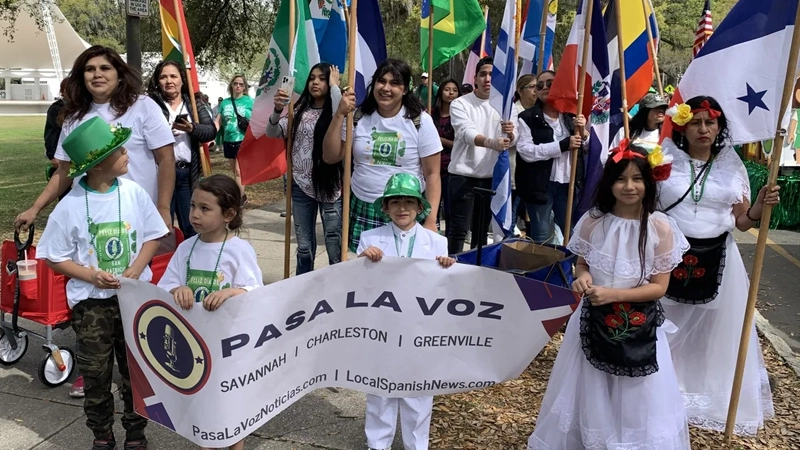
Pasa la Voz, in Savannah, Ga., is an example of the impact of investing in a digital news site that has a savvy leader and the trust of the local community. Created as a Facebook group to inform local Spanish speakers about hurricane safety, it grew into a news source and started earning revenue as businesses and health officials sought to reach the community. In 2022, the Atlanta-based Pivot Fund invested $150,000 plus support services as the start of a three-year commitment.
Big changes followed. Pasa la Voz founder Elizabeth Galarza hired me and we merged our publications as Pasa la Voz Noticias, covering the coast from Charleston to Savannah. We launched a website and WhatsApp feed to end dependence on Facebook, and tripled our audience. With me as editor-in-chief and Elizabeth as publisher, she is able to concentrate on revenue, and has already brought in the equivalent of the Pivot Fund grant in advertising and sponsorship of cultural events.
To grow along with the U.S. Latino population, Spanish-language outlets need to invest in growing their news operations. Most legacy outlets appear content to stay small, run by the founder and perhaps one staffer. The ones that hire reporters often pay so poorly that they move on after a year or two. They’re also competing with the communications sector, where “younger people could bring innovation and different ways to engage and inform the Latino audience,” Yajuar-Amaro points out.
As interest and investment grow in local news, now is the time to significantly invest in upholding rigorous journalism for Spanish-speaking audiences. Rather than supporting this media solely for diversity’s sake, funders can embrace the chance to learn from and provide vital information to an often neglected community. The evolving landscape presents not just funding opportunities but a chance for real understanding and growth. The unfamiliar may seem scary, but to flip a question funders always ask – what do you hope to learn from these challenges?
Fernando Soto Gaulden is the editor-in-chief of Spanish-language news outlet, PasaLaVozSavannah.com. Fernando was previously the CEO & publisher of NuestroEstado.com until its merger with Pasa La Voz.