
Analysis
Shared Leadership as Infrastructure: What Funders Can Learn From MLK50
January 30, 2026

Local news organizations are carrying unprecedented responsibility. They are expected to deliver trustworthy civic information, withstand political pressure, diversify revenue, support staff, and remain deeply accountable to the communities they serve—all at the same time. For many community-rooted outlets, the traditional single–executive leader model is proving fragile under that weight.
That’s why co-leadership is emerging not as a trend or a preference, but as a sustainability strategy.
“A lot of newsrooms talk about care,” said Adrienne Johnson Martin, co-executive director of MLK50: Justice Through Journalism. “To me, shared leadership is part of that thinking. To be able to do this work—emotionally, physically, spiritually—it should be shared.”
Community-rooted newsrooms have long been innovators out of necessity. They operate with limited resources, deep community trust, and a willingness to question inherited assumptions about how journalism should work. Increasingly, that same ethos is reshaping how leadership itself is designed.
In a recent episode of The Pivot Fund Pod, MLK50’s co-executive directors, Ayanna Johnson Watkins and Adrienne Johnson Martin, unpacked what shared leadership looks like in practice—and why it matters for long-term resilience.

Shared leadership as capacity
At its core, co-leadership creates something many newsroom leaders lack: a true peer. Someone who shares responsibility, understands the full organizational context, and can work through high-stakes decisions with honesty and trust.
Watkins, who oversees MLK50’s business and operations, described traditional executive leadership as deeply isolating—major decisions often made without a partner who carries equal weight. Co-leadership changes that dynamic, reducing burnout and strengthening judgment at the top.
For funders, this distinction matters. It reflects how community media organizations are adapting leadership models to meet today’s realities—strengthening sustainability while directly addressing leadership continuity, staff retention, and organizational stability.
Interdependent by design
At MLK50, co-leadership is not a neat split between “editorial” and “business.” Martin leads editorial operations. Watkins leads development and operations. But strategy, vision, budgeting, and forecasting live in shared space.
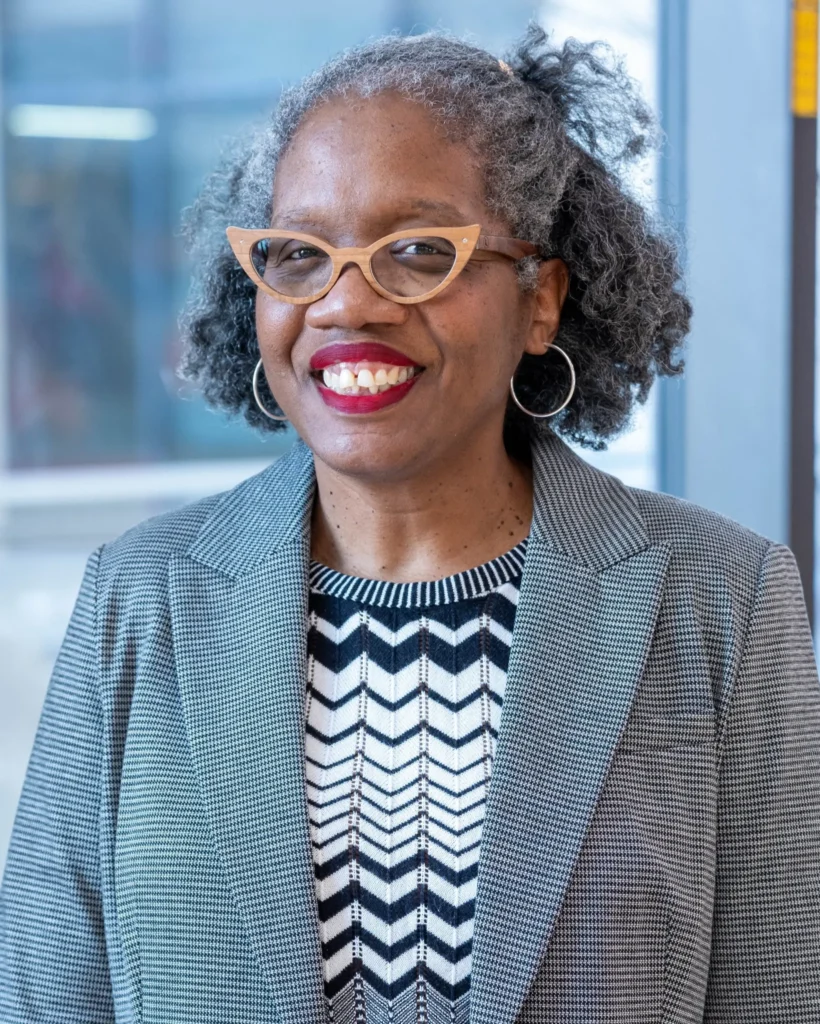
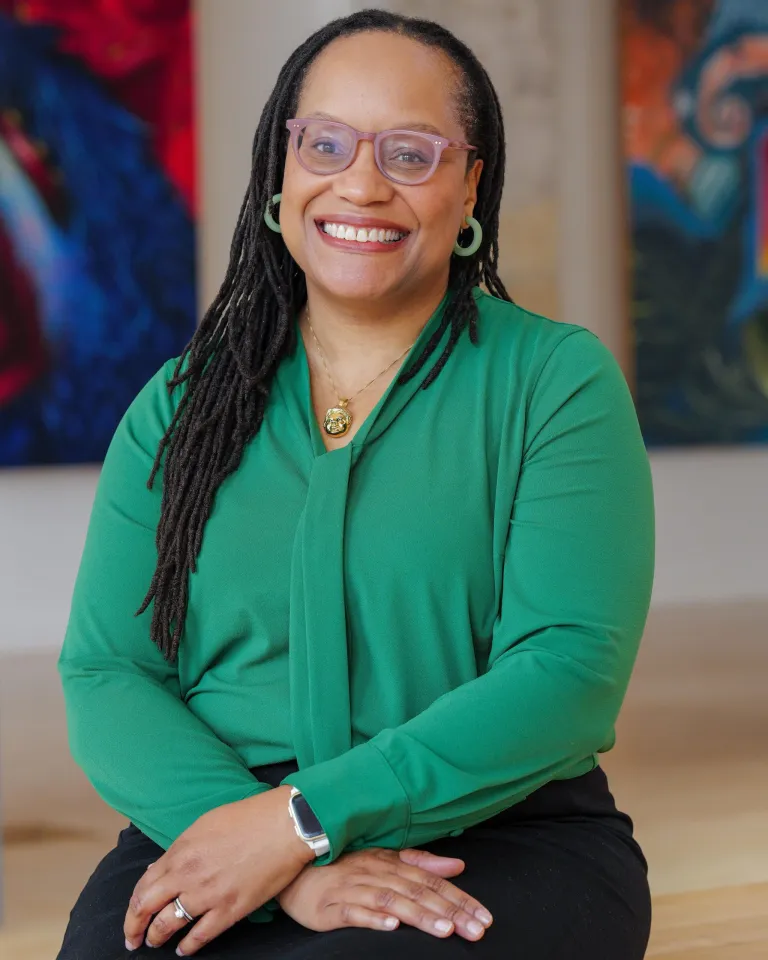
This interdependence allows the organization to step back from constant urgency and invest in long-term planning—diversifying revenue, strengthening internal culture, and deepening community accountability. That ability to zoom out—to operate at 30,000 feet—is infrastructure, even if it doesn’t always look like it on a balance sheet.
Why leadership structure matters in moments of pressure
Both leaders described this moment as one of profound uncertainty—not only around funding, but around press freedom and the role of journalism itself.
“For us, we were built for this moment,” Watkins said. “To tell the truth, to be a reliable and accountable source to our community. When has that mattered more?”
Martin emphasized that shared leadership has allowed MLK50 to show up more fully for its audience by creating space for deeper, community-based conversations. “We need to work from the people up and not institutions down,” she said.
For funders, this underscores a critical point: leadership models shape how effectively organizations respond under pressure—especially when communities need information they can trust.
Capacity shows up in unexpected ways
Two leaders mean MLK50 can be in more places at once—building partnerships, attending convenings, and expanding networks—without overextending a single person. Co-leadership has also strengthened hiring decisions, sharpened risk assessment, and improved organizational pacing.
This year, MLK50 made the decision to postpone its annual fundraiser as a strategic choice to protect staff capacity and long-term sustainability. Co-leadership made that decision possible. With shared responsibility and visibility into both editorial and financial realities, MLK50’s leaders were able to assess capacity honestly and prioritize staff well-being. Protecting pace and focus, rather than pushing through burnout, was a sustainability strategy—not a setback.
Shared leadership doesn’t just add capacity. It creates the conditions for better judgment.
What this signals for funders
MLK50’s co-leadership model is a pragmatic response to the realities community newsrooms face: high stakes, limited resources, real burnout risk, and deep responsibility to the public.
Leadership built on shared power, responsibility, and care isn’t just healthier. It’s more durable—and durability is what this moment demands.
For funders committed to sustaining community-rooted journalism, the question isn’t whether these models are unconventional. It’s whether our funding practices are flexible enough to support the leadership structures that make this work possible.