
Analysis
Michigan Local News Charts Independent Path Amid Polarization
November 8, 2024

In this recent presidential election cycle, the consequences of critical civic news failing to reach those who need it most have become strikingly clear. Many Americans are tuning out traditional journalism, actively avoiding national news networks and opting not to subscribe to national or local newspapers. Despite this, the demand for reliable information remains high. Today, people are not only selective about where they get their news but also about whom they trust to deliver it—particularly in times of crisis.
For example, our research in Michigan reflects what is happening across the country.
Michigan’s independent news landscape is growing rapidly, a trend we’re seeing in ongoing studies by The Pivot Fund. While Michiganders continue to rely on legacy media, they increasingly supplement their news consumption with independent, community-centered sources. This shift reflects a rising demand for local, trusted news sources tailored to specific communities.
Similar trends are emerging nationwide, with daily and weekly newspapers becoming increasingly “thinner,” as described by readers like Kevin, a 46-year-old “news junkie” from western Michigan. Legacy TV news stations tend to overemphasize crime while lacking context, according to focus group participants. This gap has led many to seek additional sources on social media, such as Facebook and Nextdoor, and through independent outlets.
Kevin shares that while his favorite newspapers are becoming “thinner and thinner,” he has found an independent news site, NowKalamazoo, which fills the gap and then some. He appreciates its coverage of important local issues, including road construction and park upgrades. “Things like that help the community,” Kevin explains. “They might not be the most sexy news, but they make our community go round.”
The Pivot Fund, which has conducted studies of news ecosystems in Georgia and Minnesota, is currently examining Michigan’s landscape and plans to release its findings in January. Led by Jean Marie Brown of Texas Christian University, with associate director Eric Ortiz, the research team is focusing on where Michiganders get their news and whom they trust. This work emphasizes centering journalism around community needs, especially as national trust declines.
“In this recent presidential election cycle, we saw the consequences of critical civic news not reaching the people who need it most,” said Tracie Powell, President and CEO of The Pivot Fund. “People are tuning out traditional journalism. They’re actively avoiding it—no longer watching TV news or subscribing to national or local newspapers. Yet, they still crave news and seek information. Journalists need to understand not only how people are getting their news but also whom they trust to deliver it. It’s local, trusted sources that guide communities—not The New York Times. That’s why this work is so crucial.”

In Michigan, local independent outlets like El Central and Planet Detroit, both based in the Motor City, play a vital role. Flint Beat, another example, is deeply embedded in its mid-Michigan community. Its founder, Jiquanda Johnson, attributes the outlet’s popularity to its hyperlocal focus and deep community roots. Dolores Sanchez, founder of El Central, emphasized her bilingual publication’s impact, covering stories in Detroit’s southwest side that larger media often overlook. All three of these independent newsrooms, and NowKalamazoo, recently received coveted financial support from Press Forward, a new national initiative to support the revitalization of local news.
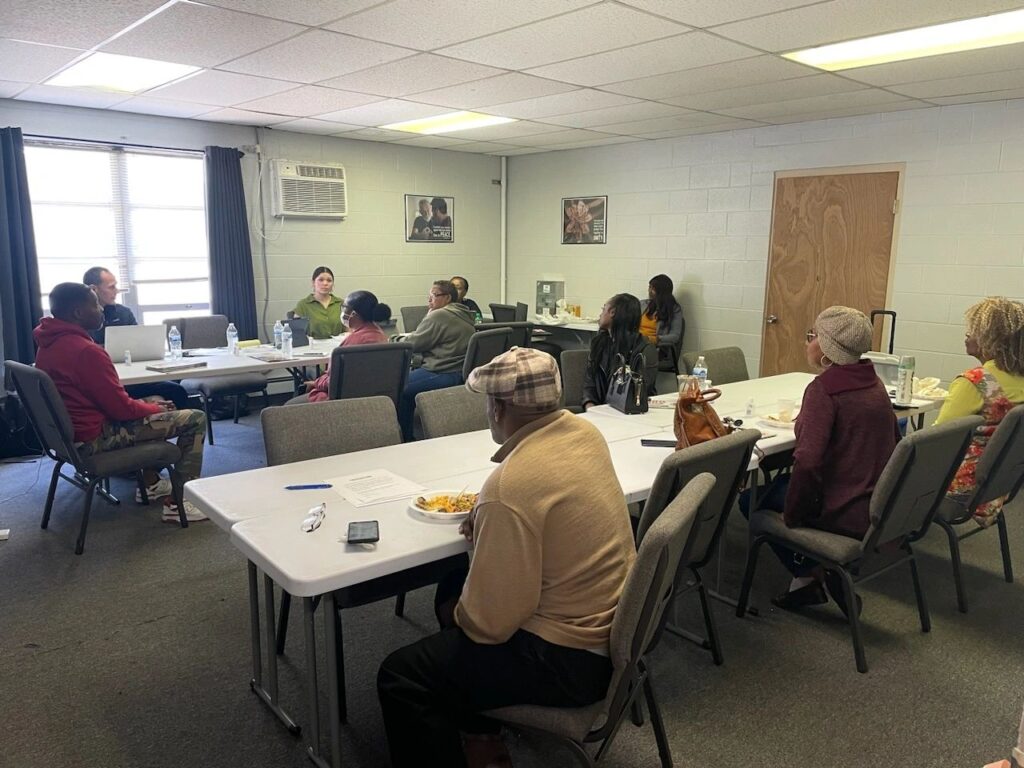
The Pivot Fund’s work in Michigan involves community listening sessions and interviews with independent media owners. Residents reported diverse media habits, from traditional sources to community-based updates from clergy, social media, and word-of-mouth. Many noted a growing reliance on local, independent media over larger outlets. The latter, respondents said, are often inaccessible due to paywalls and limited regional coverage.
The rise of independent media in Michigan reflects a broader shift in U.S. news consumption. Traditional media are struggling to retain audiences. According to Pew Research, only 26% of U.S. adults now get news from print media, the lowest level recorded in their surveys. With disinformation prevalent on social media, reliable local digital journalism is becoming even more valuable.
Independent media provides a powerful alternative, delivering specialized, community-focused stories that resonate deeply with residents. By supporting these outlets, The Pivot Fund aims to empower a new generation of local journalists committed to serving their communities, holding power accountable, and addressing critical issues.
The Michigan study is part of The Pivot Fund’s larger Midwest landscape analysis, which will shift focus to Illinois next. As Powell explains, “This work is not just about finding new outlets—it’s about transforming how local journalism serves communities.”
Oralandar Brand-Williams is leading the landscape analysis research for The Pivot Fund in Michigan. An award-winning journalist with experience in broadcast and print, Brand-Williams is a University of Michigan graduate who has covered criminal justice, race relations, religion, and local government for The Detroit News. Most recently, she worked for VoteBeat, covering elections and voting rights in Michigan. Brand-Williams is a former vice president of Print for the Detroit chapter of the National Association of Black Journalists and a mentor to emerging journalists through Report for America. She has also served as a producer/editor for WDIV-TV, Detroit’s NBC affiliate, and as a news producer at WWJ Newsradio, a CBS affiliate.