
News
Local News Day is a chance for hyperlocal newsrooms to be seen, supported
March 25, 2026

Hyperlocal newsrooms aren’t missing, they’re overlooked. Local News Day can help change that
People aren’t turning away from news, they’re turning toward sources they trust.
At The Pivot Fund, our research—including our recent landscape analysis in the Great Lakes region—shows that these trusted sources are often hyperlocal outlets rooted in the communities they serve. From neighborhood newsletters to community radio to multilingual digital platforms, these outlets are building direct relationships with audiences that larger institutions have struggled to reach.
Yet despite their impact, many of these outlets remain largely invisible to the broader media ecosystem—overlooked by funders, excluded from industry conversations, and missing from the tools meant to help people find local news.
That’s what makes Local News Day, on April 9, so important.
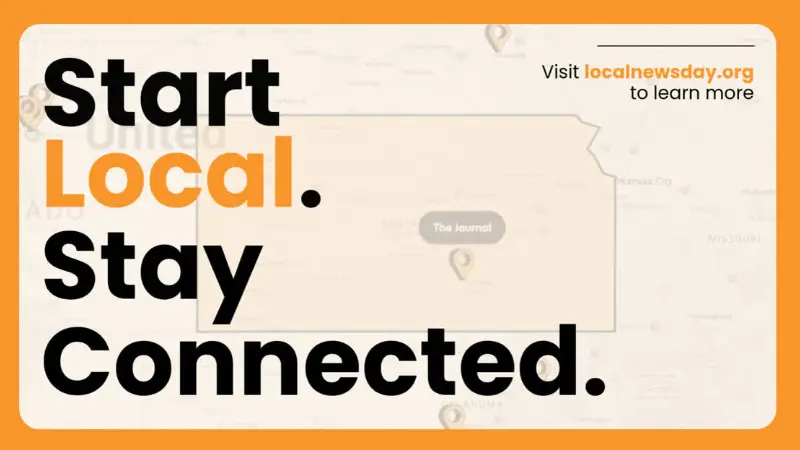
The initiative brings communities across the country together to celebrate and support local journalism. Part of the initiative includes the Local News Finder, a free, publicly accessible map that connects people with trusted local journalism in their communities. For many small, independent, and community-rooted outlets, being included is a critical step toward to visibility, credibility, and support.
Because for many communities, local news doesn’t look like a daily paper on the doorstep. It arrives by text, through a WhatsApp group, on Facebook, via a neighborhood newsletter, or over the radio in another language. These are the outlets people rely on—not out of convenience, but because they are relevant, accessible, and trusted.
Many of the outlets The Pivot Fund supports operate in exactly this way—filling critical information gaps, translating complex policies, and providing culturally relevant reporting that larger institutions often miss. But without intentional efforts to surface them, they remain difficult to find.
That’s why visibility matters.
Local News Day founder John Adams has been clear: the goal is to expand who gets recognized as local news. The locator tool is designed to include not just newspapers and broadcast stations, but newsletters, social-first outlets, and other emerging models that communities already trust.
“If an outlet is providing news and information to an underserved community, we want to include it,” Adams said.
That invitation comes at a critical moment.
The journalism field still talks far too often about the decline of local news. That reality is real, but it’s not the full story. Across the country, new models are emerging: digital-first, community-rooted, and often operating with small teams and limited resources. What they share is proximity to community and a direct relationship with audiences.
In the Great Lakes region, for example, we’ve seen outlets stepping in to explain local policy changes, share public health information in multiple languages, and connect residents to resources that directly affect their daily lives. This is journalism that meets people where they are—and responds to what they actually need.
And that connection matters more than ever.
Platforms shift. Algorithms change. But a direct relationship, through an email list, membership base, or loyal following, is something a newsroom can build and sustain. Local News Day helps strengthen those relationships by making trusted outlets easier to discover and encouraging audiences to subscribe, follow, donate, and share.
For hyperlocal publishers, joining the locator map is a simple but powerful step.
It’s also a way to challenge who gets counted in the future of local news.
Too often, the outlets most visible to funders and institutions are simply the easiest to find, not necessarily the most trusted or the most impactful. Visibility isn’t just about discovery—it shapes where funding flows.
Meanwhile, some of the most essential journalism in this country is being produced by small outlets with deep roots in communities that larger institutions have long overlooked.
Local reporting makes the stakes of national issues real. It connects policy to people. It helps communities see themselves—and each other—with greater clarity.
That is the power of hyperlocal journalism.
The Local News Day map won’t solve the structural challenges facing the field. But it is a meaningful step toward a more complete and inclusive picture of where trusted local news already exists—and who is providing it.
For publishers, it’s an opportunity to be discovered and supported. Newsrooms can add themselves to the Local News Finder by submitting an application, and partner organizations can also sign on to support the effort. While the full locator tool is not yet live, participating outlets and partners can already be viewed through the Local News Day dashboard.
For funders and the field, it’s a chance to look beyond the usual suspects.
And for communities, it’s a reminder that trusted local news is already here, often closer than we think.
GET INVOLVED: Apply to be listed in the Local News Finder
- Step 1: Complete the Local News Finder Application. DEADLINE: March 26.
- Step 2: Learn how the tool works once it goes live with this quick-reference guide.
Questions? Reach out to info@localnewsday.org