
Analysis
Illinois shows the real gap: Reach, not just reporting
March 25, 2026
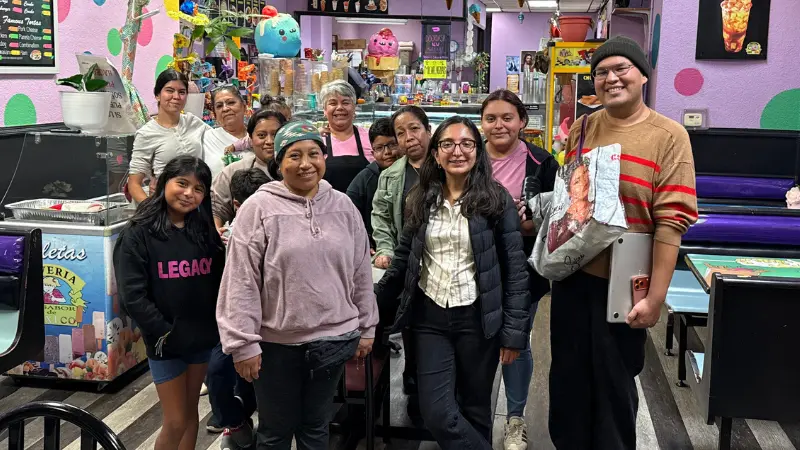
Across Illinois, one pattern was clear: journalism exists—but many people don’t see it, use it or trust it.
Instead, they build their own information networks through social media, group chats, community leaders and everyday interactions.
Illinois residents are eager for inclusive, trusted, community-centered journalism. As Danielle Williams, a 48-year-old Black woman from Chicago’s West Town neighborhood, shared during a community listening session:
“Thank you all for doing this. Hopefully, positive changes come from it.”
For publishers, this is the shift: the challenge isn’t just producing journalism. It’s making sure it actually reaches people.
People aren’t loyal to outlets—they’re loyal to information
Audiences today don’t start with a newsroom. They start with what’s useful, accessible and shared by people they trust.
That means:
- Discovery happens through feeds, texts and word of mouth
- Credibility is shaped by repetition and relevance
- Formats that feel direct and human often resonate more than polished stories
The unit of impact is no longer your brand. It’s how often your journalism shows up in people’s daily lives.
Distribution is the work
Distribution is not promotion—it’s core to the journalism itself.
Across Illinois, trusted information flows through:
- Facebook groups and WhatsApp chains
- Community organizations and local leaders
- Physical spaces like libraries, laundromats and neighborhood hubs
If your journalism isn’t present in these spaces, it’s not part of the ecosystem people rely on.
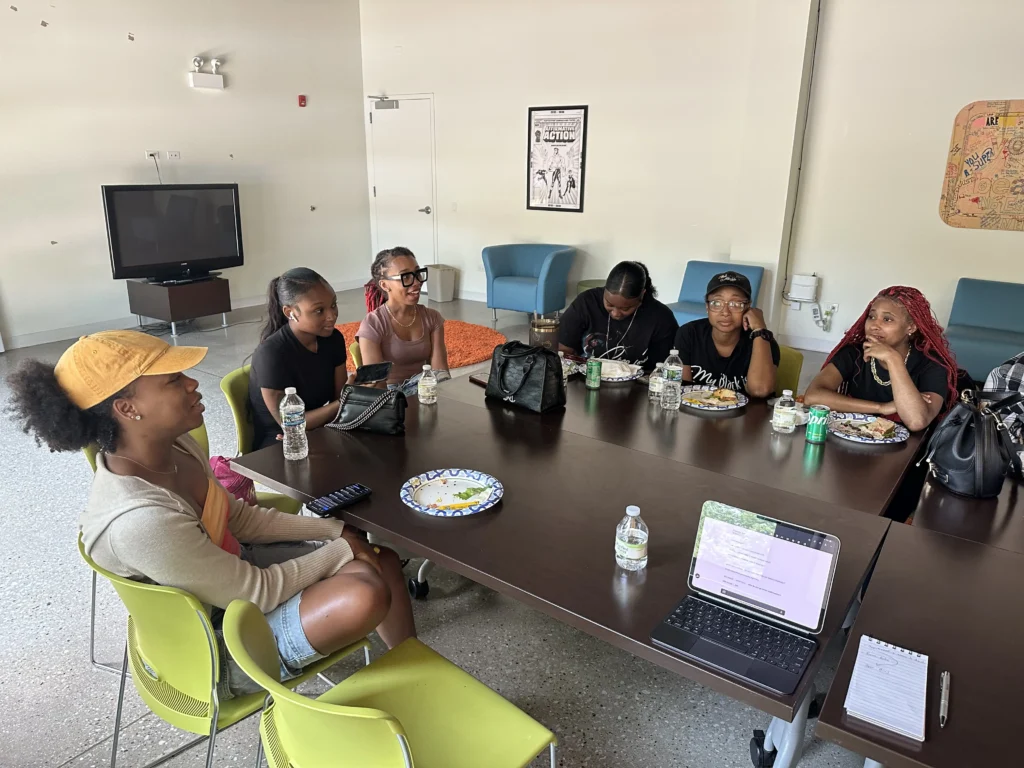
Trust is built through relevance and representation
Communities aren’t rejecting news—they’re rejecting coverage that feels incomplete.
They want:
- Stories that reflect the full reality of their lives
- Coverage beyond crisis—culture, solutions, everyday experiences
- Opportunities to engage, not just consume
Trust grows when people feel seen, not just covered.
The ecosystem already exists—plug into it
Even where formal media is weak, people are actively:
- Sharing information
- Verifying what they see
- Relying on trusted messengers
The opportunity isn’t to rebuild from scratch. It’s to connect your journalism to the networks people already use.
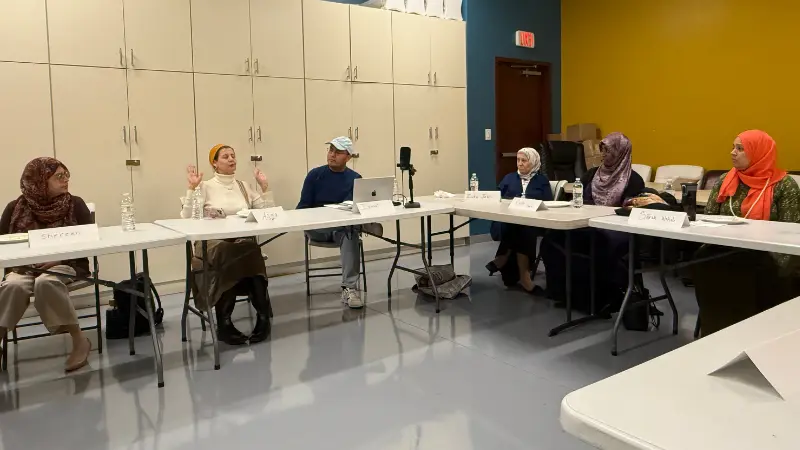
What this means for publishers
- Design for how people actually get information—not how you wish they did
- Treat distribution as core infrastructure, not an afterthought
- Build partnerships with trusted community institutions and messengers
- Create journalism people can use in real life—not just read
- Show up consistently in the spaces where your audience already gathers
Bottom line
The problem is not that people don’t want news.
It’s that news isn’t reaching them in ways that fit how they live.
Closing that gap is where the biggest opportunity—and responsibility—now sits for publishers.