
Analysis
How Investing in Community Media Strengthens Crisis Response Infrastructure
December 1, 2025

What the recent federal shutdown revealed — and why funders should pay attention
During the longest federal government shutdown in U.S. history, millions of families experienced delayed or reduced SNAP benefits, creating immediate gaps in access to food and essential services.
While national outlets focused on political gridlock, community-rooted newsrooms quietly became part of the emergency response system—delivering timely information, mobilizing resources, and helping residents navigate crisis in real time.
Baltimore Beat: Journalism as a Lifeline
Baltimore Beat updated and expanded its citywide resource guide—printed in every issue and available online—to connect residents to food, housing, employment support, and more. At a moment when government systems faltered, the Beat offered clarity, dignity, and actionable guidance. Their reporting didn’t just inform people; it helped stabilize them.
The Kansas City Defender: Reporting + Direct Community Support
In Kansas City, The Kansas City Defender did more than document the crisis—they anticipated it.
Their Hamer Free Food Program, built in collaboration with Black farmers and mutual-aid groups, was already distributing produce, water, and essential information when SNAP disruptions hit.
Founder Ryan Sorrell summed it up clearly:
“When the state abandons you, you must build your own infrastructure.”
Ryan Sorrell, Founder, Kansas City Defender
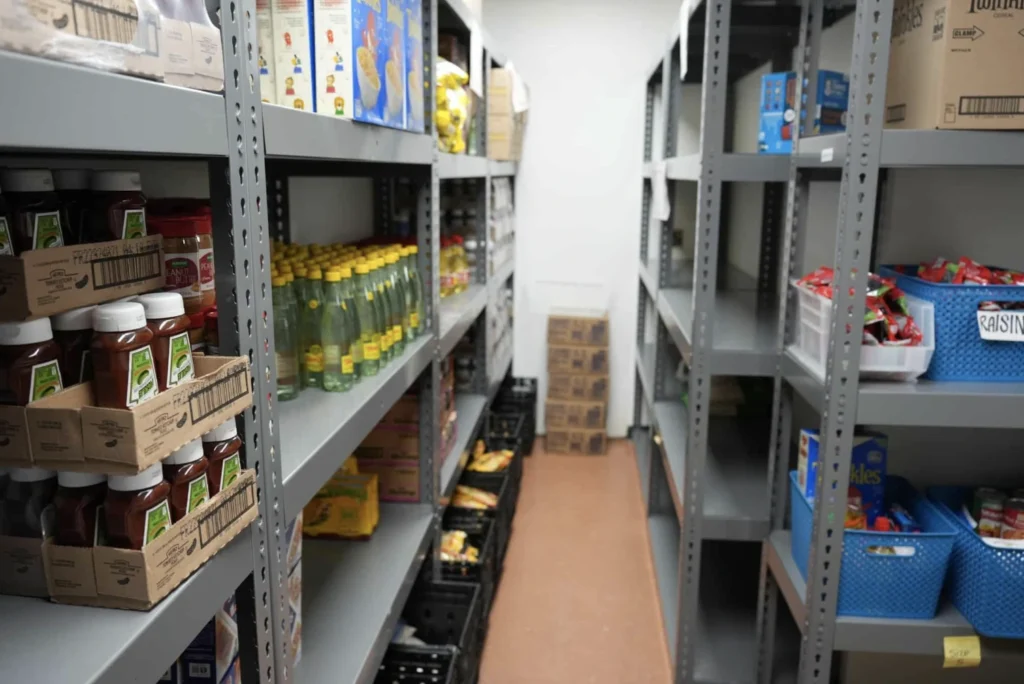
To prepare for SNAP delays, the Defender created the KC Food Resource Tracker, a one-stop map linking residents to food assistance, community meals, mutual-aid hubs, and local farms. They also organized a free winter clothing drive at their bookstore and hosted a Halloween movie night + food drive, turning their space into a hub of care, connection, and resilience.
285 South & Mississippi Free Press: Filling Critical Information Gaps
- 285 South published a guide to culturally specific food pantries across metro Atlanta—support that rarely appears in traditional media.
- Mississippi Free Press released a statewide food-aid guide to help families navigate shortages and find reliable assistance.
These outlets surfaced resources many residents would not otherwise have found, especially in communities long overlooked by traditional news.
Why This Work Matters to Funders
During the shutdown, community newsrooms delivered what local systems could not:
- Identified emerging needs early
- Activated networks of trust
- Provided essential, actionable information
- Served communities historically ignored by traditional media
This is journalism as civic infrastructure.
Where traditional media often cover crises from a distance, community media report from inside the neighborhoods most affected. Their proximity shapes what they see, what they prioritize, and the immediate utility of their reporting.
The Lesson From the Shutdown: Funding Community Media = Funding Resilience
These newsrooms didn’t wait for a government response. They acted—because their communities needed them.
For funders focused on equity, community resilience, and effective crisis response, the takeaway is unmistakable:
When systems break down, community-led journalism becomes essential public service.
Investing in these outlets strengthens the civic, informational, and social infrastructure communities rely on—not just in moments of crisis, but every day.