
News
El Tecolote reimagines journalism to deepen community connections
June 30, 2023
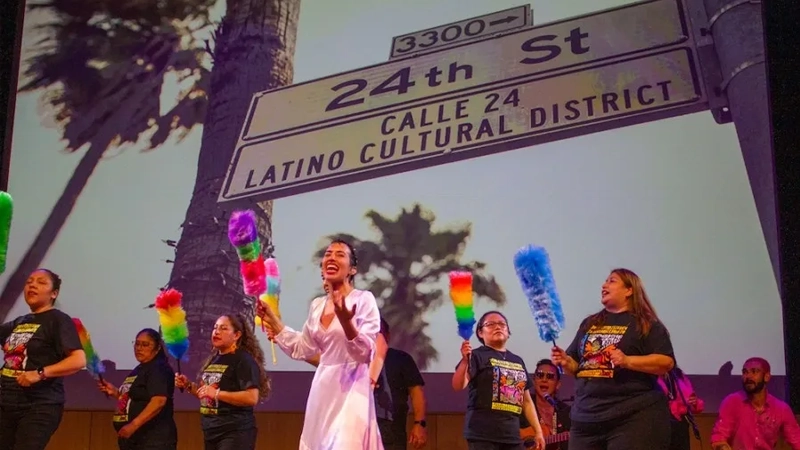
More than a dozen domestic workers and day laborers took to the stage in March to educate fellow community members about their rights, particularly around sick leave. The performance was part of a reporting series produced by El Tecolote Newspaper, one of the oldest news organizations serving San Francisco’s heavily Latino Mission District.
While nervous performers worried about missed lines, Fatima Ramirez, who leads El Tecolote as Executive Director of Accion Latina, saw the bigger picture. This was a representation of tías and tíos owning their narratives, and also presenting the information in a way that made it more accessible to those who need it most.
Founded in 1970 by journalist and professor Juan Gonzalez, El Tecolote was created to holistically reflect the experiences and perspectives of the Latino community, which is still often ignored by traditional media.
I first learned of El Tecolote when I led the Racial Equity in Journalism Fund. They caught my attention with their coverage of LGBTQ immigrants. I immediately knew I wanted to support the organization because of its work at the intersection of immigration, sexual, and gender identity.
Our relationship continued when I founded The Pivot Fund.
As one of several members of our publisher community, El Tecolote has received critical wrap-around support from Pivot, including connecting the newsroom to fundraising expertise and supporting them with hiring and recruitment. It’s one of the many ways The Pivot Fund works to impact newsrooms – and communities – that may not be grantees but are in our publisher network.
The performance on immigrant workers and sick leave, aptly titled The “Muxeres Keepers of Cultura (Womxn Keepers of Culture) was done in collaboration with San Francisco-based public radio station, KQED.
“It was a really beautiful way to be able to showcase the work that she’s already been building up with these folks,” Ramírez said of El Tecolote reporter Lorena Garibay’s published story that included several of the performers as sources.
Garibay’s work digs into questions about how the city’s new ordinance will be enforced. Her reporting is funded by the Solutions Journalism Network, a nonprofit that empowers newsrooms to provide communities with solutions to problems they face.
Bringing El Tecolote’s reporting off the page through artistic expression makes the newsroom’s work much more accessible to community members. This is especially true for low-wage domestic workers and day laborers who may or may not read or write well in Spanish, let alone English. Seeing the information about sick leave, its impact, and worker rights play out on stage through audiovisual storytelling is how Ramírez ensures El Tecolote’s reporting reaches the community the news outlet serves.
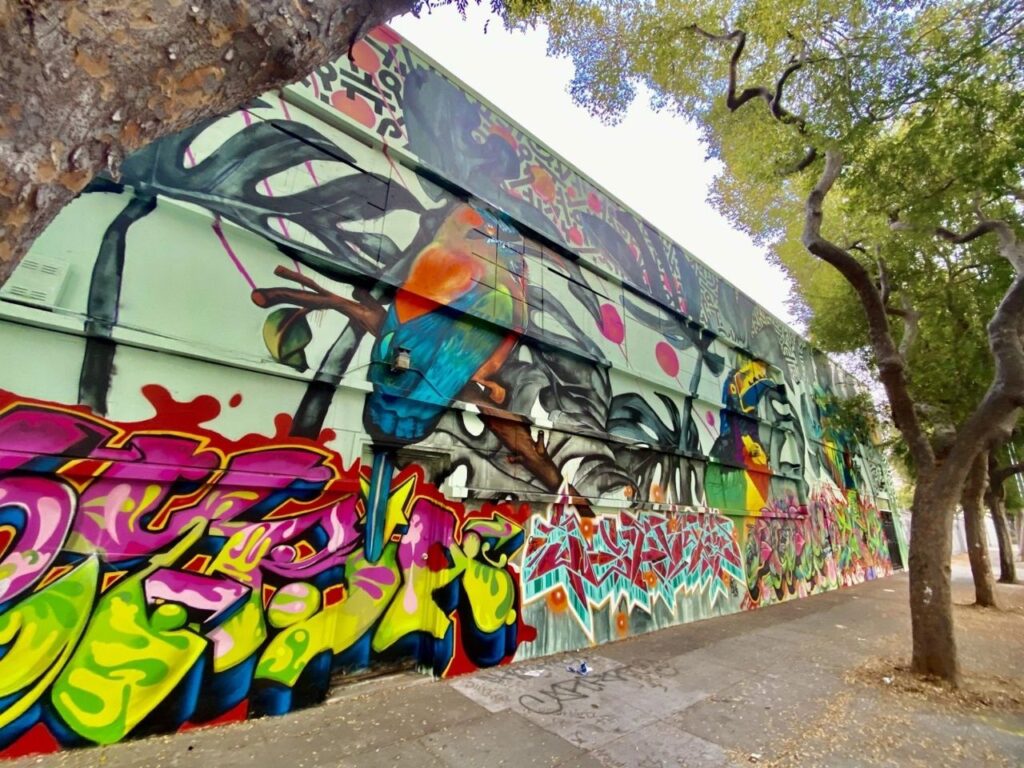
Since its founding, El Tecolote has done significant and innovative work at the intersection of art, journalism, and community building. The news outlet uses a variety of mediums, including print, radio, and video, to create informative and engaging stories. A few of the organization’s projects include an onsite art gallery, special arts issues, and enduring partnerships with local artists to host community events.
These events deepen understanding and explain important issues impacting the Mission District’s residents, many of whom most need quality, credible information. Information that is produced in the language they are most comfortable with and in ways that they can best understand it.
Ramírez said the outlet aims to serve as a platform to tell the nuanced stories of Latino identity.
“Who is the Latino community? There’s a big plurality, and what we try to challenge is that we’re a monolith, which is how we get covered in most other publications,” Ramírez said.
After more than 50 years of community integration, El Tecolote has earned deep trust, to the point that earlier this year, they were one of the first partners an artist called to collaborate to host a healing circle immediately after a shooting in the neighborhood.
“We’re not parachuting in here, talking about the tragedy, and then leaving. We’re here. We’re like on the block and we’re seeing everything as it unfolds,” Ramírez said. “The beauty that comes even in spite of tragedy, how people come together, and how again, oftentimes our artists are the ones leading those efforts to help us heal.”