
News
Democracy Doesn’t End on Election Day. Neither Should Our Investment
November 12, 2026
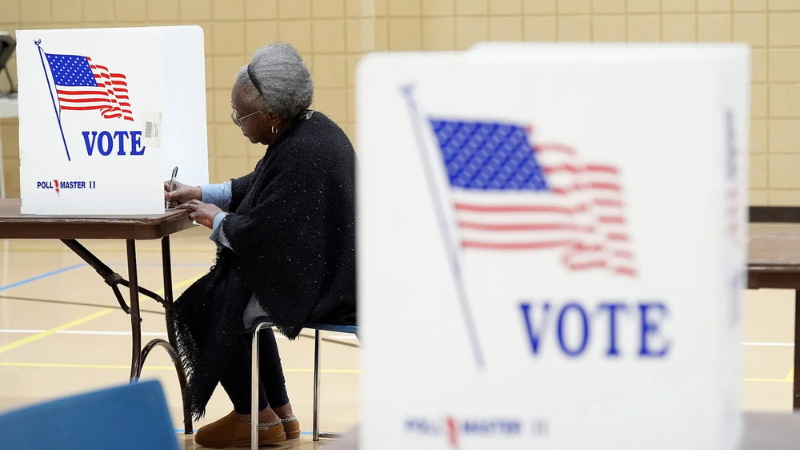
From changing state law in Mississippi to helping immigrant voters overcome barriers in Georgia, community newsrooms are demonstrating why trusted civic information deserves sustained philanthropic support.
In Mississippi, a community newsroom identified 138 polling-place changes and 18 errors that could have sent voters to the wrong locations during the November midterms. Its reporting helped voters find their precincts, equipped voting rights organizations with accurate information and alerted election officials to problems, including polling places inaccessible to voters with disabilities.
And this wasn’t the newsroom’s first victory. Years of investigative reporting by the Mississippi Free Press directly led to a change in state law in 2025, restricting polling-place changes within 60 days of an election.
The Mississippi Free Press is one of several community-rooted publishers supported by The Pivot Fund that did more than cover the Nov. 3 elections. They helped residents overcome barriers to voting, understand what was at stake and make their voices heard.
In Missouri, The Kansas City Defender produced an accessible voter guide and invited residents to identify priorities for newly elected officials. In Georgia, 285 South alerted voter support organizations when immigrant voters encountered language barriers and confusion over polling locations. Across six markets in the West, Radio Campesina delivered practical election information through trusted voices on radio, video and social media.
These weren’t simply election stories. They were examples of community journalism functioning as essential civic infrastructure. And they illustrate what sustained philanthropic investment can make possible.
Mississippi Free Press: Reporting That Removed Barriers and Changed State Law
The Mississippi Free Press’s investigation of polling-place changes identified 138 changes and 18 errors in election information that could have sent voters to the wrong precincts. Organizations including Fair Fight Action, Mississippi Votes and the Mississippi Center for Justice used the newsroom’s maps to help voters navigate potential confusion.
The reporting prompted election officials to correct some errors. The newsroom also investigated polling places that remained inaccessible to voters with disabilities, exposing failures to comply with federal accessibility requirements.
And the impact went beyond helping voters cast their ballots. Years of Mississippi Free Press reporting on polling-place changes directly led to a new state law in 2025 restricting such changes within 60 days of an election.
“Pivot’s support has helped us build this project out year-over-year to the point that it is so useful to so many this year,” said Donna Ladd, MFP’s executive editor.
This is what sustained investment in community journalism can accomplish: voters get the information they need, civic organizations become more effective, public officials are held accountable and laws change.
Kansas City Defender: Turning Information Into Civic Action
The Kansas City Defender published The People’s Ballot, a free, nonpartisan guide explaining candidates, ballot measures and local questions in accessible language and historical context.
After Election Day, its Defender Briefing explained the results and asked readers what they wanted elected officials to prioritize.
The Defender’s digital platforms reach an estimated 53.5% of Black residents in the Kansas City metro area. Its 2026 impact tracker reports more than 10 million views and impressions.
Its civic engagement work extends well beyond elections. The newsroom reports that a single dispatch generated more than 100 sign-ups for community defense training and its Rapid Response Network. It also trained students from more than 10 school districts in civic engagement, organizing and understanding their rights.
The Defender is building something larger than an audience: a community of informed residents equipped to participate in decisions affecting their lives.
285 South: Helping Immigrant Voters Navigate Election Day
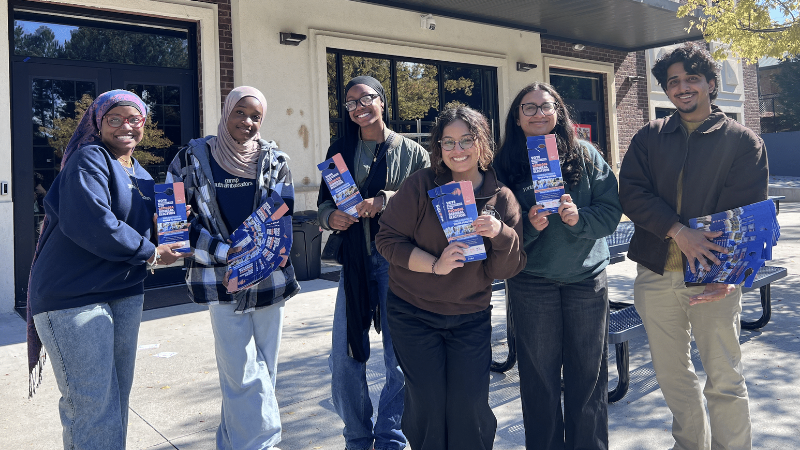
In metro Atlanta, 285 South helped voters overcome barriers in real time.
During its collaborative Election Day coverage, reporters identified voters arriving at the wrong precinct in Clarkston and others needing language assistance. The newsroom alerted voter support organizations, which dispatched election monitors and interpreters.
Before the election, 285 South interviewed candidates with immigrant backgrounds about immigration enforcement, public benefits and community safety. It also documented the issues motivating Muslim voters and community-led efforts to encourage participation.
For communities often overlooked by mainstream political coverage, 285 South provided something essential: trusted reporting grounded in their experiences, languages and concerns.
Radio Campesina: Reaching Voters Through Voices They Trust
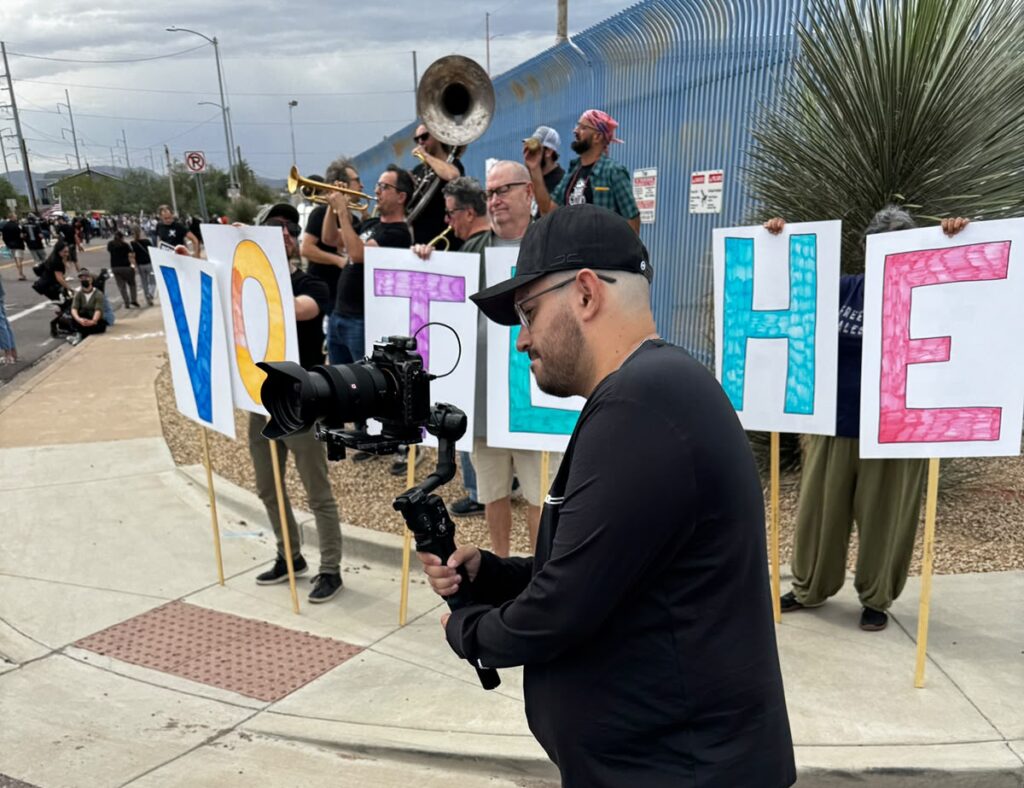
Through its nonpartisan Yo Aquí Cuento campaign, Radio Campesina delivered election information across six markets in Arizona, California and Nevada.
Preliminary reports documented approximately 47 interviews, coverage from more than 20 polling locations and participation by at least 10 community organizations. Reporters addressed questions about voting procedures, wait times and issues including education, immigration and the economy.
The campaign also engaged residents who could not vote, emphasizing opportunities to volunteer, share information and participate in community conversations.
By combining trusted on-air personalities with digital and on-the-ground reporting, Radio Campesina demonstrated how community publishers can reach people who might otherwise be excluded from civic conversations.
Hy-Lo News: Making Political Information Easier to Use
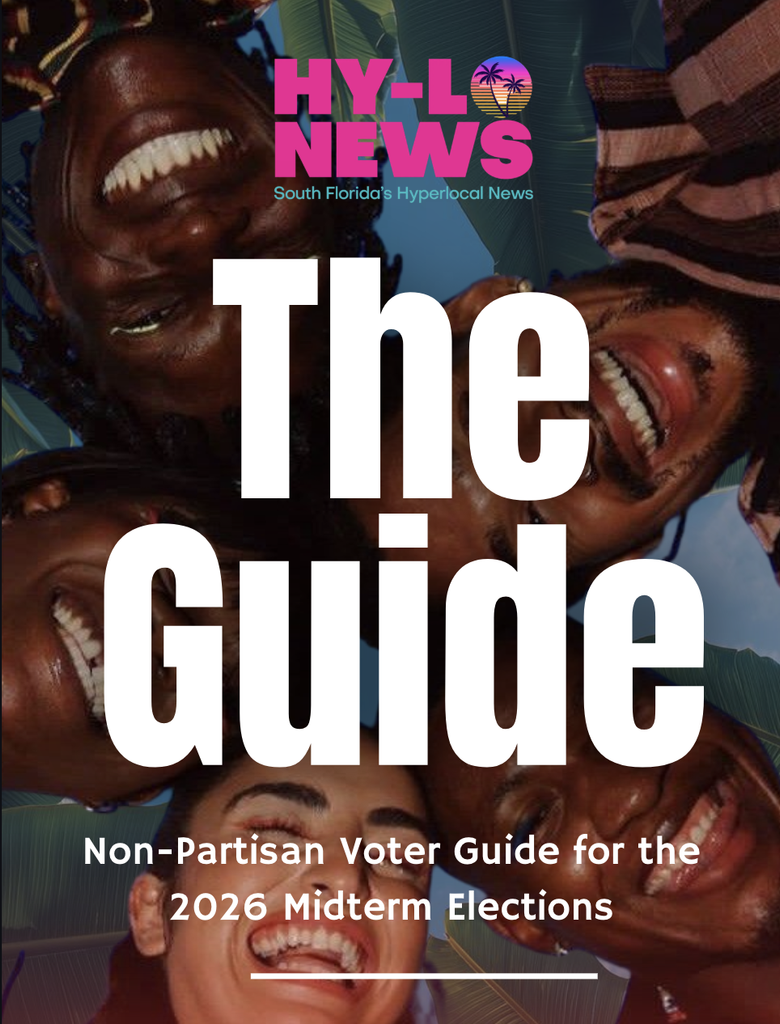
In South Florida, Hy-Lo News launched THE GUIDE, its first free, nonpartisan voter guide, featuring candidate comparisons, photos and profiles.
“I wanted something that let me compare candidates, put faces to names, and easily look them up when I wanted to know more,” said founder and publisher Janey Tate.
Hy-Lo also hosted Politics & Chill community forums, giving residents opportunities to discuss political issues beyond campaign advertising and partisan messaging.
The newsroom made civic participation more accessible by meeting residents where they are and making complicated information easier to understand and use.
The Other 364 Days Matter Just as Much
What made these efforts possible wasn’t a sudden burst of Election Day activity.
It was years of relationship-building, audience engagement, reporting and investment in publishers who understand their communities.
The Mississippi Free Press didn’t develop its election information project overnight. The Kansas City Defender’s civic education work extends well beyond election season. And newsrooms like 285 South and Radio Campesina maintain relationships that allow them to identify information gaps and respond when residents need help.
Yet too often, philanthropic attention to civic participation intensifies around elections and recedes once the votes are counted.
The needs don’t disappear. Residents still need to know whether elected officials are delivering on their promises, how public dollars are being spent, why local services are changing and how to influence decisions affecting their neighborhoods.
At The Pivot Fund, we’re investing in more than individual newsrooms. We’re helping build durable, community-rooted civic information infrastructure: the publishers, talent, technology, relationships and organizational capacity that allow trusted information to reach underserved communities year-round.
These election-season results offer a glimpse of what’s possible when community publishers have the resources to serve their audiences consistently.
Imagine what more of these newsrooms could accomplish with sustained investment.
We’re looking for philanthropic partners who share our commitment to strengthening this infrastructure, expanding its reach and ensuring that communities have the information and agency to shape their futures.
Election Day is one day. Democracy depends on what happens the other 364. Let’s invest accordingly.