
Resources
Covering Conflicts
October 21, 2023
As journalists, we are historians and the fourth pillar of democracy.
Our coverage has consequences, shapes narratives and sparks action. Our headlines will define this moment in time. Our words matter.
Covering conflicts, communities and countries with the care, respect and sensitivity they deserve is critical, and so is centering the voices of those most impacted. When we express the importance of cultural competency, it also pertains to foreign countries like Israel and Palestine and the people who live there.
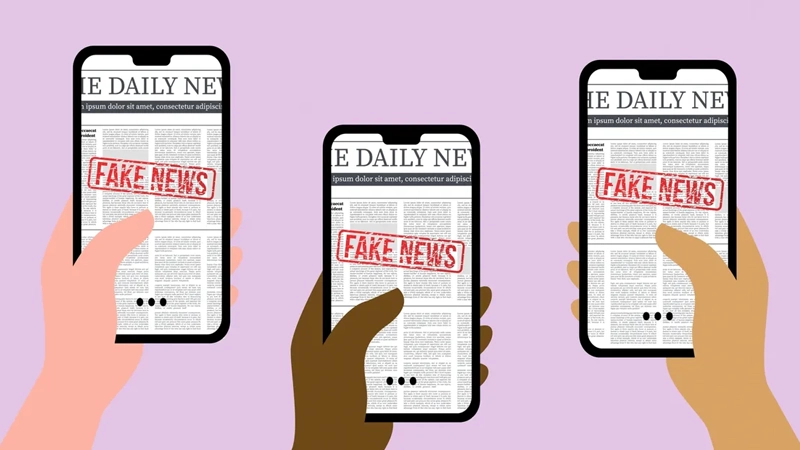
It’s our responsibility to fact-check, avoid spreading misinformation and disinformation, and not contribute to greater harm, including Xenophobia and Islamophobia.
Telling the truth matters, especially during times of crisis, which is why we amplify resources for better journalism. Below we’re highlighting resources and tools we hope improves coverage of the Israel-Hamas war.
Thank you to Subramaniam ‘Subbu’ Vincent, Director of Journalism and Media Ethics, Markkula Center for Applied Ethics at Santa Clara University, and Mythili Sampathkumar, President of the South Asian Journalists Association, for compiling information and tools to help us navigate this complex and complicated space.
Subbu shared a list debunking misinformation:
- CNN’s Donie O’Sullivan debunks some of the viral posts on X.
- To combat misinformation, the Bellingcat team has analyzed examples of misrepresented footage and imagery from the conflict.
Mythili shared reporting resources:
- The Arab and Middle Eastern Journalists Association’s media resource guide for Palestine and Israel
- Human Rights Watch’s resource page and Q&A on international humanitarian law governing the conduct of hostilities
- United Nations panel on media narratives about Israel and Palestine
- The Journalist’s Resource tips on how to cover antisemitism
We want to close this week’s newsletter by expressing our support for any colleagues personally affected by the conflict and sending our deepest sympathy to the families of journalists who have lost their lives while doing their jobs.