
Analysis
Courier Eco Latino Adapts Revenue Idea to Meet Community Needs
May 21, 2025
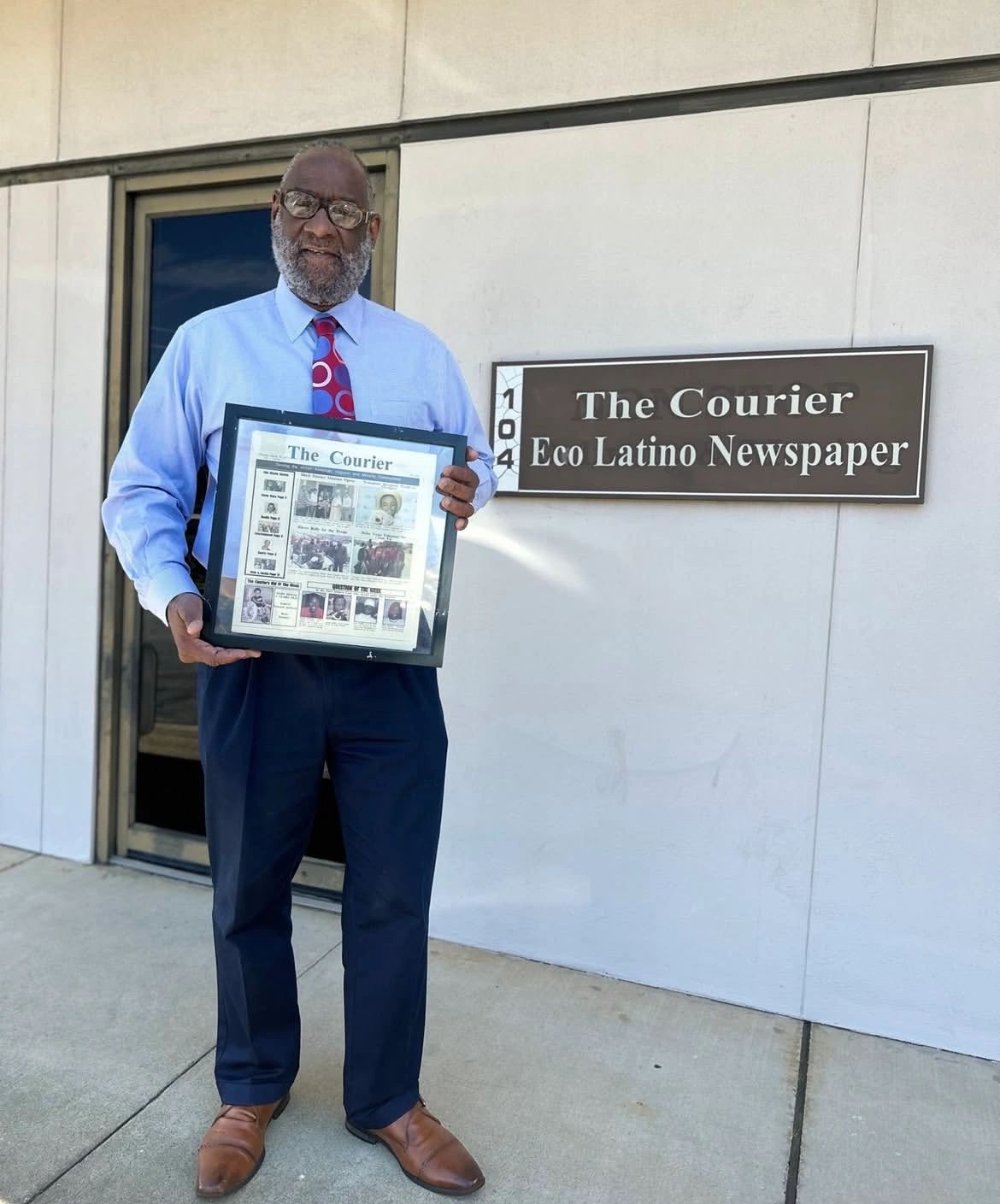
The Courier Eco Latino’s innovative approach to diversifying revenue through its obituary platform is paying off—but not in the way originally expected. Since launching the initiative in October, the Columbus, Georgia-based news outlet has shown that building sustainable revenue is about flexibility, creativity, and staying deeply connected to community needs.
Now partnered with more than half of the Black-and brown-owned funeral homes in the area—as well as 15 and counting local churches—The Courier Eco Latino is proving that a willingness to adapt can drive both service and sustainability.
Rethinking the Model to Serve the Community
The initial vision was simple: families would pay to post obituaries, memorials, and death notices on The Courier Eco Latino’s website. With three pricing tiers and add-ons like flower and memorial gift purchases, Publisher Wane Hailes projected the platform could generate more than $90,000 a year.
But the community didn’t engage with the platform as expected. Much like social media disrupted the classified ad business, it’s also changed how people share news of a loved one’s passing.
“Lots of people now use Facebook or social media to announce the passing of a loved one,” Hailes said. “Even though our rate was far below the $400 charged by the legacy paper in town, many families just weren’t willing—or able—to pay $100 for an obituary.”
Rather than abandoning the idea, Hailes did what community-centered publishers do best: he listened and adjusted.
A Community-First Revenue Model
The new model flips the original approach. Instead of charging families, The Courier Eco Latino now charges funeral homes a flat $350 monthly fee. In return, those funeral homes can post unlimited death notices—at no cost to the families they serve.
Four of the area’s seven Black- and brown-owned funeral homes have already signed on, and Hailes expects the rest to follow. The Courier Eco Latino is also expanding through partnerships with local churches. Through these churches, individuals can post a death notice for just $35 or a full obituary for $100—still far more affordable than legacy media options.
The updated model is projected to generate between $40,000 and $50,000 annually—not as much as initially forecasted, but far more sustainable and aligned with community needs.
Strength in Local Relationships
Hailes said early buy-in from funeral homes was crucial. The Courier Eco Latino hosted meetings and demos to show funeral directors how the platform worked—and how it could support both their clients and their businesses. That outreach, paired with a deep-rooted commitment to community, helped bring partners on board.
“We’re not just offering a product—we’re offering a way for people to stay connected and honor their loved ones with dignity,” Hailes said. “When we listened to our partners and adjusted the model, that’s when things started to click.”
The expansion to churches follows the same logic. Trusted institutions help spread the word, making the platform more accessible and culturally relevant.
And this is just the beginning. Hailes is now exploring partnerships with local Black- and brown-owned real estate agencies to promote home listings—possibly through home tour videos hosted on The Courier Eco Latino’s website and social channels.
The Pivot Fund’s Role
Behind the scenes, The Courier Eco Latino’s transformation was supported by The Pivot Fund. Hailes credits Chief Revenue Officer Justin Rushing with helping bring the obituary platform to life.
“Justin was instrumental,” Hailes said. “He ensured we had the support we needed. The Pivot Fund didn’t just fund us—they walked alongside us.”
Key Takeaways for Publishers
- Adapt When the Model Doesn’t Fit: When your original strategy doesn’t resonate, don’t be afraid to pivot.
- Build Strong Local Partnerships: Trusted businesses, churches, and institutions can extend your reach and deepen your impact.
- Prioritize Accessibility: Affordable, culturally sensitive services build trust—and revenue.
- Start Small, Then Scale: Innovation doesn’t have to be large-scale to be meaningful. Start where you are and learn as you go.
- Expand Your Value: Newsrooms can offer more than stories—think about the broader needs of the communities you serve.