
News
Consumers Flock to Community-based Nontraditional News Sources
November 17, 2023
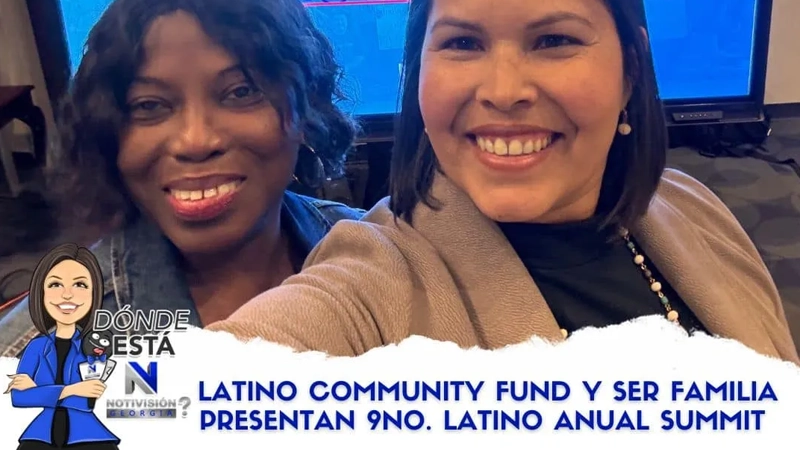
A recent Washington Post article, “Content creators surge past legacy media as news hits a tipping point,” spotlighted the swell of trained journalists and other content creators leveraging social media and messaging platforms to meet audiences where they are. The article also delved into the decline of trust, traffic, and advertising dollars to legacy media outlets as readers under 35 search for news sources that “feel more relevant.”
The Post profiled creators like Ameer Al-Khatahtbeh who earned a journalism degree from Rutgers University. The 25-year-old built a digital news brand, @Muslims, to produce news that resonates with young Muslims. He has over 5.3 million Instagram followers and over two million TikTok followers.
This phenomenon is not new.
Tracie Powell, The Pivot Fund founder and CEO, and Jean Marie Brown, The Pivot Fund’s Director of Research, Learning, and Evaluation, have been tracking these trends for a decade, publishing two white papers on the topic. In 2018, Powell penned “The Rise of New Jacks: How They Got Here, Where They Are, And Where They Are Likely To Go Next” for the Gates Foundation, highlighting Flint Beat, MLK50: Justice Through Journalism, and more.
On a local level, this research informs the way Pivot conducts landscape analyses, answering, “Where do communities of color get their news, and who do they trust?”
The need for accessible reporting that echoes community interests and voices, as well as the growth of these new news sites, is reflected in The Pivot Fund’s investment strategy.
During the first round of grantmaking, The Pivot Fund supported seven Georgia news organizations–all led by people of color– primarily scrappy, non-traditional one- or two-person operations in rural areas. Most relied on social media, notably Facebook, to disperse content and still do. However, the transformational investments helped these BIPOC-led organizations better impact the communities they already successfully served.
Among these grantees is Pasa La Voz Savannah, a Facebook page serving Spanish-speaking immigrants in Savannah, GA with coverage of everything from hurricanes to crime to community events. After the grant, publisher Elizabeth Galarza hired the editor-in-chief and sales manager of the Spanish-language outlet in neighboring Charleston, SC, and merged the publications. Now, Pasa la Voz Noticias has a website and a WhatsApp product in addition to a Facebook audience and convenes locals with in-person cultural community events that attract thousands of dollars in sponsorships.
The Post dived into the challenges of this changing landscape, including a lack of journalism training and ethics, editorial influence from special interest groups, and how easily disinformation spreads on the internet. Pivot deals with these challenges by finding news outlets that have already earned the trust of their community, then vets them to ensure they operate in line with journalistic principles and ethics.
Next year, Powell and The Pivot Fund team will continue their work with an expansion in the Midwest, conducting landscape analyses in several states including Michigan, Illinois, and Minnesota. We expect them to return with the first maps showing the future of local news.