
Analysis
How Carmen Robles Is Reimagining Local News in Minnesota
June 4, 2025
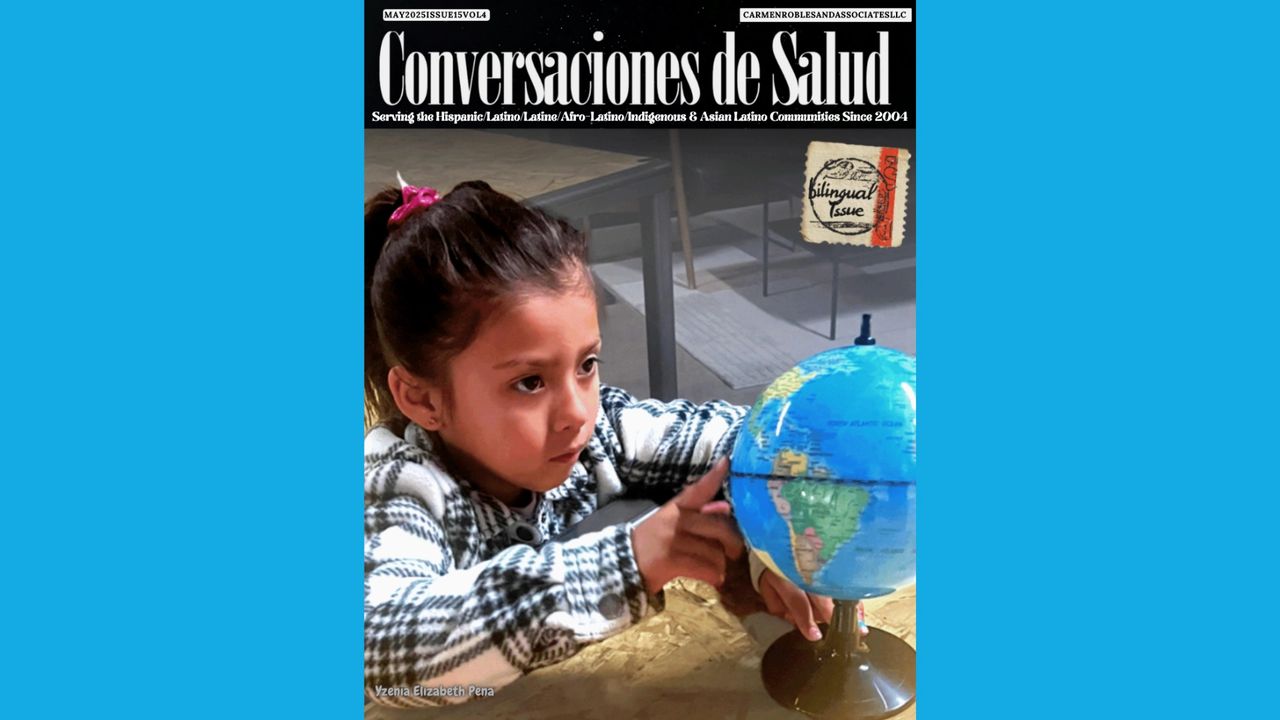
Carmen Robles never set out to be a journalist. Her life’s work has been rooted in community advocacy—fighting for health and education equality in Minnesota’s Latino communities. But when the COVID-19 pandemic laid bare just how deeply traditional media failed to reach her neighbors, Robles did what she’s always done: she stepped up to fill the gap.
The result? Conversaciones de Salud—a monthly, bilingual e-newsletter that delivers trusted, practical news on everything from fentanyl awareness and children’s mental health to civic information and cultural celebrations. It has grown to over 3,000 engaged subscribers since creating its current e-magazine format in 2022.
But for Robles, it’s never been just about sharing information.
“When the pandemic hit, people still needed information. And it needed to be in Spanish. But traditional media wasn’t showing up for our community,” she said. “So we had to build it ourselves.”
News Rooted in Community—and Culture
Latinos made up 6% of Minnesota’s population in 2023. Now, there are more than 300,000 Latino residents—and that number is projected to reach 500,000 by 2035. Yet many Latino residents say they feel invisible to mainstream media.
During listening sessions hosted by The Pivot Fund as part of the Minnesota News Landscape Analysis, Latino participants said their go-to news sources were often churches, construction sites, or WhatsApp group chats. Hyperlocal needs—like information on how to save on utilities, manage money, or navigate local politics—were going unmet.
“Local politics affects our day-to-day lives,” said Viviana Salazar, a Latino community leader in North Minneapolis. “People want news that helps them take action on the things they care about.”
Robles saw that need and met it with trust, cultural relevance, and pride.
“We’re not just producing stories. We’re telling our stories, in our voices,” she said.
Seeing Ourselves in the Stories
Each issue of Conversaciones de Salud is intentionally crafted to celebrate the diversity within Minnesota’s Latino communities. In early editions, Robles launched Esquina Latina, a section featuring flags and stories from Puerto Rico, Colombia, El Salvador, and other Latin American countries.
“Mainstream media paints us as one thing,” Robles said. “We show the truth: that we’re parents, business owners, students, teachers. We are the heartbeat of our neighborhoods.”
She drew inspiration from La Prensa, one of the nation’s earliest Spanish-language newspapers. Revisiting its archives, Robles said, felt like flipping through a family album.
“We let the community bring their stories to us,” she said. “That way, they see themselves in what we publish.”
Powered by Youth, Driven by Purpose
Nearly 40% of Minnesota’s Latino population is under 18, and Robles is making sure their voices lead the way. Her publication is written and produced almost entirely by youth contributors. One of them is just 8 years old.
Young people don’t just write the stories—they’re helping to build the future of Conversaciones de Salud. Robles often partners with local groups to train young journalists, and, soon, she plans to launch youth-led community kiosks that will serve as public hubs for civic information.
“The kids are pulling in their parents and grandparents,” she said. “It’s intergenerational. And it’s powerful.”
Building With Ganas, Not Budgets
Despite its reach and impact, Conversaciones de Salud runs on a shoestring budget. Robles borrows equipment, relies on shared space, and fuels everything with the kind of community drive she calls ganas—a word that translates loosely to grit, heart, determination and desire.
“We’re building the tracks as we go,” Robles said. “When I look at this beautiful magazine, I see what’s possible.”
The project now includes town halls, webinars, and community events where residents are invited to share their thoughts and feelings about their neighborhood. Those reflections are later used to develop stories.
“That’s what community media does,” Robles said. “It listens. It gives people a platform. And it moves them to act.”
A Blueprint for the Future of Local News
Robles’s story is part of a larger movement across the country, where community-rooted media makers are stepping in to rebuild trust, relevance, and resilience in local journalism. Their work isn’t just about reporting—it’s about care, connection, and collective power.
“As a community advocate, all I know is how to fight,” Robles said. “This journalism is just another way we fight for each other.”
5 Lessons from Conversaciones de Salud
- Build with the Community. Co-create your coverage. Invite residents to contribute their own stories and perspectives. When people see themselves in the work, they engage more deeply.
- Empower Youth. Young people are storytellers, leaders, and connectors. Invest in them and they’ll bring in generations.
- Reflect Cultural Pride and Nuance. Avoid one-size-fits-all narratives. Embrace the complexity of your community’s identities to build lasting trust.
- Partner for Greater Impact. Collaborate with schools, nonprofits, and local leaders. Shared missions create stronger outcomes.
- Lead with Ganas. Even with limited resources, creativity and commitment can build something transformational.