
Resources
Building Audience Beyond the Pulpit
September 11, 2021
Localization is the key to success for BIPOC legacy news media
For nearly a century, the Black press and Black churches working hand-in-hand to develop and serve Black men and women escaping or migrating North en masse and in need of learning about the best places to live, how to stay safe, where there were jobs to be had as well as news about families, friends back South. Today, the reverse is happening. Black men and women are willingly relocating to Southern cities, en masse, where the cost of living is more reasonable. But many Black newspapers, and Black churches for that matter, aren’t healthy enough to guide newcomers in helping them to get acclimated to their new cities. Nor are they reaching long-time residents with critical information in ways that would empower them to more fully participate in how their communities are being reshaped.
People — white, Black, and others — are flocking to Southern cities like Atlanta, Ga. for one simple reason, cost-effectiveness, said Nia Reed, a sociologist at Morehouse College in Atlanta where she has documented the effects of demographic changes on the city’s historically Black neighborhoods.
A plethora of Black churches, shops, and affordable housing have been torn down to make way for gentrifiers, mixed-use developments, and expensive condos. Not just in Atlanta, but in big cities, particularly those in the South. This is happening, in part, because long-time Black and Brown residents of cities don’t have access to the kinds of information they need to attend zoning meetings so that they can have more of a say about the changes happening in their neighborhoods, Reed said.
She added that newer residents get their information from apps like NextDoor and Neighbors — not print — where they learn about everything from crime to local events.

“Neighborhood shops were torn down for new and hot gastropubs and other kinds of restaurants. So people who have the opportunity to go to zoning meetings and to speak out against this kind of thing don’t know where to get that information,” Reed continued. “They don’t know how to find where to voice their opinion about what is coming into their neighborhoods because all of that information is on apps. Many folks who are older or have been in these communities for a long time haven’t ever relied on apps to get their information about what’s happening in the neighborhood. That used to be information that was disseminated through word of mouth at the church, hair salons, and other mom-and-pop shops that have now been removed. That information is now strictly disseminated digitally. What that does is reduce the number and demographic and diversity of people who have a voice in what happens in their community.”
Newer residents often don’t really get to know their new communities, including their histories, The kind of deeper, contextual information often produced in print by legacy Black and Brown news organizations, Reed said.
These demographic trends aren’t just impacting how BIPOC publishers should disseminate content but also present an opportunity for them to produce new kinds of hyperlocal information in a variety of different ways.
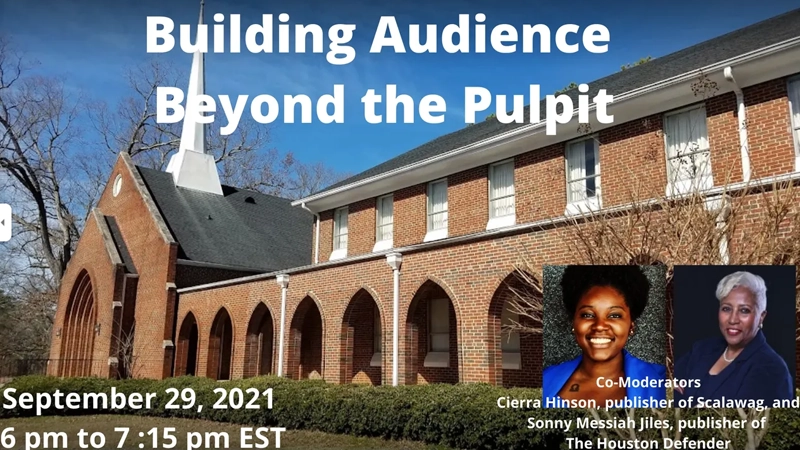
This month The Pivot Fund is hosting a webinar and idea swap on “Building Audience Beyond the Pulpit” that will focus on demographic changes in Southern cities and content strategies designed to better meet the information needs of a new marketplace and new audiences for legacy news organizations. This webinar is especially for legacy Black, Hispanic, and Asian American news outlets, but it is open to all.
The session will be co-moderated by Cierra Hinton, executive director and publisher of Scalawag, a magazine that targets oppressed communities in the South, and Sonny “Messiah” Jiles, publisher of The Houston Defender. In addition to Hinton and Jiles, the panel will feature Dr. Marisela Martinez-Cola, professor of sociology at Morehouse College, and Meena Thiruvananthapuram, a current audience development consultant and former global head of audience engagement for Bloomberg.