
Analysis
Past, Present, and Hyperlocal In Black Miami
April 2, 2025
Preserving the Past, Powering the Present: Black Miami-Dade’s Storytelling in Action
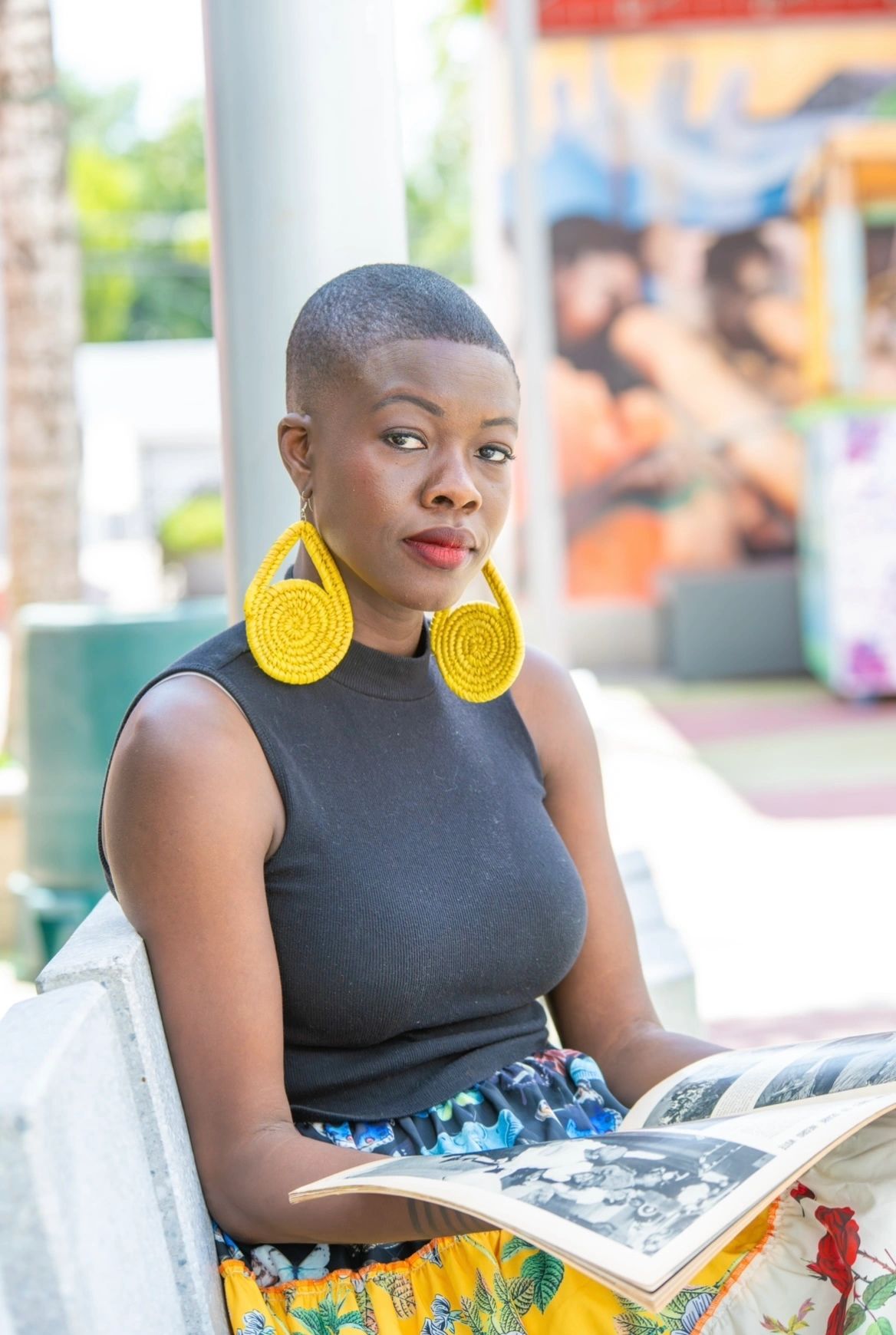
When Nadege Green walks into a space, she’s often carrying more than history — she’s carrying memory, identity, and community. Whether it’s salvaged archives from the now-closed Tap Tap Restaurant or oral histories of Miami’s Black LGBTQ+ residents, Green knows that local stories have the power to anchor people in place and possibility.
Through Black Miami-Dade, the public history and creative studio she founded, Green documents, preserves, and activates Miami’s Black history in ways that are accessible, personal, and participatory. Her work is rooted in the belief that storytelling can do more than reflect history — it can shape civic engagement, spark dialogue, and foster belonging.
That work has never been more urgent. In a time when history is being sanitized, banned, or erased from school curricula and public discourse, community-rooted storytelling is a form of resistance. Green’s exhibitions, zines, teach-ins, and digital archives meet people where they are — online, in galleries, in backyard gatherings — and invite them into conversation.
“Storytelling becomes reciprocal,” says Green, a former staff writer at The Miami Herald and reporter for WLRN Public Radio. “It’s my love offering to Miami, and the community offers that love right back.”
Green was born and raised in Miami’s Little Haiti and grew up around powerful storytellers who told diverse narratives that painted pictures of Miami’s rich, diasporic Black history.
Tap Tap Restaurant was once a hotspot for Miami’s Haitian exile community and would host fundraisers supporting the Haitian Immigrant Rights Movement in the ‘90s.
Tap Tap is now closed, but Green salvaged memorial documents honoring the life of Haitian writer Félix Morisseau-Leroy, who used Haitian Creole to write poetry and plays, along with tapes of his poetry from the restaurant’s office. She also found a booklet documenting an interview with an immigration attorney who fought for Haitian immigrants.
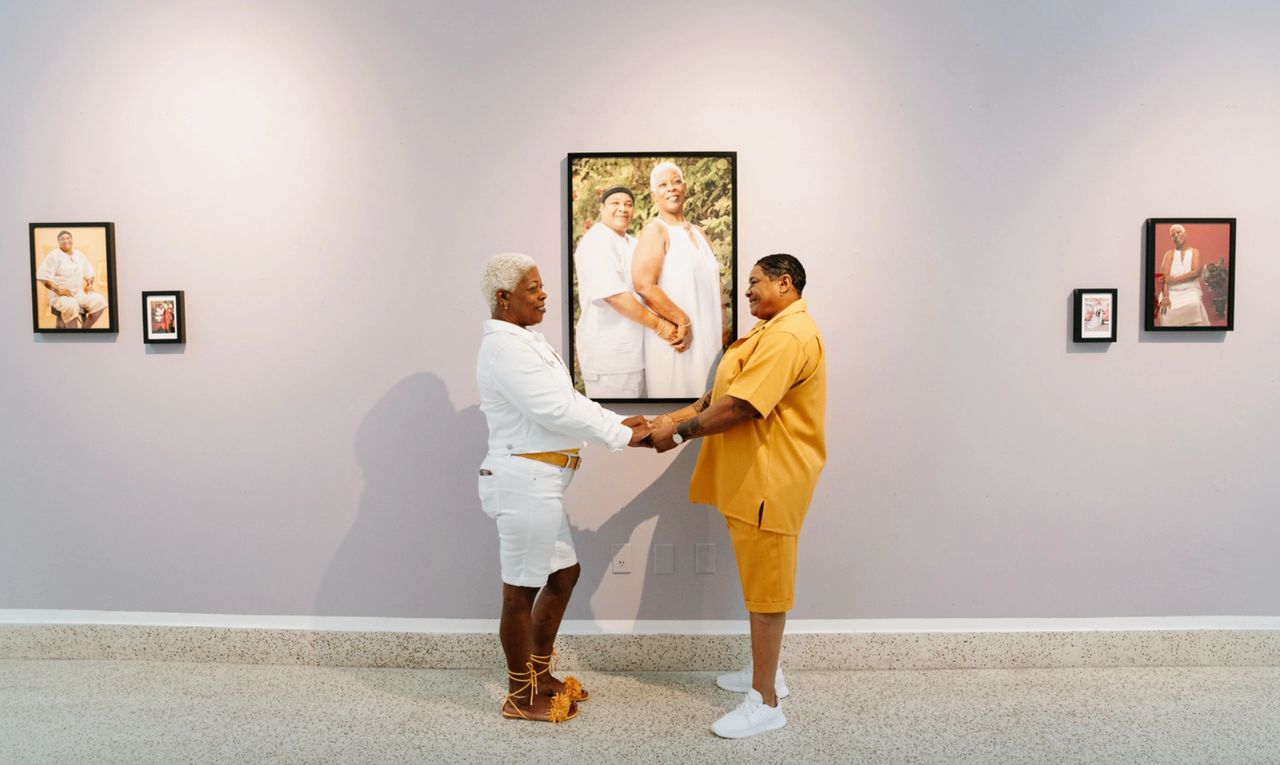
Her 2023 exhibition, Give Them Their Flowers, was the first to celebrate Miami’s Black LGBTQ+ history. It wasn’t just a gallery show — it was a space for people to remember their loved ones, write their own reflections, and learn about a past that’s often left out of mainstream narratives. These communal moments — like a teach-in built around a Langston Hughes poem or a zine on Josephine Baker’s civil rights work in Miami — model what it looks like to preserve history and make it feel alive, urgent, and tangible.
“Activating storytelling spaces isn’t just about access,” Green says. “It’s about engagement — about creating spaces that feel familiar and welcoming, where people see themselves in the story.”
Green supports much of her work through fellowships and creative fundraising events. She was a fellow at the University of Southern California Annenberg Innovation Lab, the inaugural Community Scholar in Residence at the University of Miami Center for Global Black Studies and was an NYU Center for Black Visual Culture distinguished writer/community activist-in-residence. Further, she has received an investment from New Media Ventures and hosts The Black Bookstore — a pop-up where people can shop curated selections of vintage Black books and ephemera.
Getting grants, Green said, has been challenging.
“I am hoping that now, more than ever, people put their money where their values are,” Green said… “We are consistently seeing how information has been under attack. I hope that funders are starting to better understand the importance of preservation work and why memory is so vital to democracy, civic engagement and to empowering communities.”
In a media and political climate that devalues nuance, flattens history, and de-centers marginalized voices, Black Miami-Dade’s work is a vital corrective. It shows how hyperlocal storytelling can build bridges, deepen understanding, and remind us that we all have a place in the narrative.
“There’s a real yearning,” Green says. “People want stories that feel close. They want to know where they fit.”