
News
Black by God’s Folk Reporters are rebuilding rural civic coverage in West Virginia
February 19, 2026
Across West Virginia, public decisions are increasingly made without journalists or residents in the room. Legislative committees meet. Boards vote. Agencies set policies that shape daily life. In many rural communities, no one is consistently there to witness and document what happened, and that absence is an accountability problem.
Pivot grantee partner, Black by God, is addressing that gap through its Folk Reporters program, a community-powered initiative that trains residents to cover legislative sessions and public meetings. Inspired by City Bureau’s Documenters Network, the program invites community members into the reporting process as civic witnesses.
“Witness” as civic infrastructure
For Black by God Publisher Crystal Good, the purpose is simple: witness.
“When citizens come into a room with a notepad or a recorder, it changes the room,” she said. Noting that officials behave differently when someone is documenting, and decisions become harder to obscure.
Just as importantly, participation grows. When a neighbor covers a meeting and shares it, it signals possibility: “If she can go, I can go. If she can write, I can write,” Good said.
In rural communities, where trust is often rooted in personal relationships, that visibility matters.
Closing rural coverage gaps
The program helps address barriers created by geography, limited broadband, long travel distances and inadequate public notice systems.
“There’s so many things happening in our state that are often so terrible, and there are simply not enough people to write about them,” said Folk Reporters Editor and Program Manager Ellie Heffernan. “I have tried to steer reporters towards beats that I know aren’t really getting covered enough.”
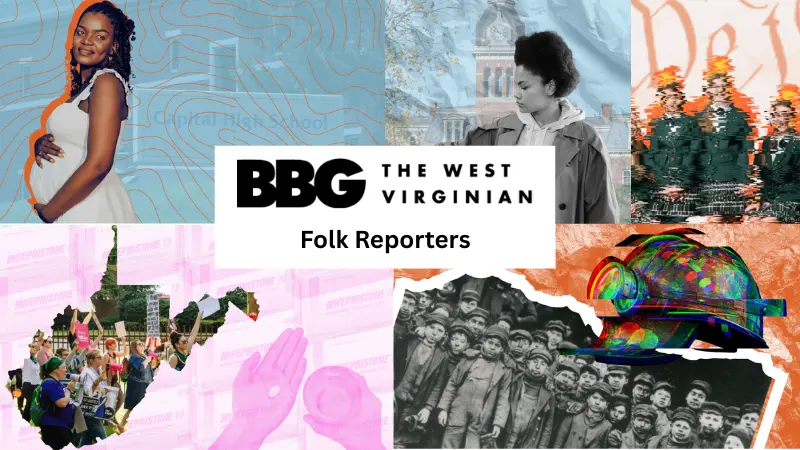
Recent Folk Reporter stories have covered proposals on maternity leave, abortion pill access, private school regulations, needle exchange program bans and a bill that could weaken child labor standards.
How the model works
Community members are recruited through open calls, newsletters and outreach. Participants complete training and verification before publishing. Heffernan provides live and recorded sessions, in-person workshops and hands-on editing.
“Every community has people who are maybe passionate about politics or interested in writing and telling these stories, and every community needs the infrastructure to teach those people and to mentor them,” Heffernan said. Participants who complete training receive $100-$150 stipends for assignments.
The approach adapts the Documenters model to rural Appalachia. As Lynelle Herndon, Detroit Documenters coordinator at Outlier Media, explained: “Each city is different, so they’re each going to face different challenges, regardless of whether it’s rural or urban. But when it comes to the work…we’re doing this for the people. We’re trying to share information and just teach people about local government and help them get their power back and use their voices.”
A practical blueprint for rural newsrooms
Folk Reporters offers a replicable model for rural publishers:
- Anchor coverage in public meetings
- Create clear training and verification pathways
- Invest in strong editing and mentorship
- Compensate contributors
- Collaborate instead of duplicating efforts
Sustaining and expanding the program statewide will require consistent funding for coordination, editing and meeting tracking. But Folk Reporters shows what becomes possible when communities become part of the newsroom: neighbors become witnesses, and the public record becomes harder to erase.