
Analysis
Baltimore Beat Scoops National Press on Deportation Case
May 7, 2025

When Kilmar Abrego Garcia was deported in a high-profile case that made national headlines, only one newsroom in Baltimore reported a critical detail others missed: that the government’s case relied on the testimony of a police officer deemed untrustworthy by a county’s state’s attorney’s office. That newsroom was Baltimore Beat. The story was reported by a freelancer and ushered through to publication by managing editor Sanya Kamidi — hired with support from The Pivot Fund — whose editorial leadership ensured the Beat broke the story first.
Kamidi’s work didn’t just elevate a key piece of reporting — it showed what’s possible when community-rooted journalists are given the tools, time and support to lead with integrity and impact.
“We’ve all established ourselves in Baltimore as much as we can, and the natural connections we’ve formed — as people first, not just as journalists — have really come back to help us,” Kamidi said. “That human connection is what builds trust. Our community sees us not just reporting on Baltimore, but caring deeply about it.”
A grantee of The Pivot Fund, Baltimore Beat is a powerful example of what happens when journalists who deeply understand their communities are equipped to serve them fully. With its initial round of funding, the Beat hired Kamidi as news editor and provided her with support typically reserved for legacy newsrooms. She was promoted to managing editor in March. That investment is paying off.
Under Kamidi’s leadership, the Beat has published stories that otherwise may have gone untold. In addition to the Garcia deportation story, the Beat recently broke news about a city leader with a long history of misconduct — including workplace complaints, sexual misconduct allegations and a domestic violence conviction. Readers immediately took notice, with one commenting: “This is a story that I know only the Beat would cover.”
Being able to produce this type of work, editor-in-chief and cofounder Lisa Snowden said, is a direct result of the community’s trust in the Beat.
“Trust is one thing we have already, but it helps to keep reinforcing that we’re here for our community,” Snowden said.
The Pivot Fund has invested $250,000 in the Black-led nonprofit newsroom, helping it grow as a community-centered alternative to The Baltimore Sun in a city that is nearly 60% Black. Over the past year, Baltimore Beat has seen a 60% increase in website traffic and raised $100,000 from monthly online donors.
Snowden founded the Beat in 2017 to tell the stories of a city often misunderstood and misrepresented. Born from the closure of the Baltimore City Paper, the Beat filled a critical void with investigative journalism, cultural reporting and community-first perspectives.
Kamidi’s deep alignment with that mission has made her an essential force in expanding the outlet’s reach and deepening its impact. Prior to working at the Beat, Kamidi was at the city’s legacy paper — The Baltimore Sun, where she said a lack of opportunities to pursue community-centric stories led to her decision to leave.
“You either get it or you don’t,” Snowden said. “And Sanya gets it. She watches and reads a lot of the other outlets that Pivot funds because she understands the way that we operate and meet the needs of our community… Sanya came to us knowing how to do that.”
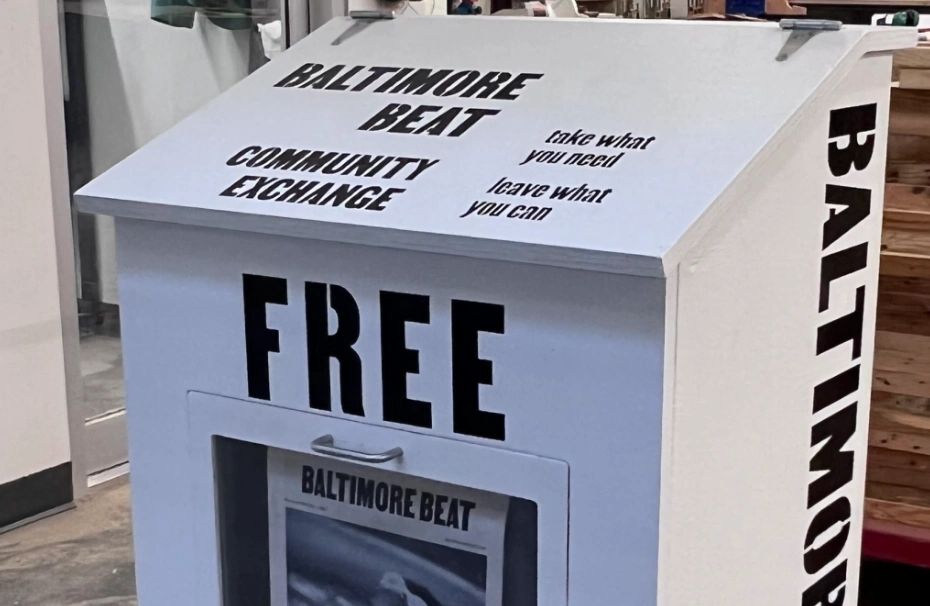
The support from The Pivot Fund has also given the Beat room to build. With financial stability, the newsroom has launched initiatives that bring journalism directly into community spaces. From its Beat Boxes Initiative, which transforms old newspaper boxes into supply stations for people in need, to a branded beer partnership with Peabody Brewery that helps fund editorial work, the Beat continues to find innovative ways to meet its audience where they are.
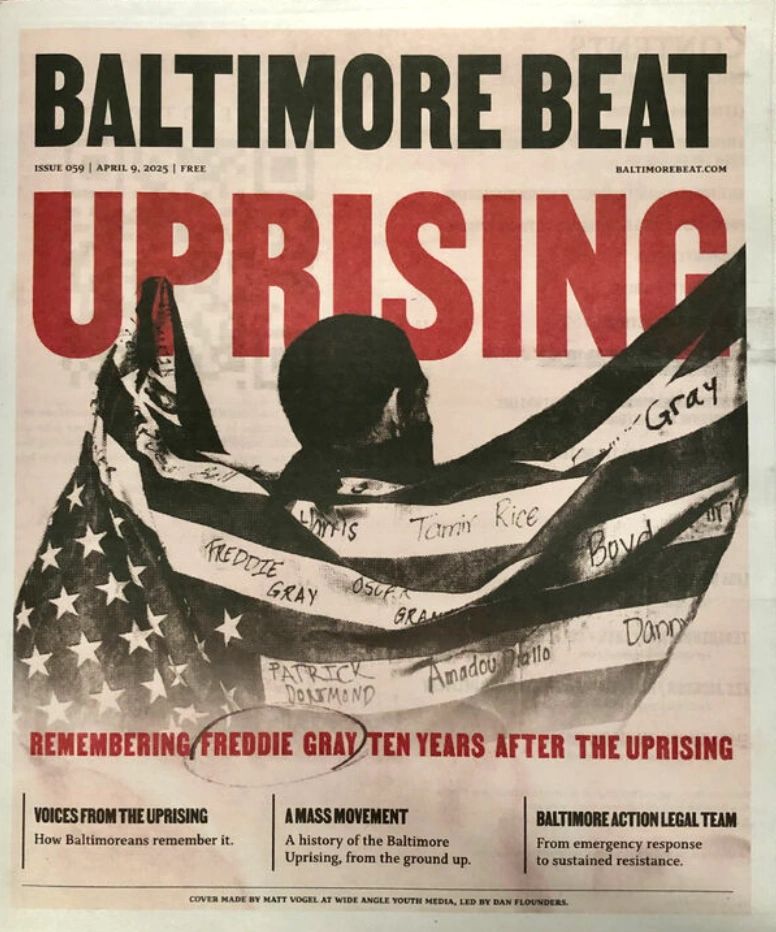
To mark the 10th anniversary of Freddie Gray’s death and the Baltimore uprising, the Beat partnered with the Baltimore Museum of Art to host public programming at Lexington Market — inviting residents to share memories, engage in dialogue and connect with local artists and advocates. An exhibit of images from the uprising, created with a local photographer, garnered coverage from multiple TV and radio outlets.
“People can’t even dream, or come up with ideas or figure out better ways to approach journalism or storytelling if they don’t have the security to do so,” Snowden said. “The Pivot Fund’s support has given us the security to be able to plan like this and figure out better ways to approach storytelling that truly makes a difference in our community.”