
News
Baltimore Beat Brings Strangers to the Table in a New Revenue Experiment
November 18, 2026
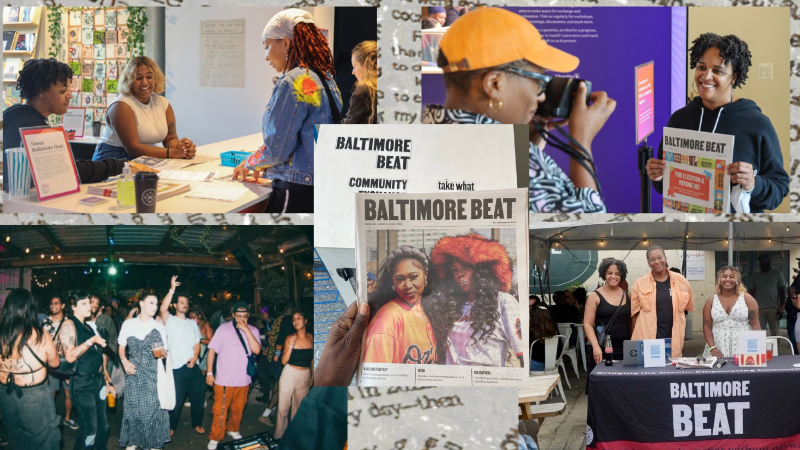
The independent nonprofit newsroom is testing ways to earn revenue by making it easier for Baltimore residents to meet their neighbors, promote a local business or honor someone they’ve lost.
Seventy-eight people signed up to have dinner with strangers. That was enough to fill 13 tables at four Baltimore restaurants for Baltimore Beat’s first Dinner Club, scheduled for Nov. 18. With the first dinner still ahead, residents were already asking when they could sign up for another.
The idea is simple. Diners pay $15.99 to sign up and answer a short questionnaire. A platform then matches them in groups of six and handles the logistics. With a few emails, text messages and social posts, Baltimore Beat recruited enough diners to project about $1,000 in revenue from the first event. Staff time was the newsroom’s only upfront cost.
The dinner grew out of a question that CEO and co-founder Lisa Snowden and Kimberly Griffin, who helps shape the newsroom’s revenue strategy, have been asking in different ways. What else could the Beat offer the people it already serves?
“You can’t have a successful revenue stream if you’re not building a community,” Griffin said.
Making room for more local advertisers

Some potential advertisers were already in Snowden’s inbox. Local businesses regularly sent announcements and story pitches, and those relationships gave Baltimore Beat a place to start when it launched pay-what-you-can advertising in February.
The Beat suggests $50 for small businesses and $300 for larger ones, with room for advertisers to pay what they can afford. So far, the program has generated $5,540 across 38 ad placements.
“One thing that I’ve really learned this year is how important networks are, and also how big our network is already,” Snowden said.
Traditional advertising covers about half of Baltimore Beat’s print production costs. The newsroom is building on that revenue with higher-priced options, including clearly labeled sponsored newsletters and digital placements through Broadstreet Ads. That gives a business buying its first ad and an organization with a larger budget different ways to reach the same local audience.
A place to remember someone
An obituary can be one of the few places where a family gets to tell the wider community about someone they loved. Baltimore Beat wanted more families to be able to afford to do that. An online obituary costs $5, a print death notice costs $99 and a premium print obituary costs $300. Families can also use the notice to direct memorial contributions to a cause their loved one supported.
“We wanted the obits to be a place where families could honor people with dignity and without paying an arm and a leg,” Griffin said.
Baltimore Beat has published one paid obituary so far. The obit was the third most-read story for the week it was published. The team plans to reach out to churches and other community organizations to help more families find the service.
In Georgia, fellow Pivot Fund grantee The Courier Eco Latino found a different way to pay for a similar service. When few families bought notices directly, the publisher offered funeral homes unlimited death notices for $350 a month. Four signed up, giving the outlet a source of recurring revenue.
Following through on what residents respond to
Baltimore Beat plans to hire a revenue associate in 2027 to expand outreach, build partnerships and grow earned revenue. That role will give the newsroom more time for the work each experiment depends on, from following up with local businesses to making sure churches know where to send families who want to publish an obituary.
The first Dinner Club sign-ups gave Baltimore Beat a quick read on how many people were willing to pay for a chance to meet someone new. The obituary drew readers and gave the team a reason to see what happens when more families know the service exists. Both give the newsroom something concrete to build on as it decides where to put its time.