
Analysis
Community Journalism in Action: AfroLA Steps Up Amid Disaster
January 16, 2025

When Dana Amihere (she/her) touched down in Los Angeles after a planned holiday break, she found herself returning to a city grappling with crisis. Fires had ravaged communities, forcing evacuations and leaving countless residents displaced. Within hours of her arrival, Amihere, founder and executive director of AfroLA, opened her home to a friend who had been evacuated.
“I came back to a disaster zone,” Amihere said. “One worker had to evacuate. Thankfully, their home is fine, but the air quality is terrible.”
AfroLA, founded in 2022, is not a breaking news organization. The digital news outlet focuses on solutions journalism, community impact, and accountability reporting. This approach has become even more critical as Amihere and her team navigate the aftermath of the fires, filling gaps left by traditional outlets.
“We’re not covering evacuation routes or fire containment updates—that’s not what we do,” she said. “We’re focused on impact, community, and asking, ‘Where do we go from here?’”
Amplifying Resources, Bridging Gaps
Amihere, a seasoned data journalist, designer, and developer with over a decade of experience, leads her team in addressing the inequities exacerbated by the disaster. AfroLA is working to provide resources for displaced families, particularly those in overlooked areas like Altadena and Pasadena, rather than focusing solely on affluent neighborhoods like the Palisades.
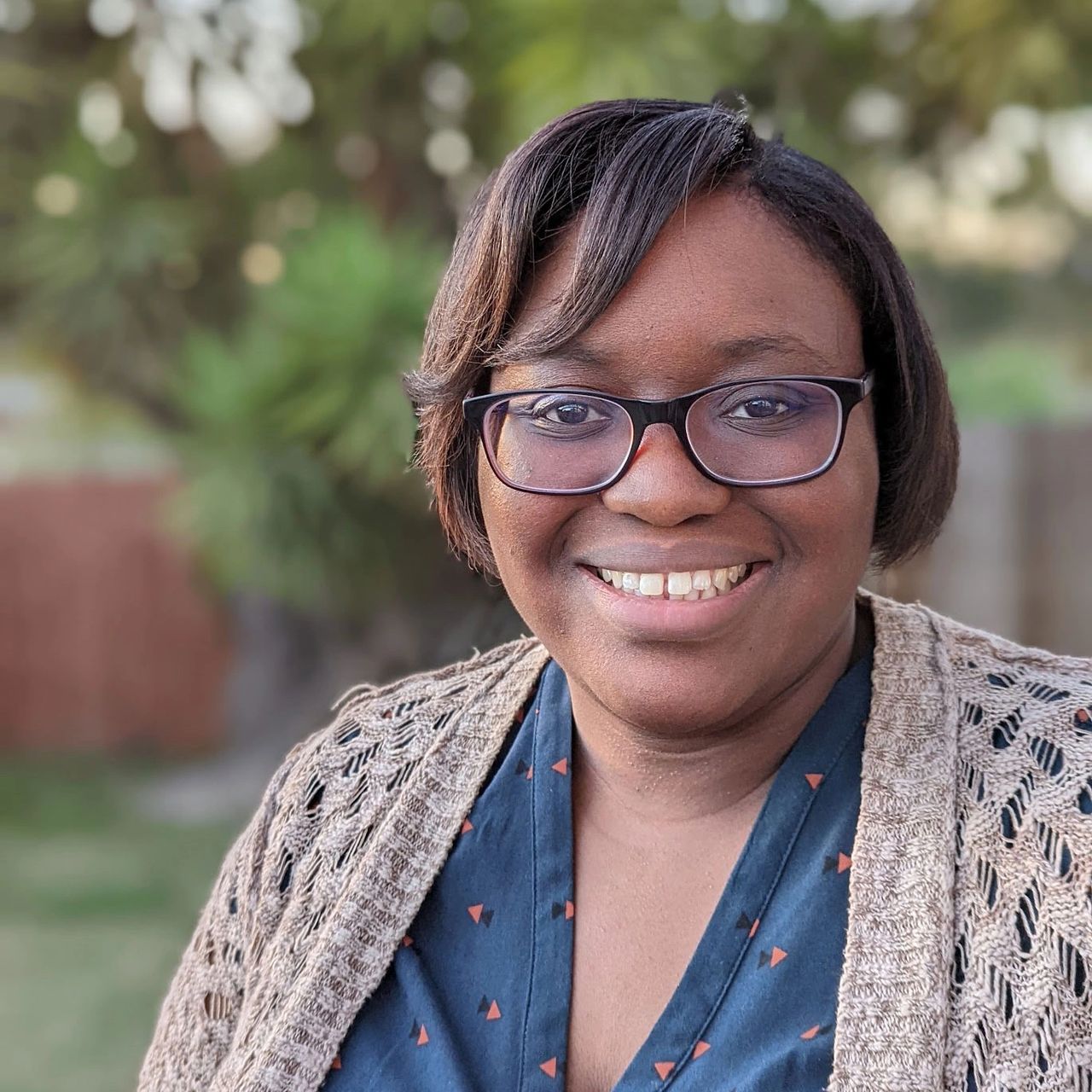
“There are families who have lost generational homes. People have no place to go back to,” she explained. “We’re connecting with our community network to figure out how to amplify resources so that others can access them.”
One example of these efforts is the creation of a centralized hub for disaster resources. Amihere’s team has scoured social media and community platforms to compile a comprehensive list of available aid, ensuring it reaches those in need.
“We saw someone from AfroPunk (an organization that celebrates Black culture and diversity through music, art, and community) create a Google sheet to help folks avoid predatory real estate practices,” she said. “We’re working on adding to that—whether it’s finding legitimate real estate contacts or connecting with volunteers who can assist with administrative tasks.”
Community at the Core
AfroLA’s coverage also highlights the disparities in how the disaster has impacted communities. While much of the mainstream media’s attention remains focused on high-profile areas, AfroLA prioritizes the stories of marginalized residents who are often left out of the narrative.
“We’re covering stories where people have said, ‘Nobody else has shown up,’” Amihere said. “We’ve seen churches in Pasadena with supplies but no volunteers for distribution. These are the stories and solutions we’re bringing to light.”
Despite the chaos, AfroLA remains steadfast in its mission to empower and inform. For Amihere, the work is personal. “I’ve seen these gaps up close and personal,” she said. “We’re going in 25 different directions, but this is what community journalism is about—showing up where it matters most.”
Through AfroLA, Amihere and her team are not just documenting the crisis—they’re an active part of the solution, proving the power of local journalism to uplift and unite communities in times of need.