
Analysis
How to Highlight Youth Voices in Your Next Election Voter Guide
September 23, 2024
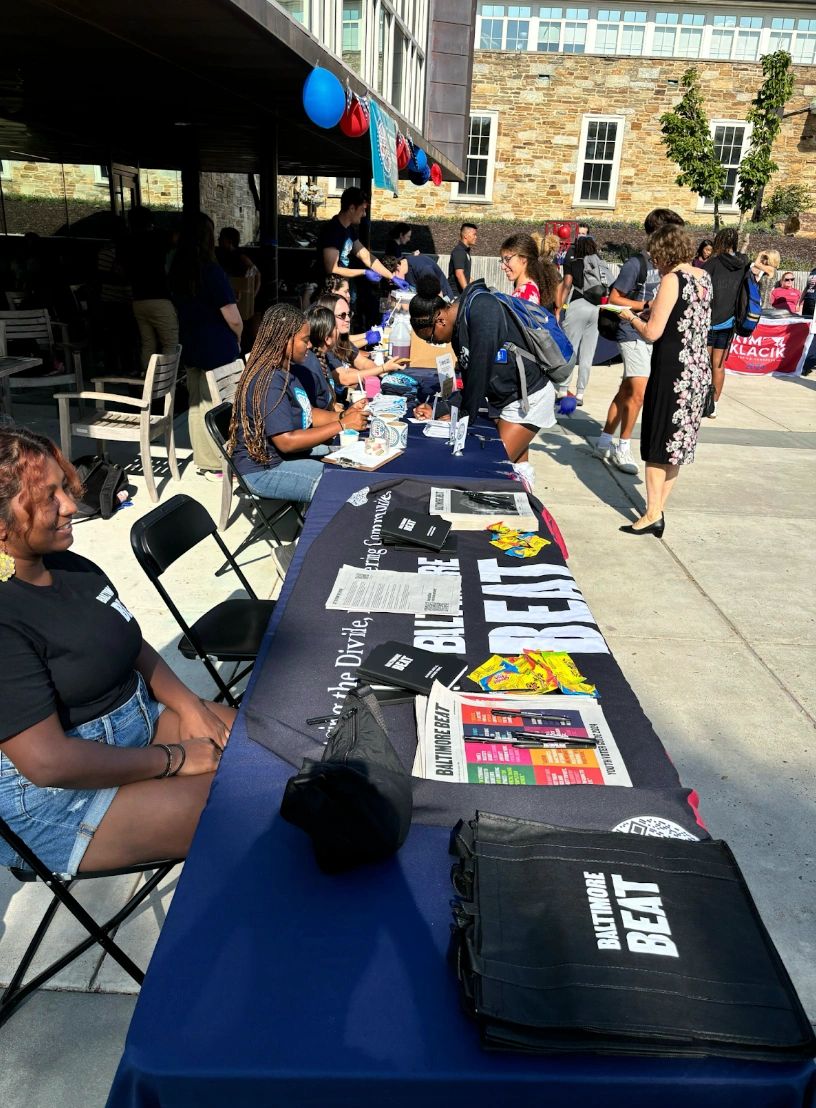
When we think about voter guides, they often focus on candidates and issues, but what if we turned our attention to young people? Baltimore’s initiative, led by Pivot Fund grantee partner Baltimore Beat and nonprofit Wide Angle Youth Media, offers a brilliant blueprint for bringing youth voices into the center of election discussions. The American Press Institute recently highlighted the voter guide.Here’s how you can follow in their footsteps and ensure young people’s concerns are part of your next voter guide conversation.
1. Identify Your Youth Partners
Baltimore Beat’s approach started by identifying a key partner—Baltimore Youth Arts, an organization deeply rooted in supporting system-impacted youth. If you’re creating a voter guide, start by finding youth-led or youth-focused organizations in your area. These groups understand the needs and perspectives of young people in ways traditional institutions might not. Building a relationship with these organizations can provide valuable insight into the issues that matter most to young people.
2. Create Space for Authentic Youth Voices
Baltimore Beat and Wide Angle Youth Media didn’t just consult young people; they actively centered their voices in the voter guide. This is crucial. When working with young people, don’t tokenize them or simply ask for feedback on a pre-written piece. Instead, offer them real decision-making power and a platform to share their own stories, concerns, and solutions. Whether through written articles, videos, or illustrations, make sure the guide reflects their voices authentically.
3. Highlight Key Issues That Matter to Youth
What issues are young people in your community most concerned about? In Baltimore, topics like public safety, housing, and education came to the forefront. These are often areas where young people feel the most direct impact, yet their voices are rarely heard. Ask your youth partners what issues matter most to them, and make sure these issues are prominently featured in the voter guide.
4. Use Formats that Appeal to Younger Audiences
The Baltimore guide didn’t just talk at young people; it used formats that engage them. They incorporated art and design created by youth, making the guide visually appealing and more accessible. Think about the formats that work best for young people in your community. Whether it’s short, engaging videos, infographics, or interactive online platforms, the medium can be just as important as the message.
5. Distribute Where Youth Are
One of the strengths of Baltimore’s voter guide was its accessibility. Instead of traditional newspaper or mail distribution, they got the guide into the hands of young people where they already spend time—whether that’s community centers, schools, or even social media. When distributing your voter guide, think beyond the usual outlets. Leverage digital spaces, collaborate with local schools, libraries, and community centers, and meet youth where they are.
6. Measure Impact and Continuously Improve
Finally, don’t let the conversation end after Election Day. Like Baltimore, where this initiative is part of an ongoing effort, find ways to keep youth engaged. Measure the impact of your voter guide by asking young people for feedback, tracking its reach, and making improvements for the next election cycle. Remember, this is an ongoing process that should evolve as youth needs and interests change.
Baltimore Beat’s and Baltimore Youth Arts’ voter guide is a powerful example of how to center young voices in civic engagement. By partnering with youth organizations, giving young people real decision-making power, and using creative formats, you can make your next voter guide a platform for youth-driven change. When young people see that their voices matter, they’re more likely to stay engaged—not just for one election, but for a lifetime.