
News
Philanthropy Intermediaries: Power, Challenges, and Potential
October 30, 2024
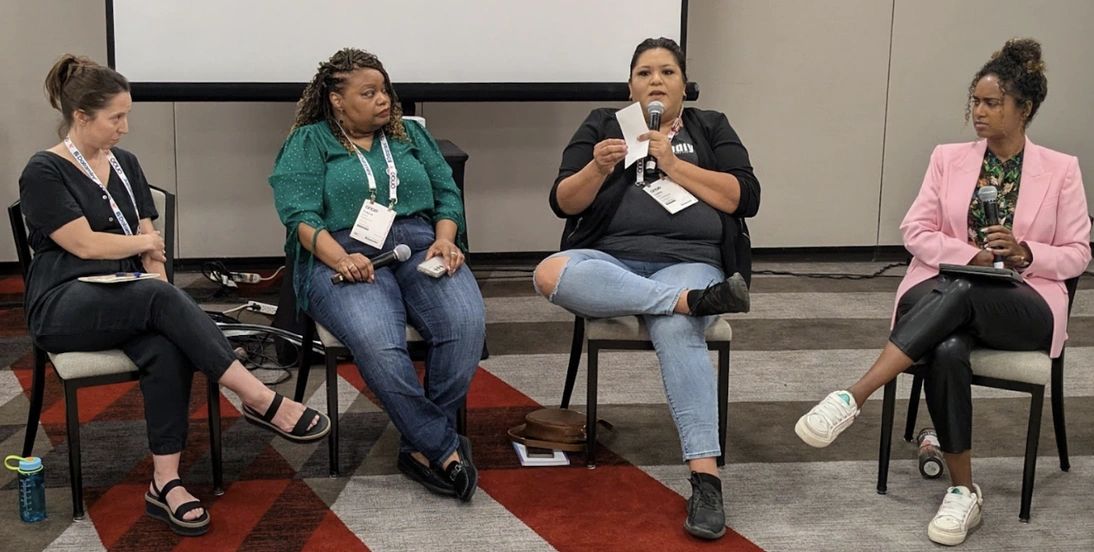
Philanthropic intermediaries have long served as bridges, directing funding from large donors to grassroots organizations, but questions remain about their effectiveness and true impact, specifically in the journalism field. The Pivot Fund’s CEO, Tracie Powell, acknowledged this complexity: “This invitation to talk about intermediaries… is kind of a controversial topic right now,” she noted. “There are a lot of feelings about intermediaries.”
The discussion brought to light the nuanced role of these organizations. While some intermediaries provide essential support for startups and underserved communities, others may unintentionally create obstacles by offering “microgrants” that fall short of addressing the actual needs of news outlets. As Luella Brien, founder of Four Points Media, expressed, “We have big plans, but we have no money.”
This reality is familiar to many in local journalism. Membership organizations offer valuable training and resources but often fail to supply the significant financial backing these newsrooms require. As Brien emphasized, “Even being part of those organizations, it’s still me existing alone, and I don’t feel supported.”
Carolyn Powers of Internews, another intermediary working globally to support journalism, stressed the importance of transparency and coordination among intermediaries: “There are a lot of assumptions about what organizations do, and we don’t always know what those offerings are. So, I’m looking forward to connecting with more people…”
The conversation underscored a core challenge: a misalignment between what local publishers genuinely need and what intermediaries typically provide. All too often, grants come in the form of workshops or small contributions that fail to support even basic operational costs. As Brien pointed out, “It doesn’t come down in the form of operating funds.”
Powell highlighted The Pivot Fund’s different approach: “We don’t provide those small microgrants,” she explained. “We do transformational [grants]… We’re centering the people and what they believe their newsrooms need and their communities need.”
This focus on transformational funding—prioritizing operational stability and long-term impact—is essential. When intermediaries emphasize sustaining grassroots journalism rather than short-term training programs, they become true partners in building resilient news ecosystems.
The conversation concluded on a hopeful note, with Powell expressing optimism that funders will soon align more closely with publishers’ needs. The takeaway? Intermediaries can indeed be powerful forces for positive change—but only if they engage directly with the real, lived experiences of those they support.
If you’re interested in reshaping philanthropy to better serve local news outlets, listen to the full episode and join us in championing sustainable support for community journalism.