
Analysis
Clean Water, Public Parks, and the Power of Rural News
March 26, 2025
The room was full of funders, but the heart of the conversation was all about community.
At the fifth annual Rural Equity Summit, Tracie Powell, founder of The Pivot Fund, joined Sarah Bignall, CEO of KAXE in Northern Minnesota, and Lindsay Ryder, director of the Integrated Rural Strategies Group, for a powerful discussion on the role of rural news and the communities working tirelessly to keep it alive.
They didn’t open with stats or trends—they started with stories.
Powell shared one that continues to resonate: a mother-daughter team based in Savannah, Georgia, producing deeply impactful reporting across surrounding rural counties. These two women, rooted in the community and committed to truth and justice, reported on a mobile home park where immigrant families were living without access to clean water.
“Thanks to their reporting, that community now has access to clean water connected to the municipal water supply for the first time,” Powell told the audience.
The story is a clear reminder of what local journalism can do—not just inform, but transform. Stories like this aren’t anomalies. They’re just underfunded and under-recognized.
KAXE has spent the past three years rebuilding its newsroom in northern Minnesota. That investment is already making a tangible difference, Bignall said. She recalled a story that uncovered local government plans to sell off a public park in Hibbing for a housing development, without proper community input.
“[The local government] was looking at selling off the park to do some housing over there,” Bignall explained. “There hadn’t been a lot of thought or community input into that, so we were able to do reporting that this was happening—and that actually got the community involved.”
That reporting sparked action. Residents organized, raised their voices, and successfully negotiated a new plan: the housing development would move elsewhere, and the public park would remain accessible to the community.
Throughout the panel, the message was clear—access to timely, trusted, community-rooted information is essential to a functioning democracy, especially in rural areas.
“We know from the last election what it means when the information doesn’t get to the people who need it most,” Powell said. “But there are also opportunities right now—and those opportunities are represented by the kind of grassroots community news and information that’s already happening.”
The stories shared at the summit weren’t just examples of good journalism—they were blueprints for how rural communities are creating change from the ground up.
Rural communities aren’t waiting to be saved. They’re telling their own stories, solving their own problems, and building their own futures. Philanthropy just needs to show up—and put resources where they matter most.
This work is urgent, powerful, and already in motion. The question Powell asked left the room with a simple but important question: “Are you ready to invest in the people who are already doing the work?”
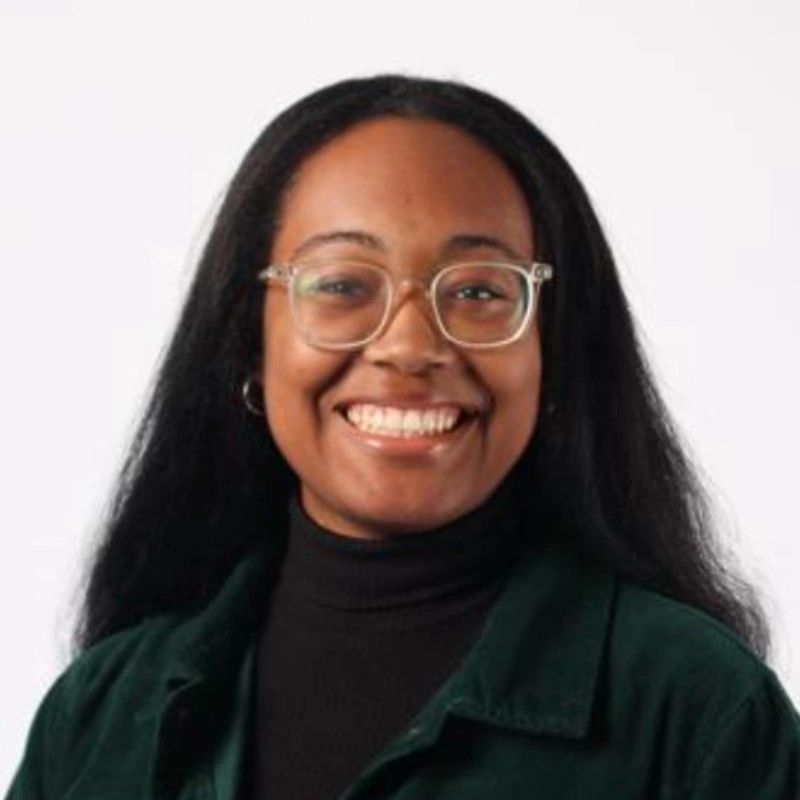
Averi Caldwell is a graduate student at The University of Georgia, where she is pursuing a master’s degree in journalism and mass communication. She also earned her bachelor’s degree in journalism from UGA, with minors in English and Spanish. Originally from Griffin, a small town about two hours south of Athens, Averi brings a deep appreciation for storytelling, language, and community to her work in media.