
Analysis
What Selling My House Revealed About How Our Industry Values Us
April 10, 2025
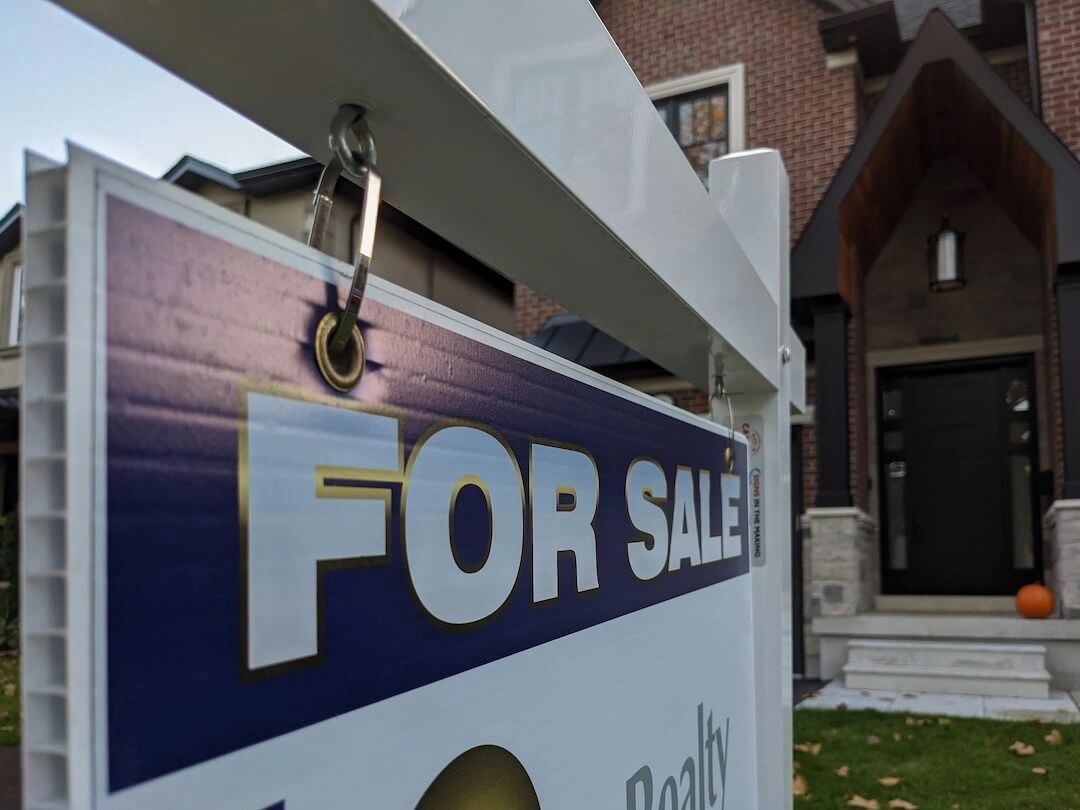
Last spring, I put my house on the market and got a crash course in valuation—not just in real estate, but in journalism too.
Like many of you, I’ve poured time, money, and love into my home. My neighborhood is one of those quietly transforming American suburbs, shifting from mostly white public-sector workers to a vibrant mix of Black and white families and Latino, African, and Asian American immigrants—many of them professionals and members of the growing middle class.
So when I listed my home around the same time as a white woman down the street—whose house had less square footage and fewer amenities—I was shocked to see her valuation come in $100,000 higher. Her house sold. Mine didn’t (not at the price I wanted). I pulled it off the market.
That experience was painful. But it also reminded me of something I know all too well as a publisher: these disparities aren’t random. They’re baked in.
The racism baked into U.S. home valuation practices—going all the way back to redlining maps from the 1930s—is mirrored in the way journalism and philanthropy still undervalue Black and Brown audiences and the people who serve them.
As publishers of color, we know the story: newsrooms abandoned our communities decades ago, chasing white flight to the suburbs and building ad-driven strategies that excluded us. The Kerner Commission rang the alarm in 1968. But 50+ years later, the structures haven’t changed much. Even now, most journalism funding goes to white-led organizations. Less than 6% of grants support outlets serving communities of color. And in digital media, algorithmic bias ensures that ad revenue disproportionately favors white audiences.
What Can Publishers Do?
We can’t wait for others to recognize our value—we have to build power together and set new standards for what equitable journalism looks like. Here’s how publishers, especially those of us leading BIPOC-owned or -serving outlets, can push forward:
- Collaborate and invest in each other. Build alliances with other BIPOC-led media outlets. Share resources, co-produce content, cross-promote, and—when possible—pool funds to support freelancers, tools, or initiatives that benefit multiple organizations.
- Redefine success on your own terms. Traditional media metrics often miss the real impact we’re having. Track engagement that matters—trust, relationship-building, civic action—and educate funders and partners about why those metrics count.
- Center your community in ownership and decision-making. Whether through advisory boards, co-ops, or other models, create structures that make your audience part of the newsroom—not just consumers of content.
- Be vocal and visible about funding inequities. When you see disparities in who gets support, say something. Compare notes with other publishers. Push for funder accountability, not just privately, but collectively and publicly when needed.
- Build for sustainability, not survival. Prioritize business models that allow you to grow on your own terms—whether that’s events, memberships, services, or other creative revenue streams.
I didn’t get the sale I hoped for with my house—but I got clarity. Whether it’s in real estate or journalism, we cannot allow others to define our worth. We’ve always known our communities matter. We see their complexity, their resilience, and their power. What we need now is investment that matches that truth.
Let’s keep building, and let’s keep demanding what we deserve.
Read a separate piece I wrote for Poynter on this same subject as a message to funders.
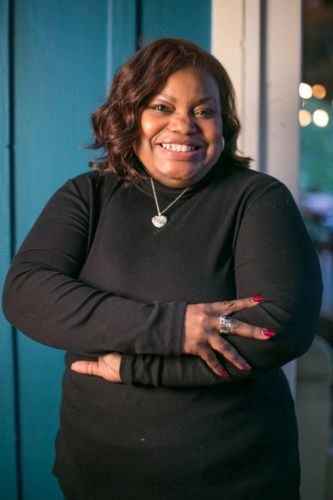
Tracie Powell is the founder and CEO of The Pivot Fund.