
News
Enlace Latino NC’s Trusted Immigration Guide: A Model for Impact
May 28, 2025
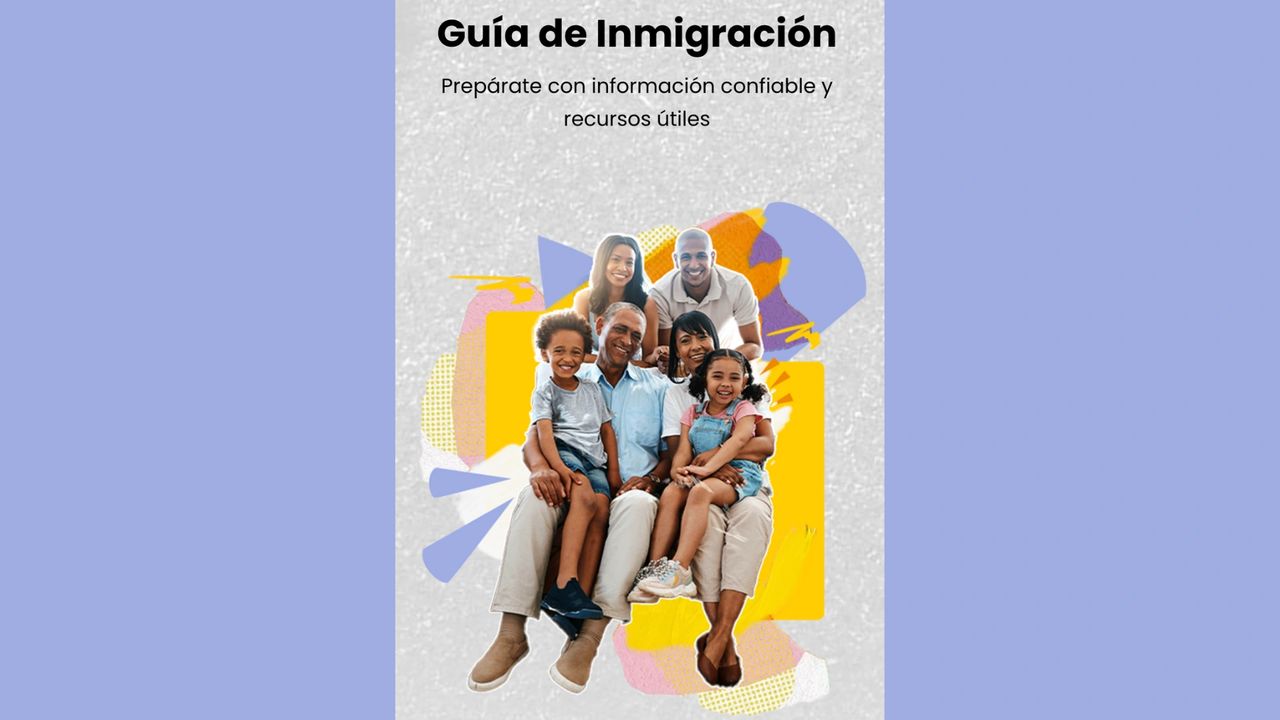
At Enlace Latino NC, journalism isn’t just about reporting the news—it’s about delivering answers when people need them most.
Since 2018, the nonprofit digital newsroom has served North Carolina’s Spanish-speaking immigrant communities with deeply reported, public service journalism. And its latest offering—a Spanish-language Immigration Guide—isn’t just a resource. It’s a lifeline.
The guide breaks down confusing, fast-changing immigration policies into clear, actionable steps: what to do if ICE shows up, how to make a family plan, where to find trustworthy legal aid and mental health support. It’s mobile-first, community-tested, and built with input from immigration lawyers, local advocates, and people directly impacted.
And here’s the most important part: It didn’t come from a newsroom brainstorming session. It came from listening.
“Community engagement is at the core of everything we do,” said Enlace Latino NC co-founder and executive director Paola Jaramillo. “Our goal is simple but powerful: to build two-way communication with North Carolina’s Latino community and use that relationship to guide every aspect of our journalism.”
Why This Guide Works—and What It Can Teach Us
The idea for the Immigration Guide came straight from the audience—via WhatsApp threads, SMS campaigns, newsletters, in-person forums, and listening sessions. Enlace Latino NC didn’t guess what people needed. They asked.
The result is service journalism at its most practical—and powerful. It’s earned praise for being accessible, clear, and usable. But more than that, readers said the guide has given them a sense of empowerment and peace of mind.
“Many people in our community don’t trust official sources or lack access to clear, straightforward information in Spanish,” Jaramillo said. “This guide fills that gap and serves as a bridge between the community and its rights.”
Turn Your Reporting Into Tools
This isn’t new territory for Enlace Latino NC. Over the years, they’ve created digital guides for election info, hurricane recovery, agricultural workers’ rights, Medicaid expansion, and more. The process is always the same: Listen first. Build second.
Here’s a sample of what they’ve done:
- Election guides for primaries and general elections
- Prepárate NC: Disaster preparedness resources
- Medicaid Expansion Guide: What’s changing and how to access care
- Hurricane recovery help and agricultural worker resources
The takeaway for other newsrooms? Your reporting already contains the building blocks of community service. Pull out the most asked questions. Identify the themes that won’t go away. Turn stories into tools people can use—right now.
“A key tip is to approach content creation from a service mindset—not just an informational one,” Jaramillo said. “Ask: How can this story help solve a real problem in the community?”
Trust is the Return on Investment
These guides aren’t direct revenue drivers—but they’re building something just as critical: trust.
And that trust is opening doors — creating opportunities for partnerships with legal aid organizations and immigrant advocacy groups, while also showing potential funders how journalism can empower and serve the community. That’s not just a journalism win; it’s a sustainability strategy.
“We’ve become more than a publisher,” says Jaramillo. “We’re a source of real, actionable help—and our community knows it.”
Publisher Tips: Build Your Own Guide
If you’re looking to deepen your newsroom’s relationship with its audience, here’s how to start:
- Spot the gaps. What’s your community still asking, even after you’ve reported a story?
- Don’t wait for a crisis. Build tools before the headlines break.
- Engage early and often. Use text, polls, WhatsApp, or in-person forums to ask what people need.
- Repurpose your reporting. The hard work is done—reframe it as a resource.
- Bring in experts. Partner with lawyers, counselors, or organizers to make your guides accurate and actionable.
Enlace Latino NC’s model proves that listening builds trust, and trust builds resilience. In a time when newsrooms are searching for stronger audience ties and real impact, this is the kind of journalism we need more of.