
Resources
Boost Your End-of-Year Fundraising Campaign: Lessons from Community Publishers
November 12, 2026
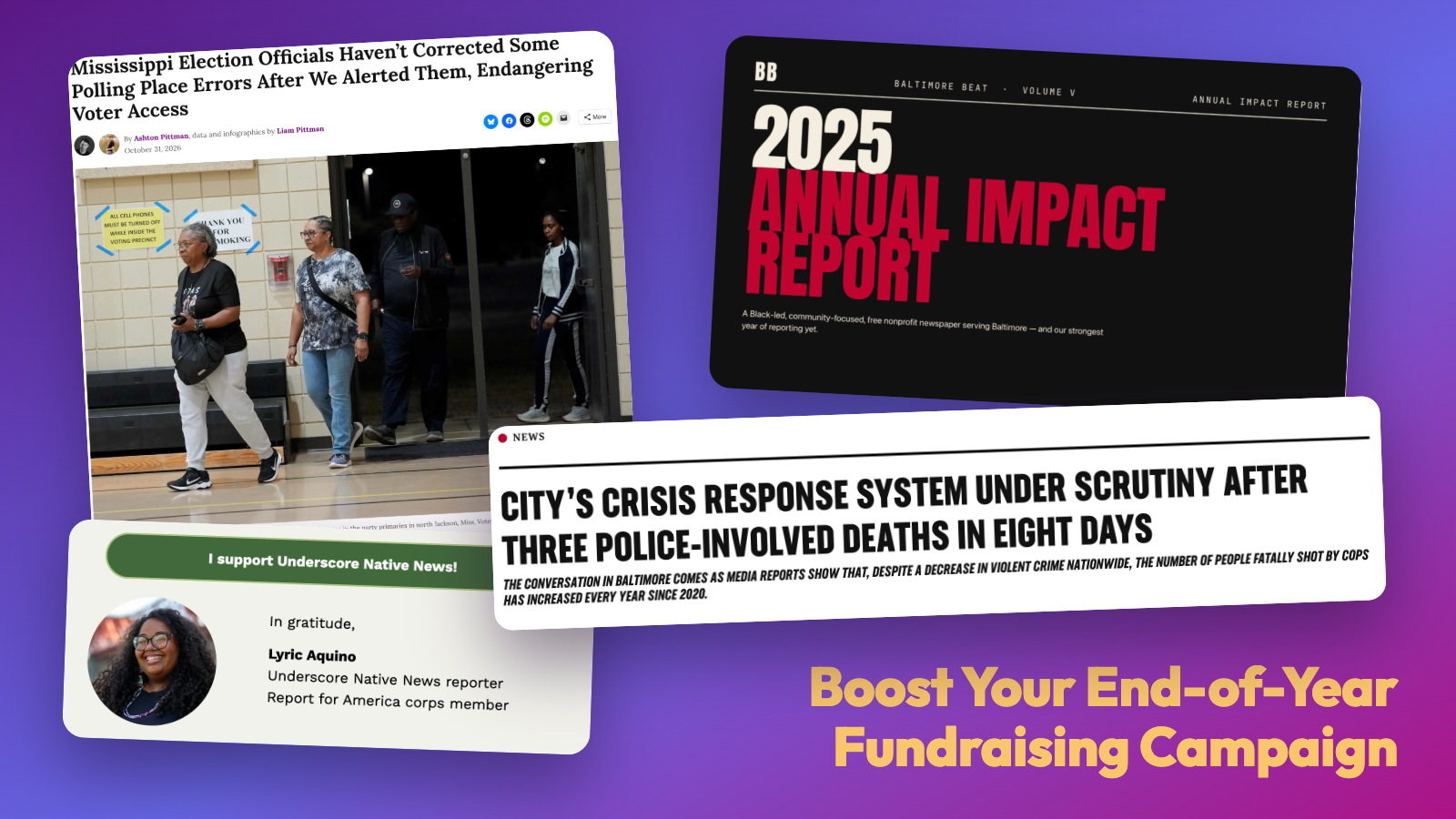
From hosting community dinners to highlighting reporting wins, Pivot-supported publishers are finding creative ways to connect with supporters and generate revenue.
Baltimore Beat is bringing neighbors together and generating revenue through a new Dinner Club that matches groups of six strangers for meals at local restaurants. Participants purchase tickets, complete a short quiz to be matched with others who share similar outlooks and gather afterward with the larger group.
More than 70 people have already signed up for the first dinner on Nov. 18, said Lisa Snowden, CEO and co-founder of Baltimore Beat. Each ticket supports the newsroom’s reporting while bringing business to local restaurants.
The lesson for community publishers: Turn audience relationships into opportunities to connect and generate revenue. As Pivot Fund CEO Tracie Powell explored in her recent piece, What Don Lemon Can Teach Publishers About Earned Revenue, publishers can create experiences people are willing to pay for by building on what their communities already value.
End-of-year fundraising is an opportunity to put that principle into practice. From hosting community gatherings to highlighting reporting wins and making personal appeals, small adjustments can help you connect with supporters and inspire giving.
Here are seven strategies from Pivot Fund grantees to strengthen your year-end campaign.
1. Show readers what their donations make possible
Make your impact tangible by connecting donations to specific newsroom needs.
Baltimore Beat recently explained that $50 supports office supplies, $100 pays for a public records request and $250 covers a week of fact-checking.
Try this: Add three donation amounts to your next appeal, explaining what each can help fund.
2. Connect your appeal to timely reporting
Your latest reporting can be your strongest fundraising message.
Mississippi Free Press connected its NewsMatch campaign to its election coverage, highlighting how its reporters identified 138 polling-place changes and 18 errors to help voters find their polling places.
Try this: Highlight a recent story that demonstrates your newsroom’s impact and explain how donations make that work possible.
3. Let your journalists make the ask
Personal stories can help readers connect with the people behind the journalism.
During a fundraising campaign, Underscore Native News featured first-person appeals from staff members, including audience engagement manager Kyra Antone, who explained why reporting on Indigenous communities matters to her.
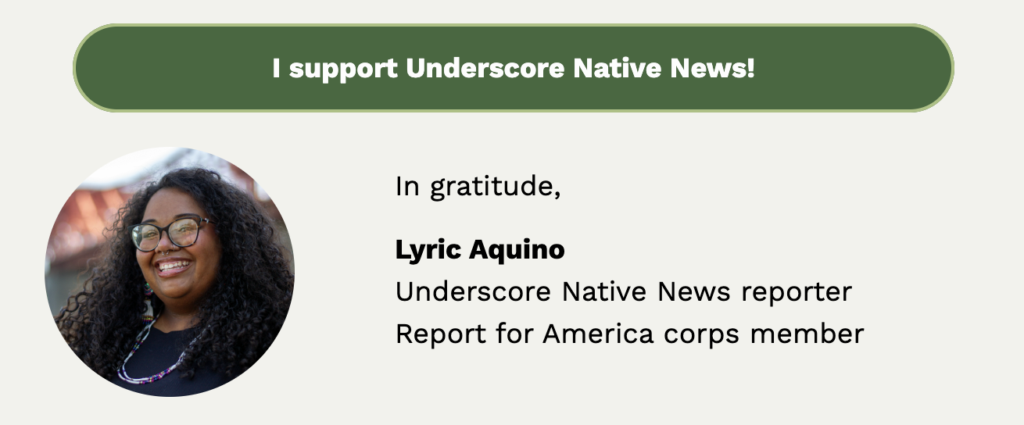
Try this: Invite a reporter or editor to share why they do this work, along with a story they’re especially proud of.
4. Give readers a chance to double their impact
Matching gifts can create an added incentive to donate.
285 South is launching its first matching-donor campaign, while Mississippi Free Press recently promoted a donor match of up to $5,000. Underscore Native News is also leveraging NewsMatch during its year-end campaign.
Try this: Highlight an existing matching opportunity or ask a major donor or board member to sponsor a limited match.
5. Find a fresh angle for your next appeal
You don’t need a new campaign theme to give readers another reason to engage.
Mississippi Free Press drew on its history in a recent fundraising appeal, connecting its civil rights-era roots to the importance of sustaining independent journalism today. Kansas City Defender also reflected on its mission and growth in a fifth-anniversary editorial.
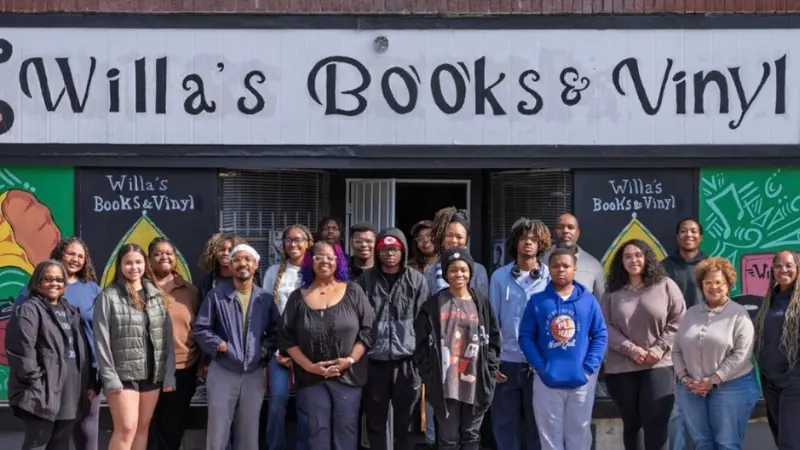
They highlighted this work in their anniversary editorial.
Try this: Build an appeal around a newsroom anniversary, reporting milestone or community achievement.
6. Show readers how close you are to your goal
Fundraising updates can turn a general request into an achievable challenge.
During its summer campaign, Underscore Native News told readers it was 80% of the way to its goal, with just $600 left to raise.
Try this: Share progress updates as you approach your deadline, highlighting how much remains and how readers can help close the gap.
7. Invite readers to participate beyond donating
Your supporters can help expand your campaign’s reach, even if they can’t give.
Underscore Native News encouraged readers to forward its fundraising appeal to friends and incorporated community partner spotlights into its year-end campaign.
Try this: Ask readers to share your appeal, introduce someone to your newsroom or tell you which story made a difference to them this year.
Small changes can make a difference
Strengthening your end-of-year campaign doesn’t have to mean adding more work to your team’s plate.
A timely story, a personal message or a clear example of impact can help readers understand what their support makes possible.
The goal is simple: Show your community what you’ve accomplished together and what their support can help you do next.