
News
Make Election Coverage Count: Seven Publishers Show How
October 28, 2026
A voter guide helps only if people can find it, understand it and use it. Community publishers are taking that challenge seriously ahead of the November 3 midterms.
Across The Pivot Fund’s portfolio, newsrooms are checking polling locations, putting community questions to candidates, turning civic explainers into shareable videos and bringing political conversations into neighborhood spaces.
Their approaches offer ideas you can adapt for your own newsroom—and reminders that useful election coverage starts with knowing what your community needs.
Radio Campesina: Put Familiar Faces Behind Voting Information
Radio Campesina’s Yo Aquí Cuento campaign brings practical voting information to Latino audiences through videos featuring personalities they already know.
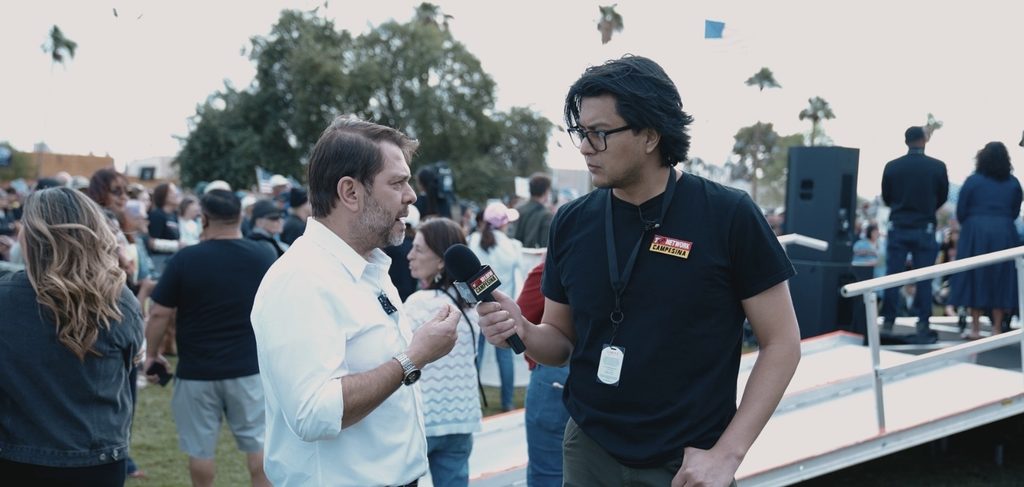
Produced by Bakersfield reporter Omar Salto, the nonpartisan multimedia campaign features voices including Lego Rodriguez, encouraging audiences to check their registration, review their ballots and confirm voting locations and requirements. Both Salto and Rodriguez were hired with support from The Pivot Fund.
The campaign also makes room for people who cannot vote by sharing information they can use to participate through community volunteering, sharing nonpartisan voter education materials, joining conversations about local issues and sharing their personal experiences, emphasizing that everyone has a voice and a stake in their community’s future.
The takeaway: Give trusted personalities a role in delivering election information your audience can use and share.
Watch: Video 1 | Video 2 | Video 3
Mississippi Free Press: Check Where Voters Will Actually Vote
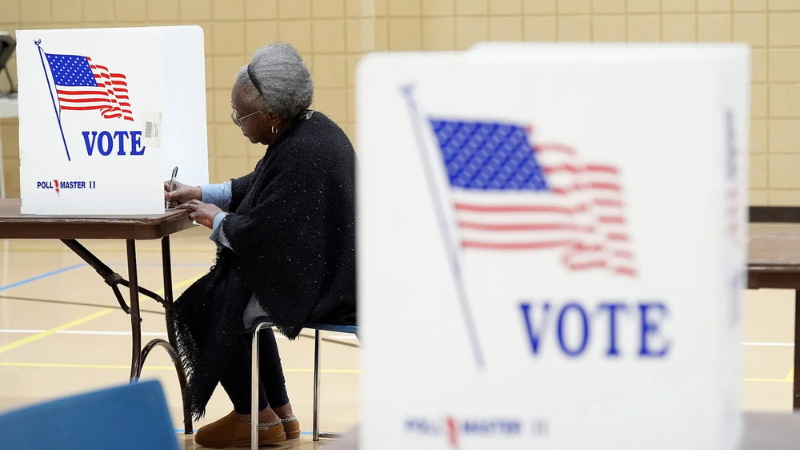
A familiar polling place may no longer be the right one. Mississippi Free Press is helping voters catch those changes before Election Day.
After obtaining state election data and contacting local officials in all 82 counties, the newsroom identified 138 polling place changes and 18 errors. Its interactive tool lets voters search by county or precinct to find locations that have moved, closed or opened since 2024. Other publishers can use the tool free to serve their Mississippi communities.
CBS News featured the project, which builds on earlier MFP reporting that helped lead to a state law restricting last-minute polling place changes.
The takeaway: Verify the voting logistics people may take for granted—and make the answers easy to search.
Explore: MFP’s 2026 election coverage
285 South: Ask the Questions Your Community Needs Answered
What will candidates do for their immigrant constituents? That question drives 285 South’s coverage of Georgia legislative candidates with immigrant backgrounds.
The newsroom asked candidates about immigration enforcement, access to public benefits and community safety—issues with direct consequences for first- and second-generation immigrant families.
The resulting Q&A helps readers connect candidates’ proposals to their own lives.
The takeaway: Build candidate questions around your community’s concerns. Specific questions can produce more useful answers.
Read: In Georgia, More Than a Dozen Candidates With Roots Across the World Are Up for State Office
Kansas City Defender: Make the Whole Ballot Make Sense
Candidates get attention. Ballot language needs explaining, too.
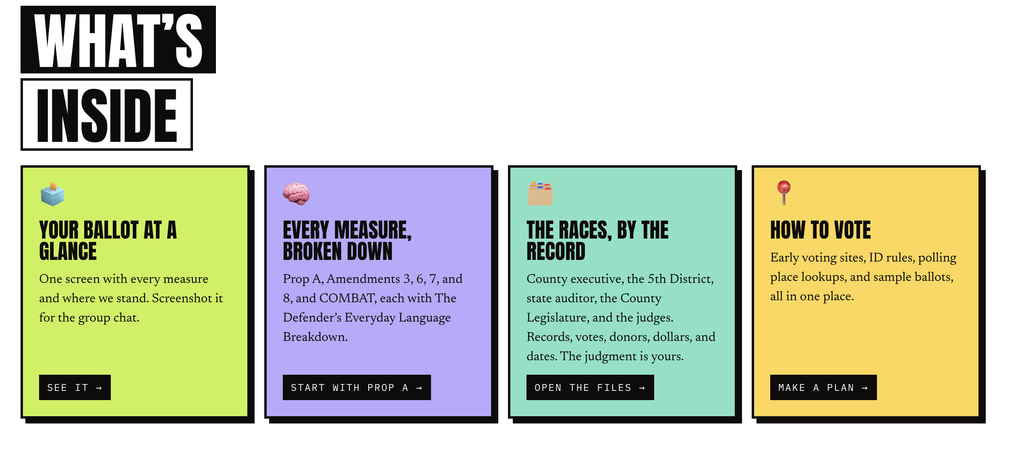
The Kansas City Defender’s People’s Ballot breaks down statewide measures, local questions and races Missouri voters will encounter on November 3. The guide uses accessible language and historical context to help readers understand their choices without endorsing candidates.
Alongside the guide, the newsroom publishes guest opinion essays that bring community perspectives to contested ballot questions.
The takeaway: Explain what voters are being asked to decide, why it matters and how the issue reached the ballot. Clearly distinguish opinion from voter information.
Explore: The People’s Ballot: November 2026 Voter Guide
Hy-Lo News: Give Political Conversations a Place to Happen
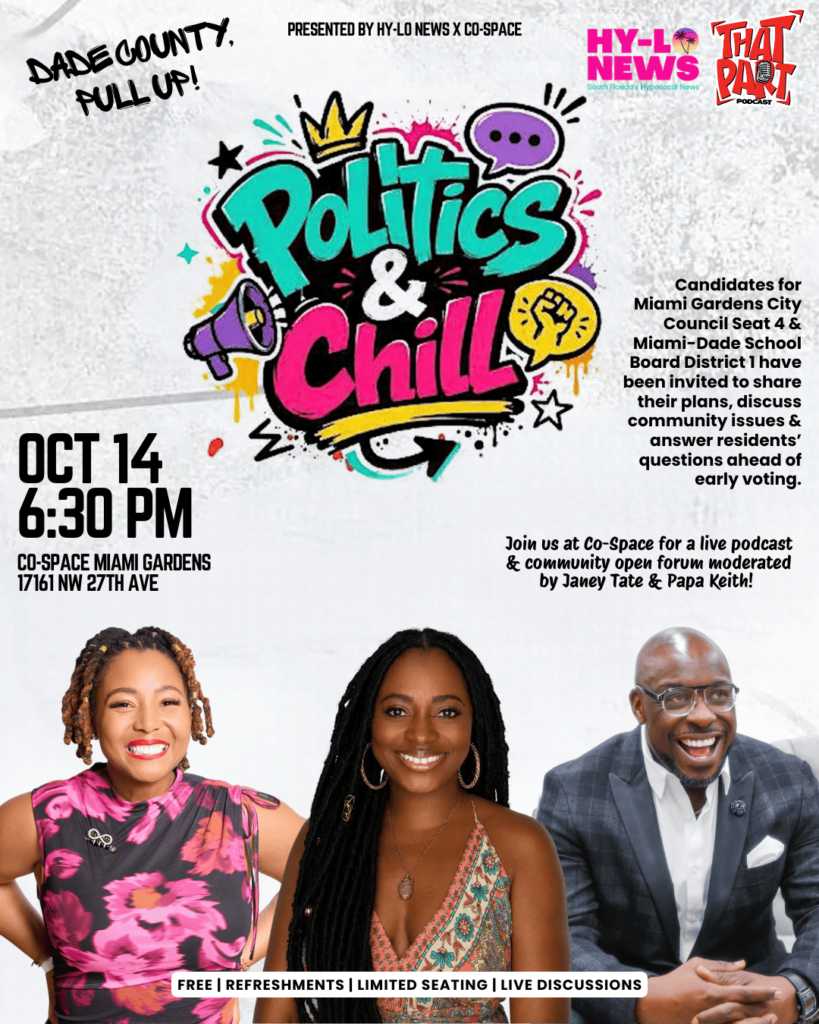
A Facebook post became a community gathering—and then an event series.
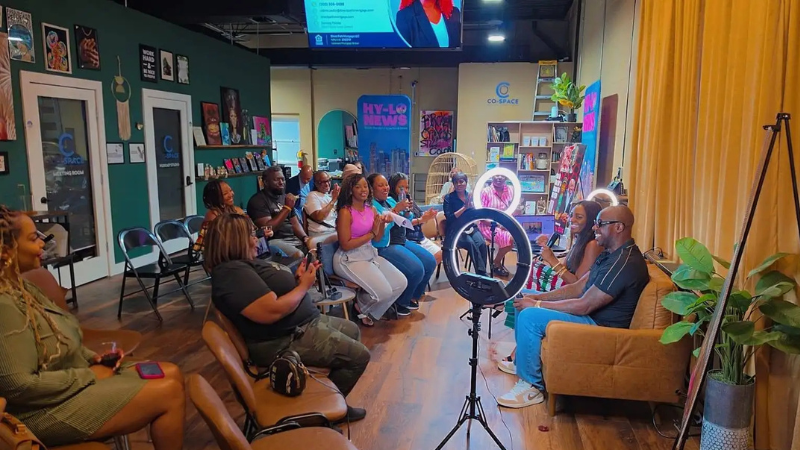
When Hy-Lo News founder and publisher Janey Tate floated the idea for Politics & Chill, local businesses offered venues and residents volunteered to help organize. The free South Florida gatherings combine music, refreshments and candid conversations about elections, local government and neighborhood concerns.
The series has since expanded to include interactive candidate forums.
“People are tired of politicians on all levels feeling so distant from them,” Tate said.
For Hy-Lo News, bringing people together creates opportunities to ask questions, hear from neighbors and engage directly with candidates.
The takeaway: An informal setting can make civic conversations more inviting. Your community may help you build it.
Read: How a Random Facebook Post Became Hy-Lo News’ Newest Event Series
Black By God: Make Politics Easier to Enter
Political coverage can assume readers already know how government works. Black By God is helping close that gap.
Its Let’s Get Political social media series, created with freelance writer Aaliyah Jones, explains midterms, public policy and the West Virginia Legislature in straightforward language, with particular attention to younger audiences.
Candidate profiles and practical voter information give readers additional ways to prepare for Election Day.
The takeaway: Explain the basics without talking down to your audience. Short, accessible pieces can give people a starting point.
Explore: Let’s Get Political | Black By God’s voter registration guide
Underscore Native News: Report on the Barriers Between Voters and Their Ballots
Voting instructions are useful only when they account for the conditions people face.
Underscore Native News is examining how rural mail delivery, postmark delays and access to ballot drop boxes affect Native voters in the Pacific Northwest.
In reporting co-published with ICT, Nika Bartoo-Smith highlighted tribal leaders’ concerns about mail-in voting and the need for accessible drop boxes on reservations. The story connects election procedures to voters’ experiences while sharing practical information.
The takeaway: Ask what makes voting difficult in your community. Geography, transportation and mail service belong in election coverage, too.
Read: Tribal Leaders’ Message for Mail-in Voting: Vote Early, Hand Deliver to Ballot Drop Box
What Can Your Newsroom Put to Work?
Start with a question your audience needs answered. Has a polling place moved? What would a ballot measure change? Will candidates address the issues residents keep raising?
Then choose a format people will use: a searchable tool, a short video, a clear Q&A or a conversation down the street.
These seven publishers show how knowing your community can shape election coverage that helps people take their next step.