
Resources
How to Tell Immigration Stories That Inform, Empower and Mobilize Communities
July 7, 2026
Immigration enforcement is one of the biggest stories facing many communities today. But community publishers aren’t just documenting arrests and detentions — their reporting informs civic participation and helps communities respond in real time to critical decisions shaping their future.
Over the past several months, Pivot Fund grantees have demonstrated what that looks like in practice.
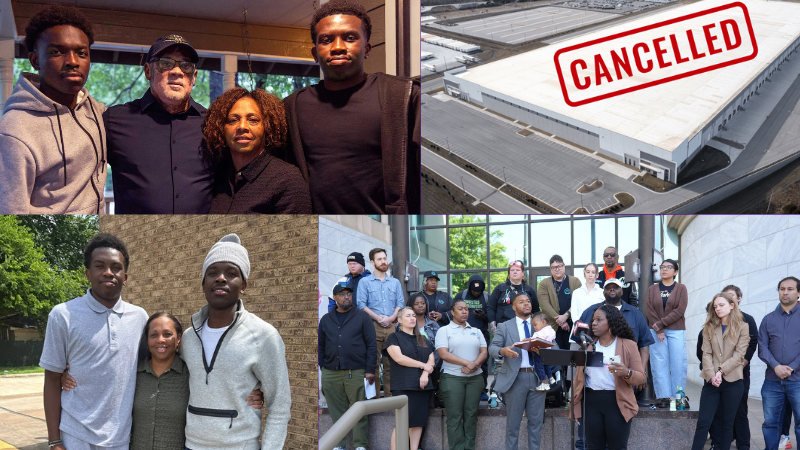
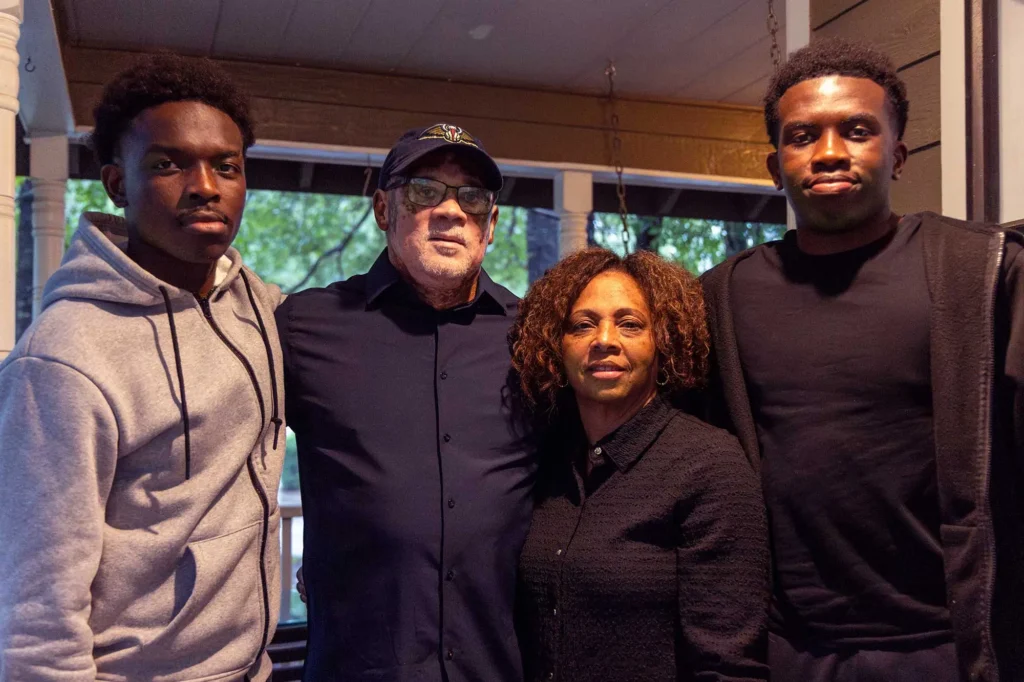
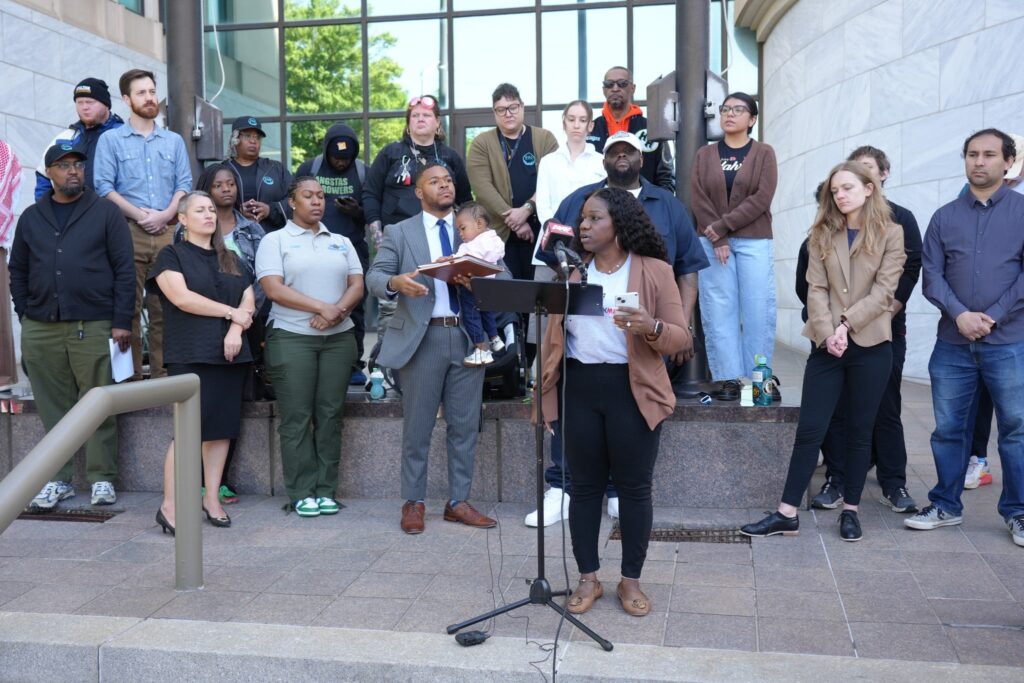
In Georgia, 285 South has chronicled cases like Rodney Taylor, whose release from ICE detention followed months of organizing by his family, immigrant rights groups and community members. In Mississippi, the Mississippi Free Press documented not only the detention of brothers Israel and Max Makoka, but also the community effort that helped bring them home. And in Missouri, The Kansas City Defender helped keep residents informed as community opposition ultimately halted a proposed warehouse sale that could have been converted into a large ICE detention facility.
None of these outcomes happened because of journalism alone. Families, organizers, attorneys and advocates all played critical roles. But these newsrooms show how community journalism can inform, amplify and strengthen community action.
We asked 285 South founder Sophia Qureshi how her newsroom approaches this work. Her insights offer practical lessons for other community publishers covering immigration enforcement and other issues where trusted local information can help communities respond in real time.
1. Choose Stories That Reveal Something Bigger
There are more immigration cases than most small newsrooms can cover.
For Qureshi, deciding which stories to pursue comes down to capacity, access and impact.
Can the newsroom give the story the care it deserves? Does it reveal something about immigration enforcement the community needs to understand? Is it part of a larger pattern?
“These stories can be complex, and we are interviewing directly impacted people, so the stories need extra time, sensitivity, and care,” she said. “We have to ask ourselves, do we have the time to give this story what it needs right now?”
2. Start With the Person
Rather than leading with policy, 285 South starts with people.
“We take a human-centered approach to our storytelling,” Qureshi said. “Rather than start with the big picture, most of our stories start with a person.”
Reporters spend time with families, asking what happened, how they’re feeling and how the experience has changed their lives. Only then do they zoom out to explain the larger context.
3. Highlight Community Response
One thing distinguishes 285 South’s reporting: it doesn’t stop with the crisis.
“We make a point to highlight the ways people are resisting or fighting back,” Qureshi said.
Whether it’s advocacy campaigns, neighbors delivering groceries or donations to a family’s commissary account, the newsroom intentionally shows how communities support one another.
“Even if that impact isn’t like: My spouse was released from detention; but more like: People have reached out to me, dropped off groceries, donated to the gofundme or commissary; We try to highlight what people are doing,” she said.
Those moments remind readers they are not powerless.
4. Pair Human Stories With Rigorous Reporting
Every story is backed by careful reporting.
285 South interviews impacted families, reviews legal and immigration documents, consults attorneys and advocates, and seeks comment from ICE or relevant agencies.
The result is journalism that is both deeply personal and deeply sourced. Most of 285 South’s immigration stories begin with a tip from a community member, trusted source or advocacy organization. Reporters interview impacted families, verify details through documents, speak with attorneys and advocates for context, and seek comment from ICE or local law enforcement when appropriate.
The newsroom also partners with local media outlets that republish its immigration coverage, helping trusted information reach even more people — and, Qureshi says, increasing the stories’ impact.
5. Follow the Story Beyond the Headlines
Some of the most meaningful reporting happens after the initial news.
When Rodney Taylor was released, 285 South documented not only his return home but also the months of organizing that made it possible.
The Mississippi Free Press took a similar approach, following Israel and Max Makoka after their release to document their experiences in detention and the community effort that helped secure their release.
Those follow-up stories show readers that individual cases are part of larger community movements.
Journalism That Helps Communities Respond
Community journalism can provide trusted information, elevate family voices, document community action and help residents understand how they can support one another.
As immigration enforcement continues to shape communities across the country, the work of 285 South, Mississippi Free Press and The Kansas City Defender offers an important reminder:
The strongest community journalism doesn’t just tell people what’s happening — it helps communities navigate what comes next.