
News
Strengthening Local Information Ecosystems Starts With Trusted Community Spaces
June 30, 2026
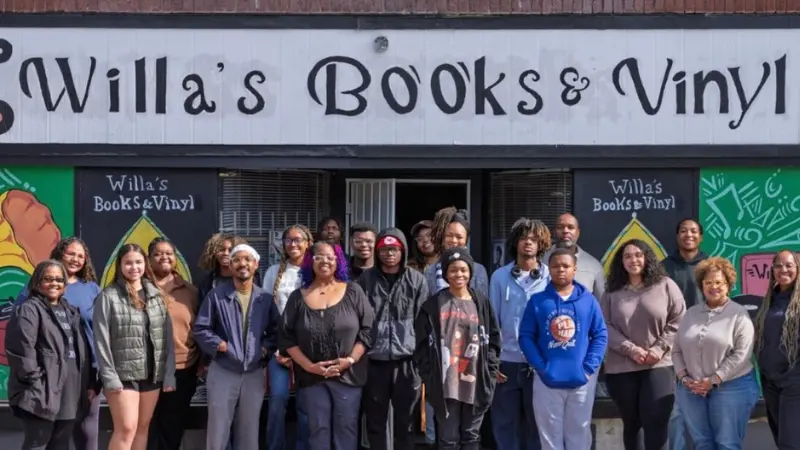
People don’t always turn to a newsroom first when they need information.
They ask a librarian. Check a neighborhood Facebook group. Stop by a community center. Talk at church. Open WhatsApp. Attend a local event. Reach out to a nonprofit they trust.
For funders working to strengthen civic engagement and community information ecosystems, this reality has important implications. Community spaces are increasingly functioning as informal civic information infrastructure — places where people learn about local issues, find resources, ask questions and stay connected.
Across The Pivot Fund’s landscape research in Illinois, Minnesota, Michigan, Wisconsin and Georgia — which explored how residents actually access information and resources in their communities — people repeatedly pointed to longtime physical community spaces, as well as those in the digital realm, as essential sources for staying informed about daily life, local resources and civic issues.
Schools. Libraries. Community centers. Festivals. Neighborhood gatherings. Barbershops. WhatsApp groups. Local nonprofits.
The advent of paywalls combined with the loss of traditional outlets has made these spaces feel more accessible and integrated into daily life.
Information already moves through trusted spaces
The transformation of community spaces into information hubs was a regular topic in our listening sessions.
In Sycamore, Illinois, residents described libraries as places where people gather, attend events, ask questions and connect with local resources.
“I haven’t watched a live local newscast in twenty years,” said Cryssida Green, a public school librarian in Sycamore. Instead, she and others said they rely on local organizations, printed materials, community-managed social media pages, schools and libraries to stay informed.
In immigrant and multilingual communities, schools often served as practical civic connectors — places where families learned about housing support, healthcare resources, food access, safety information and local events.
Residents in Michigan and Wisconsin said they relied on nonprofits and community organizations to navigate shrinking local media ecosystems. These groups often filled gaps by providing guidance around civic systems.
Our research also found that culturally rooted spaces like barbershops, festivals, powwows, neighborhood events and low-power radio stations often function as trusted word-of-mouth networks where information feels more relevant and actionable.
What this means for philanthropy
Many community publishers understand that trusted community spaces can strengthen journalism’s reach, deepen relationships and create new pathways for engagement.
Rather than creating entirely new channels, many are connecting reporting to existing community systems and relationships.
Pivot grantee The Kansas City Defender combines reporting with mutual aid work, food distribution and partnerships with churches and community organizations. Those relationships have translated into community trust, audience growth, financial support and expanded distribution.
“I don’t think any two relationships look exactly the same,” said Ryan Sorrell, founder of The Kansas City Defender. “Sometimes it’s financial support. Sometimes it’s a speaking engagement. Sometimes it’s collaborating on a community initiative.”
Conecta Arizona works with churches and faith groups to connect with immigrant communities and access trusted community knowledge that shapes reporting.
“We work very quietly with churches and faith groups to combat political violence and get resources and information from the community,” said publisher Maritza Félix. “We do not get money from them, but they’re very powerful, and we get access to people and resources that otherwise we couldn’t.”
At Acción Latina, which publishes El Tecolote and serves immigrant communities in the Bay Area, leaders reevaluated their programs as immigration raids and growing uncertainty increased demand for timely information and support. Through El Tecolote, they expanded WhatsApp reporting around immigration issues, know-your-rights information and policy updates affecting San Francisco immigrant communities.
They also partnered with a hospital-based mental health program to launch Entre Nosotras — a WhatsApp community connecting immigrant women with trusted mental health resources and support.
In Minnesota, MIGIZI, a nonprofit communications organization, partners with schools to provide cultural programming, career development and paid media internships for Indigenous youth through First Person Productions — creating trusted pathways for storytelling and civic participation.
The lesson for funders is that strengthening local information ecosystems requires more than supporting content production alone. It also requires investing in the relationships, partnerships and community infrastructure that help information reach people where they already are.
Investing in trust, not just distribution
These relationships are bigger than distribution.
When publishers work with trusted community spaces, they strengthen trust, deepen their community connections and create journalism that becomes part of everyday community life.
The findings also suggest a broader opportunity for philanthropy. If communities already rely on schools, libraries, nonprofits, faith institutions and cultural spaces for information, then strengthening local information ecosystems means recognizing and supporting the networks through which information already flows. Community-rooted publishers are not replacing these trusted institutions — they are partnering with them to ensure residents have access to timely, relevant and actionable information.
As local journalism continues to evolve, funders have an opportunity to invest not only in reporting, but also in the trusted relationships and community infrastructure that help information reach the people who need it most.