
News
Serving multilingual communities with care, cultural competency: Lessons from Pivot’s landscape research
May 26, 2026

Simply translating news stories is not enough to serve multilingual communities effectively. Across The Pivot Fund’s Great Lakes landscape analyses, residents repeatedly described turning away from traditional outlets that failed to understand how their communities communicate, build trust, and share information.
Instead, participants across Minnesota, Illinois, Michigan, and Wisconsin said they gravitated toward journalism that felt culturally aware, accessible, community-rooted, and reflective of their daily lives — right down to syntax, slang, and shorthand expressions. Many filled information gaps through ethnic media, WhatsApp groups, YouTube creators, bilingual Facebook groups, radio stations, and trusted community messengers.
What emerged from the research was clear: successfully serving multilingual audiences requires far more than translation. It demands cultural competency, trusted relationships, and a deep understanding of the platforms, formats, and messengers communities already rely on.
Listening before building
Few examples illustrate this better than Sahan Journal’s award-winning Somali-language SMS and audio newsletter project, Tani waa su’aashayda (“Here’s my question”). The project delivers news through Somali-language voice notes sent directly by text message, prioritizing accessibility and oral storytelling over traditional newsletter formats.
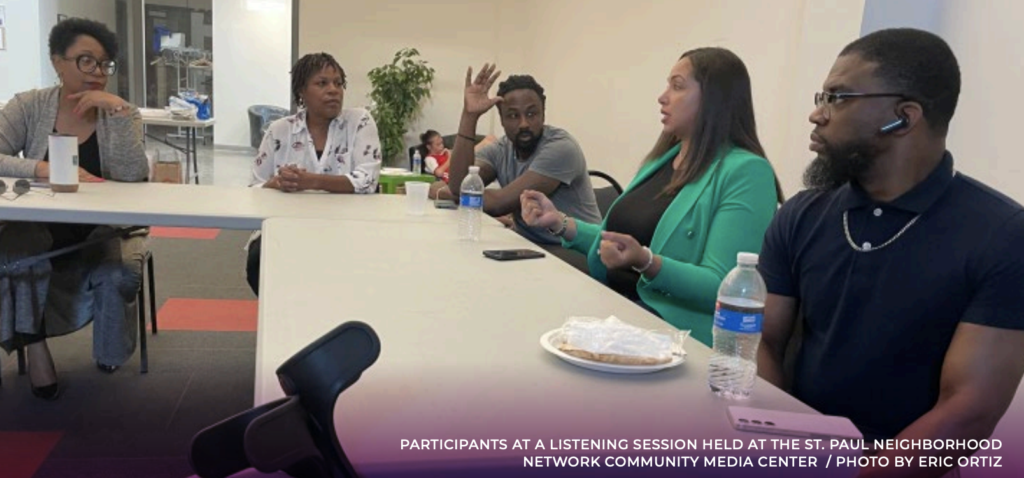
The idea emerged after the newsroom spent weeks conducting listening sessions with Somali, Latino, and Hmong communities across Minnesota.
“The first piece of advice is to never assume that you know exactly what these communities need,” former Sahan innovation editor Aala Abdullahi told the Reynolds Journalism Institute. “Your first step should always be direct face-to-face community engagement work.”
Rather than simply translating existing stories, the newsroom focused on how communities already consumed information. For Somali audiences, that meant recognizing the importance of oral storytelling traditions and mobile-first communication habits.
“People need news in their language,” Abdullahi said. “And not only do they need news in their language, but they also need it in audio or visual formats.”
Communities already have trusted information systems
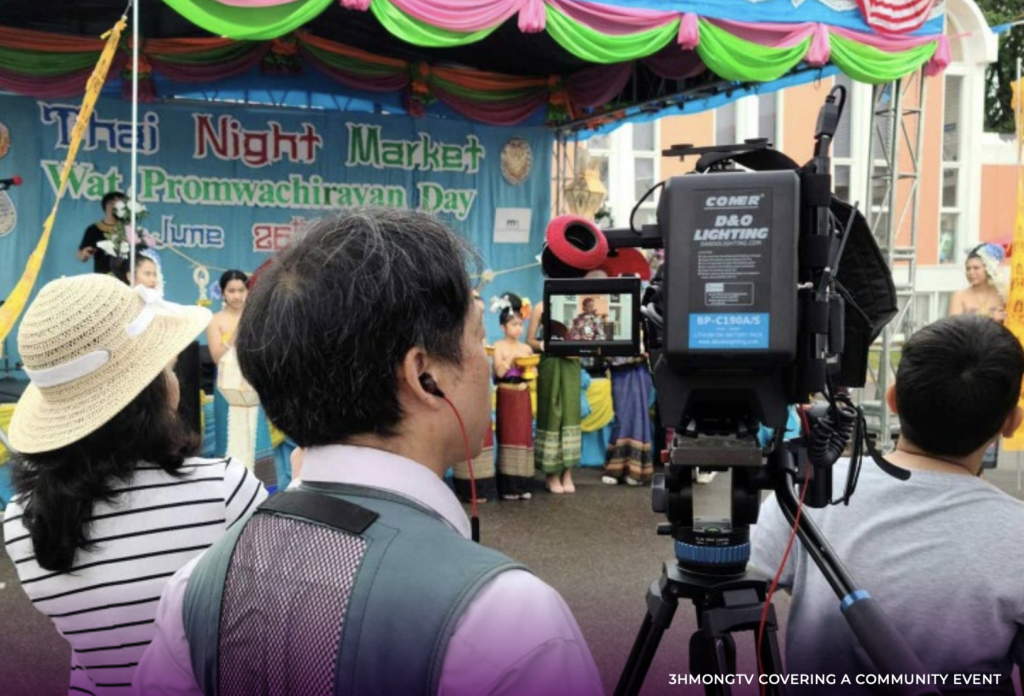
Pivot’s Minnesota landscape research surfaced similar patterns across multilingual communities. Listening sessions included some of the state’s most successful Asian American media entrepreneurs, including 3HmongTV, Hmoob Twin Cities News, Hmong Radio Broadcast, and Hmong Community YouTube TV. Residents described trusting these outlets because they reflected Hmong arts, history, traditions, and lived experiences in ways traditional outlets often did not.
Members of the Hmong and Lao communities also described relying on entirely different platforms than traditional newsrooms often assume.
“I get all my news from Reddit,” said one Lao community member who works at a nonprofit serving the Lao community. “I know the Hmong have their own subreddit, but we Lao in Minnesota, we don’t have something like that… there’s nothing for me on the cultural level.”
Generational divides also shaped media habits. Younger residents often preferred TikTok, Reddit, and Instagram, while older generations depended more heavily on YouTube, WhatsApp, ethnic media, and word-of-mouth networks. For many communities, language barriers were not simply linguistic — they were cultural, generational, and technological.
Meeting communities where they already are
The research also underscored that digital distribution alone is not enough.
“We found that anyone who was consuming news consistently in their language tended to be people who were relatively new to the country or were just a lot older and were part of more insular communities,” Abdullahi explained. “A lot of these people are not on social media like that or using their phones, unless it’s to send a text message or through WhatsApp.”
To grow its audience, Sahan hired community ambassadors who attended meetings, visited community spaces, and signed residents up in person. The newsroom also partnered with trusted ethnic media organizations, including Somali TV, Hmong TV, and La Raza, rather than attempting to build everything internally.
“They had already put in years and years of work establishing trust with the local communities that they served,” Abdullahi said.
What community publishers can learn
The strongest multilingual journalism models emerging from Pivot’s research all began with listening.
The findings suggest several broader lessons for publishers:
- Don’t assume translation alone creates engagement.
- Invest in cultural competency and relationship-building.
- Meet audiences on the platforms and in the formats they already use.
- Partner with trusted ethnic media and community organizations.
- Treat multilingual journalism as long-term trust-building work.
- Be willing to experiment, adapt, and learn directly from communities.
Most importantly, the strongest examples recognized that multilingual journalism works best when communities feel understood — not simply translated.