
Resources
What Publishers Can Learn From MLK50: Justice Through Journalism’s Shared Leadership Model
January 27, 2026
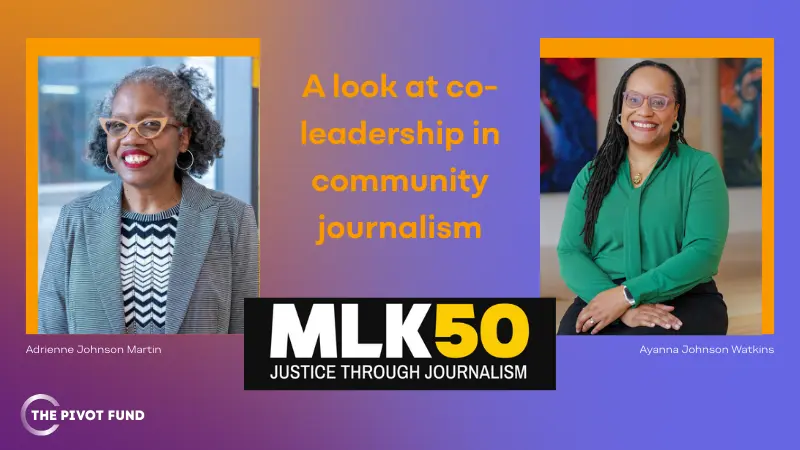
Local news leaders are being asked to do more than ever: set editorial vision, fundraise, hire and retain staff, build partnerships, respond to crises, and remain accountable to the communities they serve—all at once. For many outlets, especially community-rooted newsrooms, the traditional single–executive leader model is proving unsustainable.
That’s why co-leadership is gaining momentum.
“A lot of newsrooms talk about care,” said Adrienne Johnson Martin, Co-Executive Director at MLK50: Justice Through Journalism. “To me, shared leadership is part of that thinking. To be able to do this work—emotionally, physically, spiritually—it should be shared.”
Community-rooted newsrooms have always been among the most creative and resourceful in the field. They’re used to doing a lot with a little. They question traditional assumptions because they actually know their audiences. They are trusted by their communities, and that trust shapes not just their journalism, but how they design leadership itself.
In a recent episode of The Pivot Fund Pod, MLK50’s co-executive directors, Ayanna Johnson Watkins and Adrienne Johnson Martin, unpacked what shared leadership looks like in practice and why it’s a strategy for sustainability, not just an organizational chart decision.
Sharing responsibility and the weight of leadership
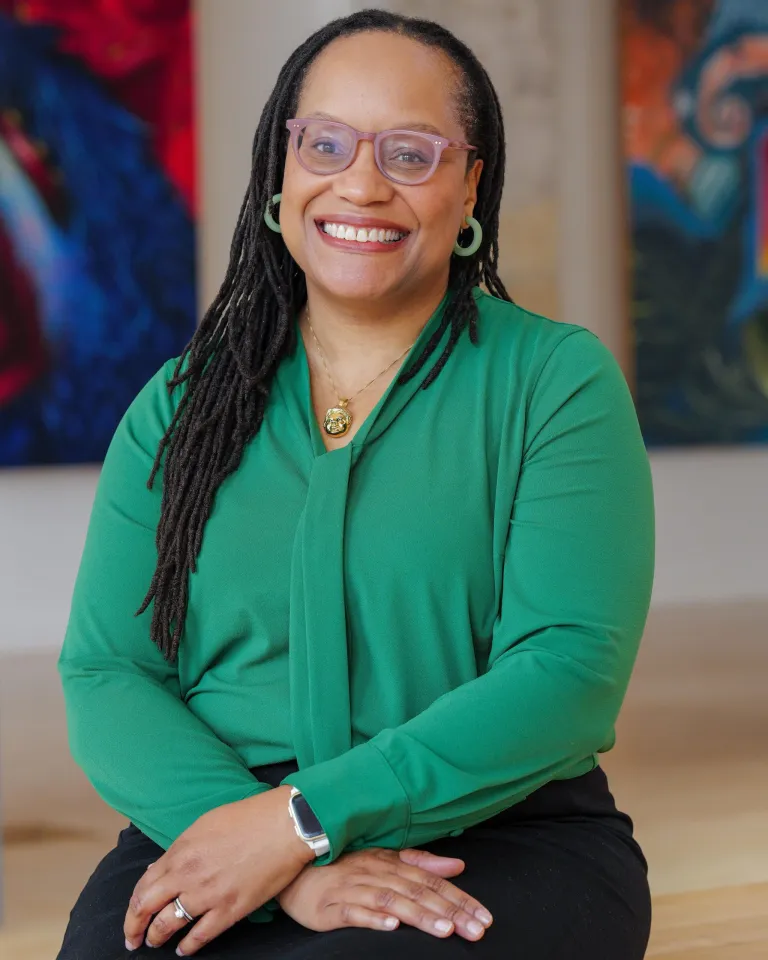
At its core, co-leadership creates something many newsroom leaders lack: a true peer. Someone who shares responsibility, understands the full context, and can work through hard decisions candidly.
That matters in a moment when leadership is increasingly isolating.
Watkins, who oversees the business side of MLK50, described traditional executive leadership as deeply lonely—high-stakes decisions made without a partner who truly carries the same weight. Co-leadership changes that dynamic, making leadership less isolating and more sustainable.
Before joining MLK50 as co-executive director in January 2025, Watkins spent more than 20 years leading in the nonprofit sector. That experience shaped her belief that leadership doesn’t have to be a solo act to be effective.
Interdependent by design
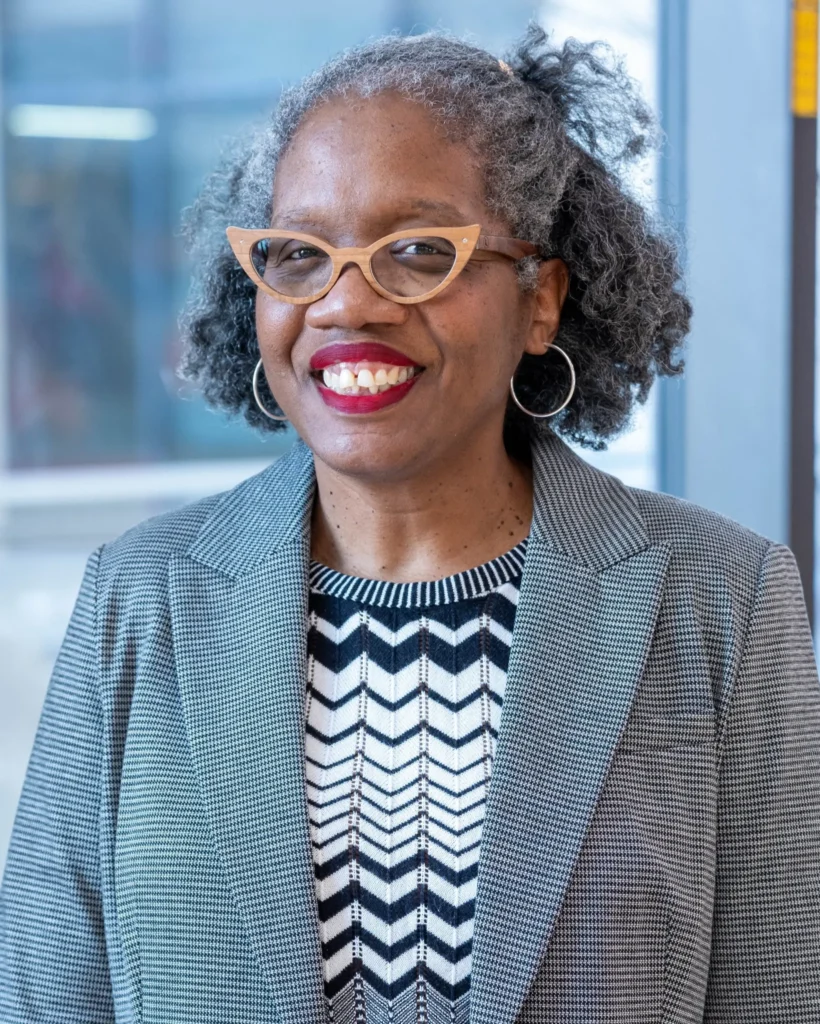
At MLK50, co-leadership is not a clean split between “editorial” and “business.”
Martin leads editorial operations. Watkins leads development and operations. But both emphasized that the model works only because they understand enough of each other’s domains to lead the organization together.
Each co-lead has authority over their team and day-to-day decisions. Strategy, vision, forecasting, and budget live in shared space. Intentional communication and shared learning bridge the gaps.
That shared approach allows them to step back from constant urgency—to think about diverse revenue streams, long-term sustainability, and new ways to better serve their community.
Strengthening civic information and community storytelling
The co-leadership model has helped MLK50 deepen its mission during a period of profound uncertainty—not just around fundraising, but around what it means to practice journalism and protect a free press.
“For us, we were built for this moment,” Watkins said. “To tell the truth, to be a reliable and accountable source to our community- when has that mattered more?”
Martin shared that having a partner has allowed MLK50 to show up more fully for its audience by creating space for deeper, community-based conversations.
“That’s the kind of journalism we’re doing,” she said. “We need to work from the people up and not institutions down.”

Before stepping into their roles, Watkins and Martin spent intentional time getting to know one another—talking honestly about power, communication, and whether they could truly work together.
“That prep process really made a difference,” Watkins said.
Their backgrounds complement one another. Watkins’ roots in community organizing shape how she approaches fundraising, partnerships, and engagement, bringing community relationships directly into the business side of the newsroom. Martin, coming from more traditional newsrooms, is intentional about listening and treating community knowledge as expertise.
“At MLK50 I have to be intentional about understanding the communities and the city, and it shows in our coverage,” Martin said. “When people fly in, there’s a big difference in the stories they tell versus being in the community. That’s the heart of it. It’s the purest form of journalism and storytelling.”
Together, their perspectives create internal accountability, and that accountability builds trust externally.
Capacity shows up in unexpected ways
Some benefits of co-leadership are immediate. Two leaders mean MLK50 can be in more places at once—building partnerships, attending conferences, and expanding networks without burning out one person.
A conversation Martin had at a conference with Mother Jones led to MLK50’s creator-in-residence program, adapted specifically for its community.
“Having two people allows us to divide and conquer,” she said.
Co-leadership has also sharpened MLK50’s hiring decisions. When selecting a community engagement manager, Watkins and Martin weighed journalism experience against community outreach expertise—and made a more intentional choice.
And with two leaders weighing tradeoffs together, MLK50 has taken smarter risks, including postponing its annual fundraiser to protect staff capacity and long-term sustainability.
Shared leadership doesn’t just add capacity. It creates the conditions for better judgment, healthier teams, and more durable community journalism.
Quick tips for publishers considering co-leadership
- Learn beyond journalism.
Talk to leaders across nonprofit and for-profit sectors. Resources like Stanford Social Innovation Review offer useful frameworks—but expect to adapt, not copy. - Choose it at a moment of growth.
Adopting a co-leadership model may work best during transition, when you’re ready to rethink habits and try new approaches. Two leaders can make space for ideas that might feel too risky alone. - Be honest about power and discomfort.
Shared leadership requires giving up control, working through tension, and allowing relationships time to develop. Ask yourself what your relationship to power really is. - Don’t lead alone—no matter the structure.
Even without a formal co-lead model, find a trusted peer who challenges your thinking and helps you see beyond how things have always been done.
Co-leadership has given MLK50 room to think beyond the urgent—creating space for long-term planning, culture-building, and better decision-making. That 30,000-foot view matters. So does having a trusted partner to share responsibility and take smart risks.
MLK50’s model is a practical response to the realities community newsrooms face today. Leadership built on shared power, responsibility, and care isn’t just healthier—it’s more durable.
And durability is everything.