
Analysis
What Enlace Latino NC’s Experience Reveals About the Safety Risks Facing Community Newsrooms — and Why Funders Should Care
December 2, 2025
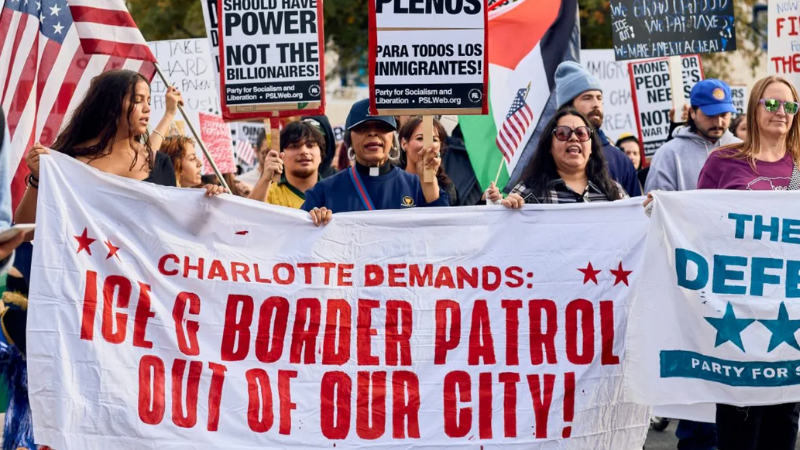
When Enlace Latino NC covers a protest or community action today, nothing feels routine, says Co-founder and Executive Director Paola Jaramillo.
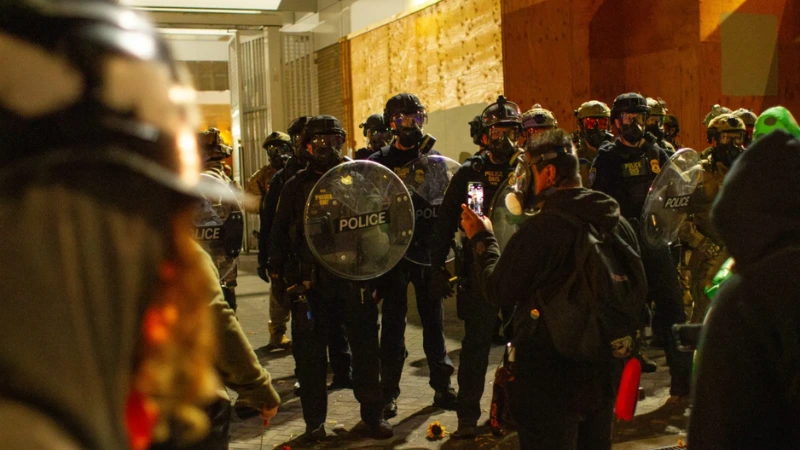
Their small, immigrant-led newsroom has had to rethink nearly every part of its reporting — from what their reporters wear to who can safely enter a high-risk environment — because frontline journalists cannot predict how Immigration and Customs Enforcement (ICE) or other federal agents will respond.
“We don’t always know how agents will react, or whether they’ll recognize that we’re members of the press,” Jaramillo explained. “That forces us to be extra cautious and take precautions that weren’t necessary before.”
To keep their team safe, Enlace now conducts safety briefings before each assignment, uses visible credentials, establishes emergency communication systems, and designates safe zones. Even simple movements — like stepping off a sidewalk to take a photo — require caution.
“There’s a real fear of being detained or misunderstood by authorities,” Jaramillo said. “We have to be incredibly careful about who we send into the field.”
A Window Into a National Pattern of Risk
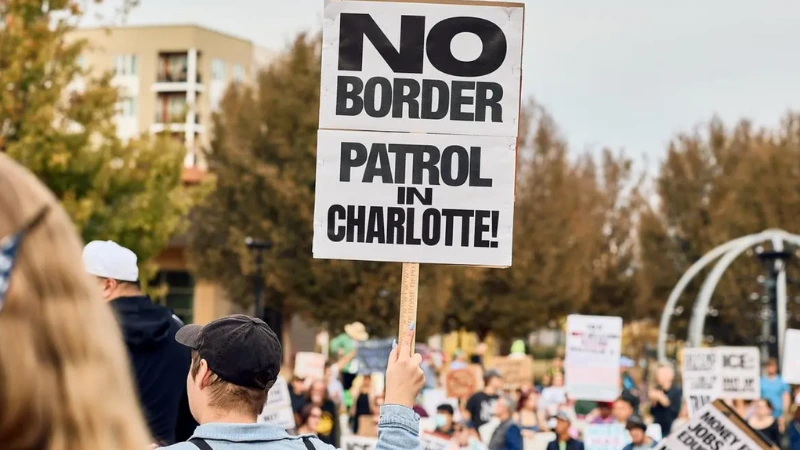
Enlace Latino NC recently covered the federal immigration raid in Charlotte — where more than 370 people were arrested, according to Politico. Immigrant communities, and the journalists who serve them, were operating in close proximity to unpredictable enforcement actions.
Their experience is not isolated. Across the country, community-led newsrooms serving immigrant, Indigenous, and undocumented residents are facing heightened safety risks:
- Underscore Native News was the only outlet present when a Portland march escalated into ICE detainments.
- MG News continues to grapple with the detention and deportation of veteran reporter Mario Guevara.
- El Tecolote led an immigrant-centered emergency response during a chaotic 48-hour federal “surge” in the Bay Area.
These events reveal a stark reality: The newsrooms most trusted by vulnerable communities are also the most exposed to harm.

As Jorge Luis Sierra, President of the Border Center for Journalists and Bloggers, warns:
“Lack of training can elicit a disproportionate response with excessive force against people around them.”
What Newsrooms Need — and How Funders Can Support Them
Community outlets are already adapting to escalating risks — but doing so stretches small teams and limited budgets. Funders can play a critical role in ensuring journalists are trained, protected, and supported.
Funders can help strengthen newsroom safety by investing in:
1. Field Safety Training & Preparedness
- Pre-assignment safety briefings
- Route planning and risk assessment
- Buddy systems and check-in protocols
Why it matters: These steps reduce the likelihood of dangerous encounters with law enforcement and help reporters respond calmly and effectively in volatile situations.
2. Legal & Immigration Support
- On-call legal counsel
- Access to immigration attorneys for immigrant or mixed-status reporting teams
Why it matters: Immigrant journalists face unique vulnerabilities; legal preparedness can prevent detention or wrongful arrest.
3. Trauma-Informed Well-Being Resources
- Counseling services
- Peer-support structures
- Recovery time after covering high-risk events
Why it matters: Journalists repeatedly exposed to violence, detainments, or community trauma need support to sustain their work.
4. Digital & Device Security
- Encrypted phones
- Secure communications platforms
- Data-wipe protocols
Why it matters: Protecting sources and staff is part of physical safety — especially when reporting on enforcement actions.
5. Organizational Capacity & Safe Staffing
- Additional field reporters
- Editors trained in risk mitigation
- Clear protocols that do not incentivize unsafe newsgathering
Why it matters: Small teams currently shoulder disproportionate risk without the infrastructure to manage it.
6. Real-Time Information Infrastructure
- Equipment for livestreaming at a safe distance
- Tools to document enforcement activity
Why it matters: When law enforcement escalates, communities rely on these outlets for accurate, timely information.
As CPJ’s Katherine Jacobsen said, the growing presence of federal agents can “escalate protest situations in a way that makes reporting conditions less safe for journalists,” restricting the public’s access to essential information.
Why This Matters for Funders
Enlace Latino NC’s story is not just about danger — it is about service, resilience, and the disproportionate burden placed on community-led newsrooms.
These outlets:
- Are deeply trusted by immigrant, undocumented, and multilingual communities
- Operate with limited staff and minimal institutional protection
- Provide essential information during enforcement actions and crises
- Fill gaps left by traditional media, which often arrive late or not at all
Yet they shoulder the greatest risks with the least safety infrastructure.
Investing in community journalism is an investment in public safety, civic access, and the basic right to information.
Funders who care about democracy, community well-being, immigrant rights, and civil liberties have a direct role to play in ensuring these journalists can report without fear of harm, detention, or retaliation.
Closing Thought
“We remain committed to providing useful, ethical, and compassionate journalism — reporting for our community with accuracy, humanity, and care, while keeping our journalists safe,” Enlace’s Jaramillo said.
Community journalism is a public good. But safety cannot be an unfunded mandate. Funders can ensure these newsrooms have the training, protection, and stability they need to continue serving their communities with courage — and without unnecessary risk.