
News
When the System Falters, Community Media Steps Up
November 5, 2025
As the federal government shutdown reaches 38 days, becoming the longest shutdown in U.S. history, millions of families are facing new uncertainty about how they’ll put food on the table. The Trump administration says it will restart the national food assistance program known as SNAP — but only at half the normal benefit level, using the Department of Agriculture’s contingency fund, according to NPR.
It’s an alarming moment for families — and for the local organizations that keep communities fed. But once again, community media are proving to be more than messengers of crisis. They’re part of the response.
Baltimore Beat: Information as Survival
In Baltimore, Baltimore Beat has become a trusted hub for survival information. Long before the shutdown, the outlet built and continues to maintain a comprehensive list of food, housing, and financial assistance programs across the city — an essential guide updated this week to reflect the growing strain on residents.
The list connects people to everything from church-based pantries and meal programs to legal and employment services. It’s public service journalism at its most direct: local, accurate, and rooted in care.
The Kansas City Defender: Reporting and Action
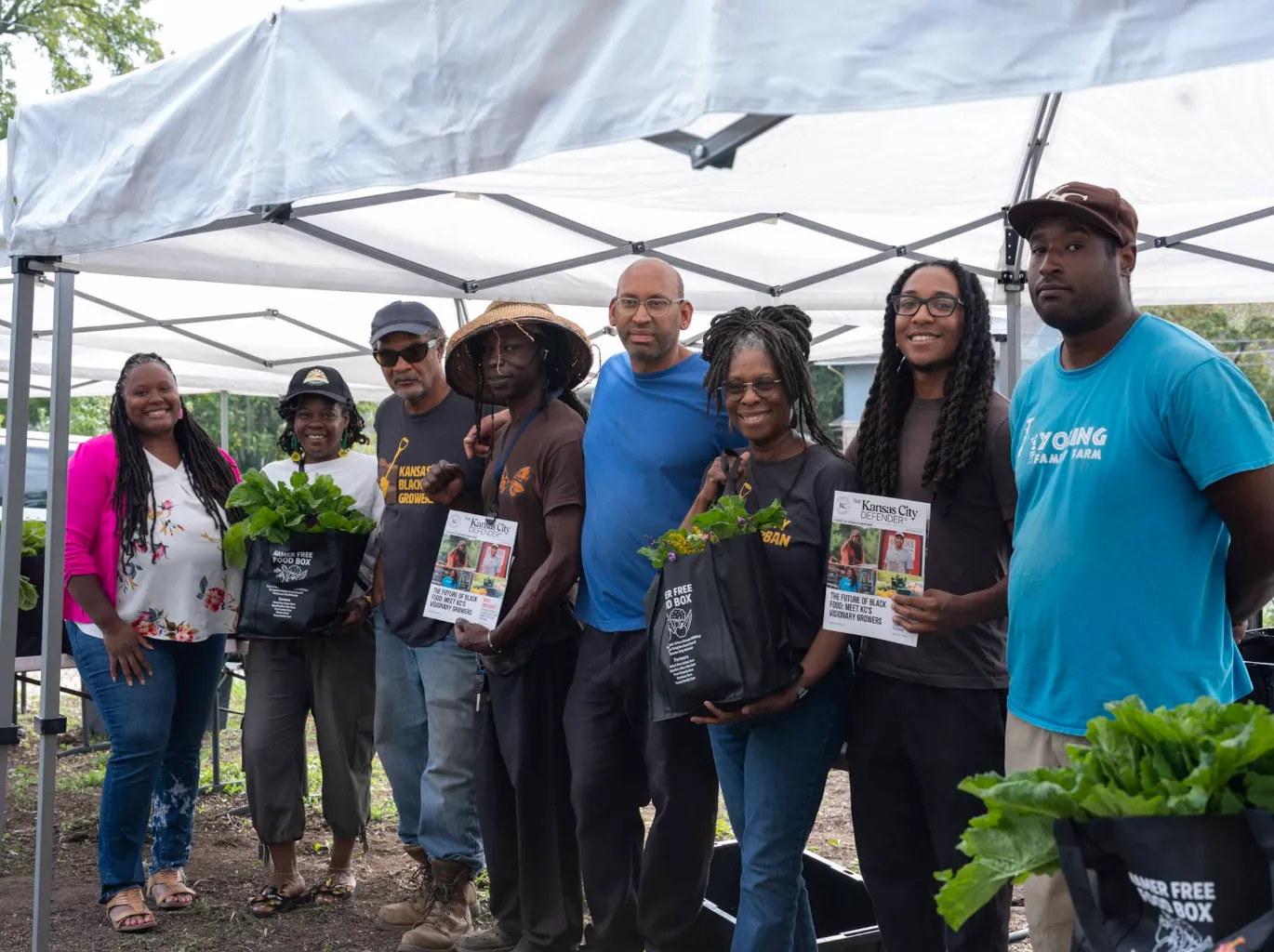
In Kansas City, The Kansas City Defender is going even further — pairing reporting with action. Months before the SNAP crisis, the outlet launched the Hamer Free Food Program, a partnership with local Black farmers and neighborhood organizations to deliver fresh food to families in areas long abandoned by grocery chains and government aid.
When federal funds froze this week, the Defender’s volunteers were already on the ground, distributing boxes filled with produce, community news, and political education materials.
“When the state abandons you, you must build your own infrastructure,” wrote Ryan Sorrell, founder of The Kansas City Defender, in his latest story on the program.
The initiative was born this summer, and launched just after the community’s last grocery store closed. “We were looking at the historical pattern of divestment in Black neighborhoods, the strangulation of SNAP benefits under right-wing administrations, the systematic dismantling of food access as a tool of social control,” Sorrell wrote. “We asked: What infrastructure do our people need to survive what’s coming?”
How This Coverage Differs — and Why It Matters
What distinguishes these stories from legacy news coverage isn’t just what they report — it’s the deeper how and why behind the reporting.
Traditional outlets often frame crises like this through the lens of policy or politics — focusing on partisan gridlock, budget negotiations, or economic forecasts. Those are important, but they rarely capture what a shutdown actually means at the neighborhood level: the pantry that runs out of milk, the mother who skips meals so her kids can eat, the networks that quietly keep people alive.
Community-rooted journalists start from those lived realities. They don’t parachute in; they’re already there — embedded in the fabric of their neighborhoods. Their stories emerge from direct relationships with the people most affected. That proximity changes not only the narrative, but also the purpose of the journalism itself: from informing about a community to informing for and with it.
This kind of coverage builds trust precisely because it centers care, accountability, and action — values often dismissed as “advocacy” in traditional frameworks but essential to sustaining democracy at the local level.
Journalism as Infrastructure
Both examples show how local, independent outlets are filling gaps left by broken systems. They’re documenting the crisis and building networks of trust and self-determination at the same time.
As the national conversation fixates on the political implications of the shutdown, community media focus on its human cost — and, more importantly, on solutions. Whether through an updated resource guide or a grassroots food delivery network, these outlets remind us that journalism itself is part of the infrastructure that holds communities together.
Because when the system falters, it’s not just nonprofits or mutual aid groups that respond first. It’s often the journalists — the ones rooted in community — who see the need coming and act before the crisis hits.