
Resources
One Great Idea: Sponsored Q&As
September 15, 2021
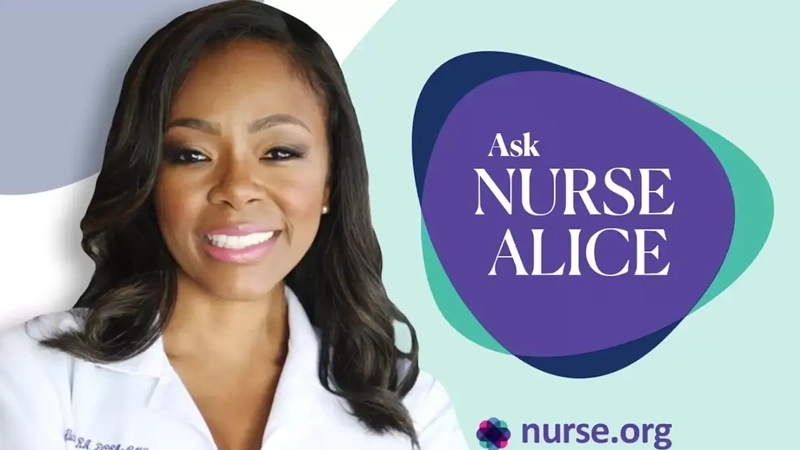
Like many, I learned about the deaths of actor Michael K. Williams and comedian Fuquan Johnson due to fentanyl-laced drug overdoses on social media. But it wasn’t until I turned on the radio and tuned into the Rickey Smiley Morning Show that I learned about the extent of fentanyl’s deadly impact on Black communities across the country. Smiley, a popular comedian and radio show host, interviewed nurse Alice Benjamin who explained that the synthetic opioid that is 50 to 100 times more potent than morphine is being manufactured by drug dealers and added to cocaine and other drugs unbeknownst to those consuming it. The dangerous trend is being seen most commonly in young Black men between the ages of 20 to 40, said Benjamin who works in a Los Angeles emergency room. Though the interview is an enlightening and important one, this isn’t a piece about fentanyl (listen to Smiley’s interview if you want to hear more on that). This blog post is about the innovative way in which Nurse Benjamin is reaching communities with critical, fact-based information and what publishers can learn from her community engagement and content strategies.
Benjamin often makes radio appearances — a recent iHeartRadio study found that Blacks trust DJs more than they trust news media while another survey found that more than 50 percent of African American adults listen to at least one hour of radio a day — where she discusses topical issues including COVID-19, the nursing shortage, vaccinations, drug epidemics, and more. She also asks listeners and her followers to submit questions, which she answers via 60-second videos. News organizations can do this too.
The Idea:
- Extend your news outlet’s digital platform (or create one) to a credible, trusted medical professional, preferably one who reflects your community. Or you just might be able to strike a deal with Nurse Alice. 😊😊
- Enter into an agreement with the medical professional to provide timely health news updates on a weekly/bi-weekly basis or as the news cycle dictates, as radio host Rickey Smiley does. 🥼⚕
- Identify potential sponsors/underwriters. MIA Media Group in Miami, Fla. did just this last year during the early onset of the coronavirus pandemic, doubling its revenue expectations. (Hospitals, public health agencies, doctors and philanthropic organizations make great potential advertising/underwriting partners.) 💰💰
- Yes, you can provide the information in text on your website or print product 😴, but it can also be a quick 60-second Instagram audio or video post. Or turn it into a podcast!📱
- Encourage audience members to submit questions to your news outlet. Don’t forget to get the members’ email addresses! ❓📧
- Keep your promise: Make sure the medical professional answers questions on a consistent basis on a variety of topics. This is relationship building 101. 😉
- In addition to Instagram, be sure to post the audio/video responses on other social media platforms as well. 🎤🎥
- It’s a win-win for all involved: The health official gets to disseminate credible information to counter the disinformation. Your audience members become better informed. And your news organization not only gets and disseminates great content, at the same time it also generates revenue. 💵 💵 💵
- The best news of all is that this strategy isn’t just relegated to health news, the approach also works for questions about real estate, cooking and more. Experiment and let us know how it works out! 🎆🎇🧨