
Analysis
Trust-Based Philanthropy: A Challenge to Give Up Power
November 21, 2022
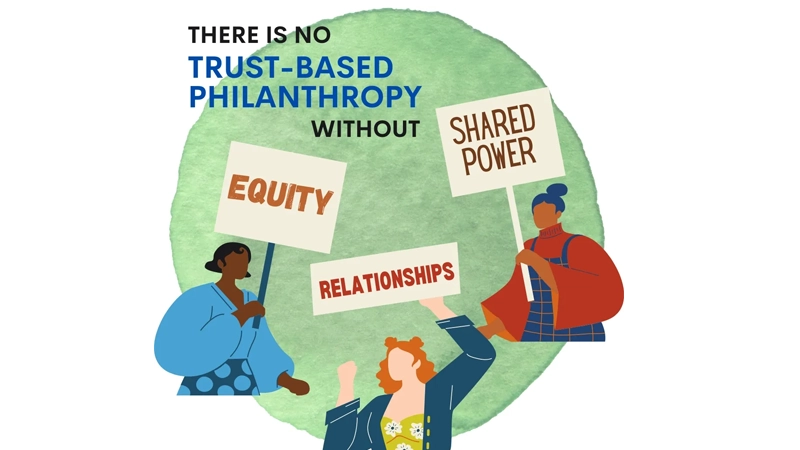
Last month, at the J-Funders 2022 gathering in Philadelphia, I reminded fellow journalism funders that we can’t achieve equity in news media without taking one important step: giving up power.
The event brought together funders who all named important challenges facing our industry like financial sustainability, strengthening democracy and civic engagement. But to tackle these issues – while keeping equity and racial justice at the forefront – we in the philanthropy world need to abandon the traditional dynamics that continue to overlook BIPOC-run media outlets and advantage the same circles of privileged people.
There’s a term for this: trust-based philanthropy. Trust-based philanthropy is about upending a traditional structure where foundations and moneyed elites decide how they want to give, and expect marginalized and underrepresented communities to jump through hoops to get the dollars.
We’ve seen how this has worked out for underrepresented groups: Grants that don’t meet organizations’ needs. Donors that give to people they already know, like and trust. And a longstanding dearth of diversity in newsrooms, while many BIPOC news consumers, especially non-English speaking audiences, live in vast news deserts.
Mackenzie Bezos drew attention to this concept when the billionaire announced she had given away more than $12 billion to nonprofits across the country. Bezos’ staff took on the responsibility of researching grantees rather than requesting applications; gave to regional, rural and BIPOC organizations often overlooked; and provided unrestricted grant money, demonstrating a trust that communities and organizations themselves know how to best spend those dollars.
These actions are ways to hand over power to underrepresented groups. But ceding power also requires the tough and humbling work of examining your organization’s culture, structures, leadership and practices – and giving those changes the time to take place.
In a 2021 conversation, Brenda Solorzano, CEO of the Montana-based Headwaters Foundation, said she spends nearly 40% of her time working on the culture of her foundation, including educating and giving her board members and staff tools to navigate conversations about race and naming the power dynamics of their work.
“If you’re not spending that much time paying attention to culture, you’re never going to create the space where you can have these kinds of conversations to do this kind of work,” Solorzano said.
If you’re new to trust-based philanthropy, check out the articles listed below. And let me know what kind of questions you have: tracie@thepivotfund.org.
Further reading
- “Building a Trust-Based Philanthropy to Shift Power Back to Communities” (Stanford Social Innovation Review)
- “What Does it Look Like to Truly Shift Power in Philanthropy? Here Are 3 Real World Examples” (Inside Philanthropy)