
Analysis
Leading Across Lines: An Asian American Guiding Indigenous News
August 5, 2025

At Underscore Native News, the community is “ultimately the boss—the guiding force.”
What does it mean to lead a newsroom deeply rooted in a community that’s not your own?
For Myers Reece, executive director of Underscore Native News, it starts with something simple but powerful: respect—for the people, the culture, and the lived experiences that shape the work. Reece, an Asian American journalist, took the helm in 2022. Since then, the Indigenous-centered newsroom has earned national recognition for its excellence—and for how it shows up.
Between 2023 and 2025, Underscore won 58 national and regional journalism awards, including top honors from the Indigenous Journalists Association and the Society of Professional Journalists. In 2025, the outlet brought home 19 awards from the Indigenous Media Awards—more than any other print or online publication in the country.

But awards don’t define the newsroom. What matters more is how it operates—with humility, collaboration, and community at the center.
“My job is to be a helpful guest in this space… and that involves using my journalism experience, what I bring as a journalist of color, and my desire to do this work in a better way,” Reece says. “If I can bring enough of those things to this role, I hope to prove to be a useful and helpful guest.”
Pivot Fund CEO Tracie Powell recently sat down with Reece for a powerful conversation on The Pivot Fund Pod, exploring what it takes to lead across cultural lines with respect, intention, and accountability.
Listening First, Leading with Humility
Reece came into this work with about 15 years of experience working as a journalist and editor in Montana, including coverage of the Blackfeet Nation and the Confederated Salish and Kootenai Tribes. Those years shaped a leadership approach grounded in empathy, awareness, and a deep respect for boundaries and relationships.
From the beginning, Reece prioritized trust—not just with staff, but with board members and the communities Underscore serves. That trust-building started with a core value of the organization: humility.
“That’s my guiding principle—understanding how much I don’t know and how much I have to learn from the community, from staff,” he said.
Trust didn’t come overnight. It came from consistency—showing up, listening, and making sure community voices lead editorial decisions.
“The vast majority of our story ideas come directly from community members,” he said.
Redefining Accountability
For Reece, being accountable to community means more than just getting the facts right. It means ensuring community members see themselves and their realities reflected in the work.
“A story can be factually correct but still be wrong if the community doesn’t see themselves in it,” Reece said.
That understanding also led to a key moment of self-reflection. Reece recalls a time when a Native journalist assumed he was Indigenous—prompting him to think more intentionally about how he shares who he is and why he’s in this role.
“That was definitely a light bulb moment because I thought I was making a good effort on that front, but it was clear that I needed to be better,” Reece said.
Transparency, it turns out, is as critical to trust as accuracy.
Growth Fueled by Community, Not Capital
Underscore’s growth—from essentially no staff to eight employees, and a leap from a modest operating budget to $1 million-plus in 2026—has been slow, deliberate, and earned.
“We didn’t start with a huge grant or a major donor underwriting everything,” Reece says. “We had to scratch and claw and build up from really small to where we are today.”
Support from The Pivot Fund played a pivotal role, helping the newsroom raise salaries, expand staff, and plan for sustainability.
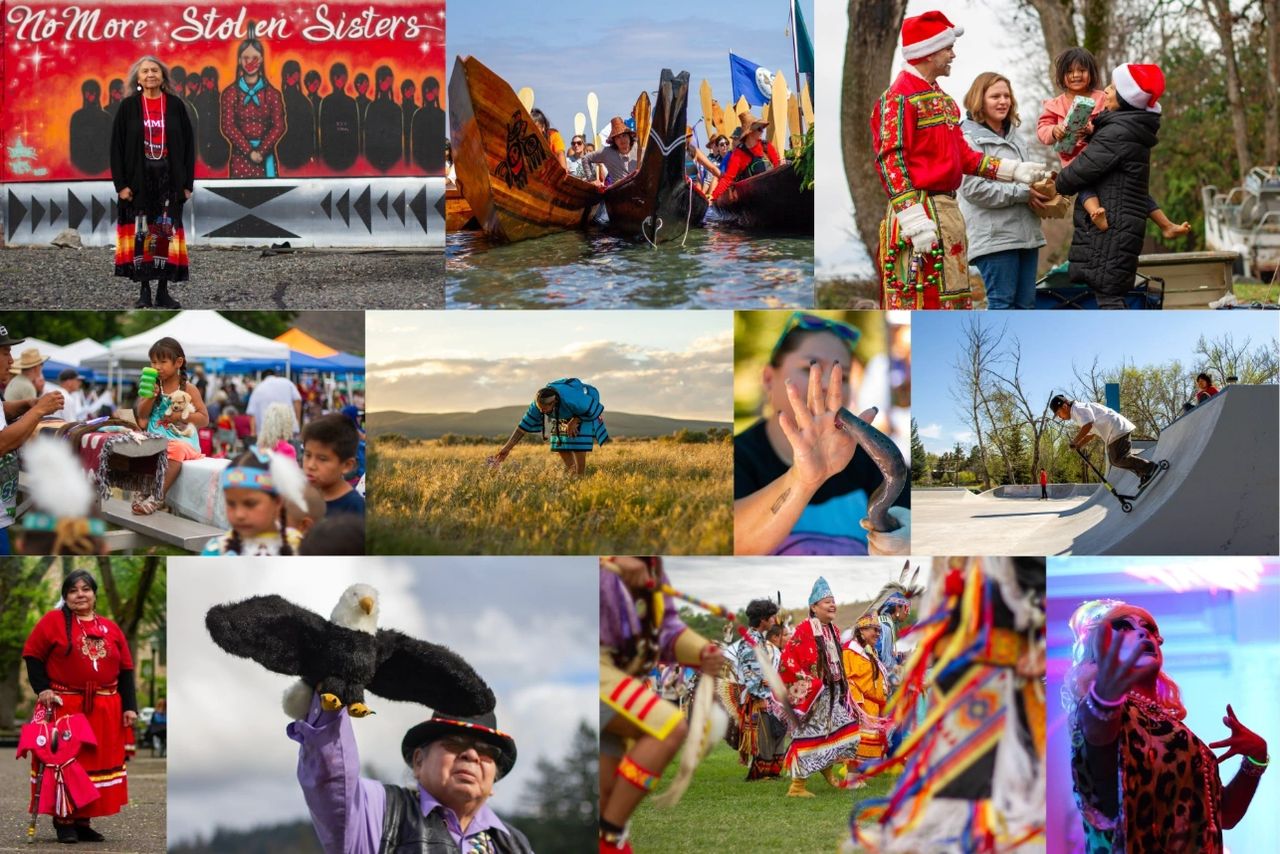
“We would not look the same today without the Pivot Fund’s support,” he said.
One of those key hires: an audience engagement manager. The role is strengthening Underscore’s presence across social media, newsletters, and video—while also creating space for Reece to step up fundraising efforts, including a recent $20,000 major donor gift.
The Limits of Philanthropy—and Who Gets Seen
Despite its clear impact, Indigenous-majority staff and board, and deep ties to community, Underscore has hit a wall with some national funders—particularly those that don’t consider the outlet “Indigenous-led.”
“It’s tough if you’re not on the ground here,” Reece said. “If you’re not hearing directly from the community, that can be limiting.”
Instead, Underscore has built durable relationships with regional and tribally focused foundations—funders who understand the local ecosystem and recognize the newsroom’s value.
“Many of them work closely with local tribes or Indigenous communities in Portland and Seattle, so they understand our impact and the role we play in the ecosystem,” he said.
Shared Power, Long-Term Vision
At Underscore, leadership isn’t concentrated at the top—it’s collective.
“The staff, both Indigenous and non-Indigenous, we all take our cues from the community,” Reece says. “It’s the community that is ultimately the boss, the guiding force.”
His role, as he sees it, is to contribute what he can, while recognizing what isn’t his to lead.
“You can do this work—and do it well—if you come in with the right heart, and if your mindset is focused on listening, learning, and collaborating.”
Reece is also clear about not confusing his identity with those of the people Underscore serves.
“One mistake traditional media has made is treating diverse communities as monoliths,” he says. “We’re working to do better.”
He knows that doing better also means stepping aside when the time is right.
“At some point, the fullest form of Underscore is Indigenous-led,” he says. “That will be a conversation we navigate together, when the time is right.”
In fact, that evolution is already underway. In 2025, the newsroom changed its name from Underscore News to Underscore Native News—a rebrand created in collaboration with staff, community members, and a Native woman-owned branding firm.
“We wanted the name and brand to reflect who we are and who we serve,” Reece says.
For Non-Native Leaders in Culturally Rooted Newsrooms
Reece offers this advice:
“Lead with humility. Come in with an open mind and an open heart. Know what you bring, but also what you don’t. And be willing to learn, every single day.”
Because at the end of the day, this work isn’t about perfection—it’s about presence.
“I’ve learned the power of long-term commitment and patiently proving yourself,” he says. “Trust is built slowly. There’s no arrival point—just ongoing growth.”
That’s what real leadership looks like: showing up, listening deeply, and staying grounded in the people you serve.